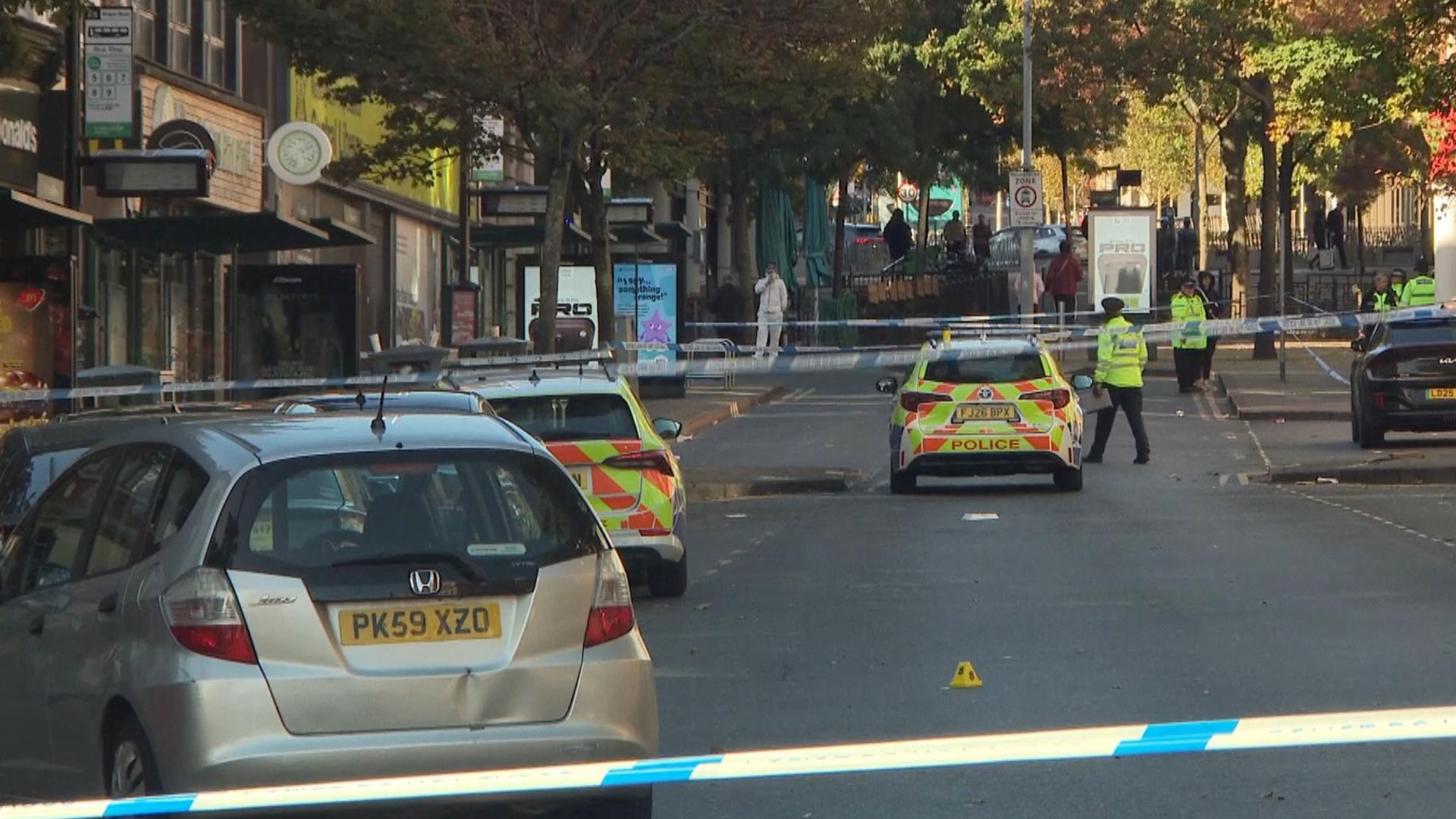
Tear gas smells like bitter almonds and wet wool before it stings your eyes.
If you have ever stood three blocks behind a police cordon in Lyon, Marseille, or along the grand boulevards of Paris as dusk settles over wet limestone, you know that sound comes first. Not a siren. Not a megaphone. A dull, rhythmic thud of boots on cobblestones, followed by the metallic clack of shields shifting into formation and the sudden, sharp pop of a canister clearing the air. A standard news headline boils all of that down to a tidy triplet: protests, looting, blazes, clashes. Photos attached. Next item.
Quiet.
That is what the camera misses when it frames a burning trash bin or a shattered storefront window. A photograph freezes a fraction of a second—usually the loudest, most dramatic fraction—and strips away the months of quiet arithmetic that brought two exhausted groups face to face across a street. It cannot show the bakery owner pulling down a metal shutter with trembling hands at 5:30 p.m., or the young riot cop whose knees ache from standing in damp boots since dawn, or the first-time marcher who came out with a cardboard sign and a sore throat only to find themselves coughing in a cloud of white smoke three streets away from their train.
Let me be honest right here: watching street unrest spiral out of control is terrifying, and it is also deeply confusing. Whenever riots erupt in France, commentators rush to declare a single culprit. Some blame agitators hijacking peaceful marches. Others blame heavy-handed policing or distant ministries in Paris that treat the rest of the country like a spreadsheet. When you stand in the middle of the noise, both explanations can feel half-right and half-blind at the same time.
To understand why demonstrations across France so often tip from grievance into fire and confrontation, we have to look past the frames of the evening broadcast and trace the pressure building underneath.
How a March Becomes a Flashpoint
Streets in France have carried political weight for centuries. Gathering in public is not treated merely as a pastime or an inconvenience; for millions of people, taking the avenue is the recognized grammar of dissent when ballots, petitions, and union negotiations feel like they are echoing down an empty hall.
Still, most demonstrations begin with ordinary people carrying ordinary anxieties. Think of a composite character—let us call her Camille, a forty-two-year-old home-care aide in a mid-sized French city whose shift starts before sunrise and ends after dark. She is not looking for a brawl. She is looking at fuel receipts, grocery bills, and a pension rule or policy shift that seems written by people who never climb five flights of stairs without an elevator. When she joins a Saturday march, she walks beside retirees, students, nurses, and local shopkeepers.
So how does a crowd that starts with Camille end with shattered glass and acrid smoke?
Rarely does a peaceful march flip a switch on its own. Usually, a fault line opens along the edges. A march routes through a commercial artery or a sensitive square. Tensions between demonstrators and security forces flare over containment tactics, arrests, or perceived provocation. Once a cordon holds too tight or retreats too fast, space opens up for smaller, faster-moving groups—some driven by raw fury, others opportunistic—who treat chaos itself as a weapon or a windfall.
A riot is rarely the birth of anger. More often, it is what happens when long-simmering frustration meets a breakdown of trust in the room—or the street—at the exact same moment.
Consider what happens next: once the first storefront goes dark or the first barricade catches fire, the story changes shape for everyone present. The peaceful marchers scatter toward metro entrances, eyes watering, lungs burning. Shopkeepers who supported the underlying cause suddenly feel abandoned by the very crowd that marched past their doors. Police units tighten their perimeter, viewing every hood and backpack as a potential projectile.
Within an hour, two different realities are colliding on the same asphalt. One side sees a system that refuses to bend until something breaks. The other sees lawlessness threatening livelihoods and public order. Neither side is imagining the danger in front of its own face.
The Invisible Stakes Behind the Headlines
When coverage focuses almost exclusively on clashes and blazes, the people paying the highest price outside the fray tend to slip out of view.
Imagine a hypothetical shopkeeper—let us name him Karim—who runs a corner hardware and household shop two blocks off a main protest route. Karim has spent fifteen years building credit with suppliers, learning the names of every regular customer on his block, and paying taxes that fund the very public services people are arguing about. On a day when unrest flares, his insurance deductible feels steep, his foot traffic evaporates, and his sleep disappears to the sound of helicopters and sirens. Even if his window stays intact, fear has a cost. Fear keeps customers home on Sunday. Fear turns a neighborhood street from a living room into a buffer zone.
Now turn the lens toward the other side of the line. Picture a hypothetical young officer—call him Lucas—assigned to crowd control far from his own home. His job is defined by containment: hold the line, protect buildings, prevent escalation, follow orders. Yet the closer he stands to flying stones or fireworks, the narrower his margin for judgment becomes. When policing feels purely reactive and impersonal, resentment hardens on both sides of the shield.
What is the real cost when a city's public spaces become synonymous with danger?
It erodes the middle ground. When every gathering is framed in advance as a probable riot, ordinary citizens stay home. Public squares lose their character as places of shared civic life and start looking like contested territory. Worse, the loudest extremes set the terms of debate while the people quietly trying to make a living or raise a family feel caught in a crossfire they never voted for.
Think of it like a pressure cooker with a stuck valve. You can keep turning up the heat and arguing about the metal, or you can look at why steam has nowhere safe to escape. Ignoring the pressure does not cool the pot. It just makes the eventual release louder.
Why Images Tell Half the Story—and Why That Matters
Photography has a strange power in moments of civil unrest. A single sharp frame of flames rising against twilight or police advancing through smoke can travel around the globe in seconds. It gives the viewer an instant visceral jolt.
Yet there is a trap built into those dramatic images. Our brains are wired to remember motion, fire, and conflict far more vividly than stillness, negotiation, or routine. When ten thousand people march peacefully for three hours and two hundred clash for twenty minutes at the end, the twenty minutes almost always win the visual spotlight.
That imbalance does not mean the clashes and looting are fake. Far from it. Property damage hurts real people; arson endangers lives; violent confrontations leave bruises and trauma that last long after the smoke clears. Facing those realities plainly is essential.
But if we treat the most explosive photograph as the whole truth, we miss the mechanics of how unrest spreads—and how it cools down. Street violence thrives on friction, isolation, and spectacle. It feeds on crowds being penned in without clear exits, on rumors spreading faster than facts, and on the feeling that nobody in power is listening until smoke rises above the rooftops.
Historical patterns across France and across modern democracies show a sobering consistency: harsh crackdowns alone rarely settle deep social grievances for good. When force is the only language spoken, anger often goes underground and resurfaces later in a sharper form. Conversely, when authorities separate peaceful assembly from violent disruption clearly, communicate transparently, and address root grievances before boiling points arrive, the air comes out of the balloon more quietly.
None of that is simple. Governing a diverse, vocal, historically charged country during periods of economic strain and political division is messy work. Anyone who claims there is an effortless trick to keeping passions calm in high-stakes moments is selling an illusion.
Still, looking closely changes how we read the next headline. Instead of asking only, How bad did it get? we can ask better questions: What triggered the spark? Who was left unprotected in the middle? Where did communication fail hours before the first flare went up?
The next time smoke curls above a familiar European avenue and a photo pops up on a screen, look past the fire for a second. Look at the shuttered windows, the tired faces, the empty benches. A city rarely catches fire by accident; usually, the warning signs were burning slowly long before anyone struck a match.