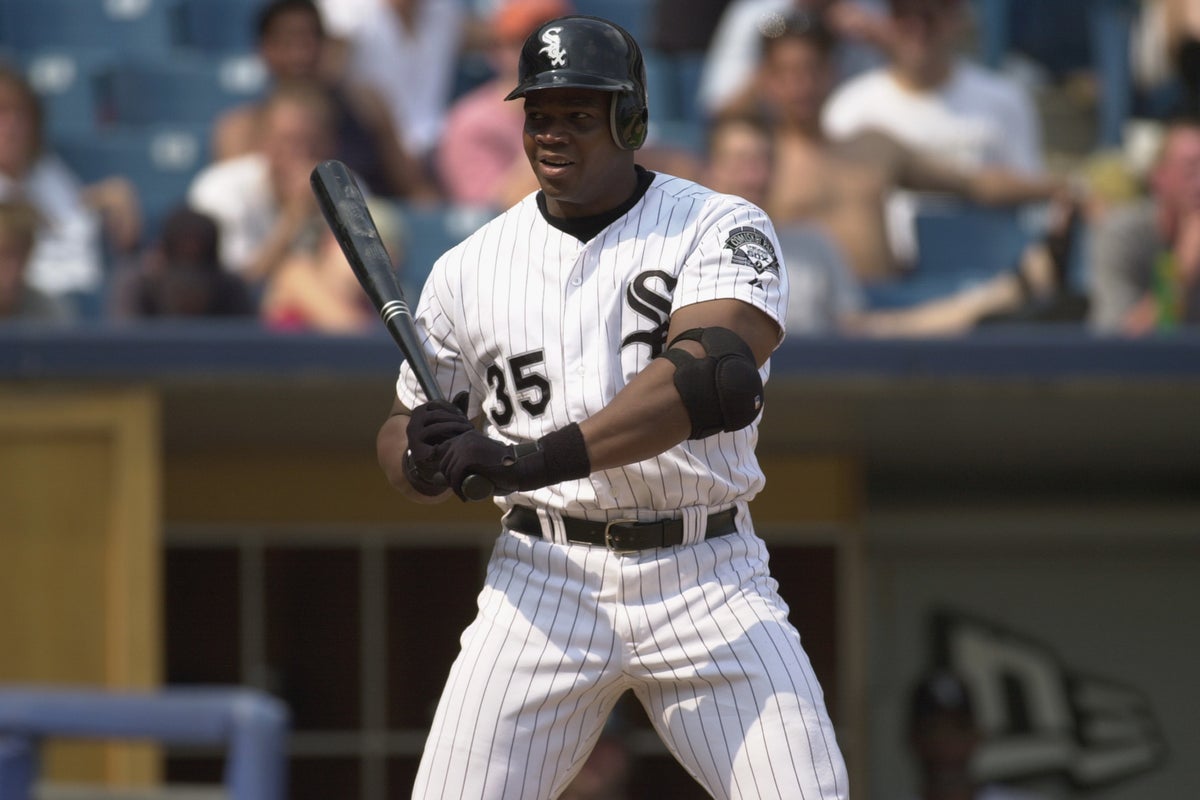
The headlines are bleeding sympathy for the "exploited" legend. A Hall of Famer sues his former club because they dared to sell a polyester shirt with his name on the back without cutting him a fresh check. The internet is in an uproar. The "greedy billionaire owners" narrative is being polished for its daily outing.
Everyone is missing the point.
This isn't a David vs. Goliath battle for intellectual property rights. This is a short-sighted suicide mission by a retired star that threatens to incinerate the very market that keeps his legacy relevant. If you think a player "owning" every pixel of their history is a win for the athletes, you don't understand how the sports memorabilia economy actually functions.
The Myth of Permanent Ownership
When a player signs a Major League Baseball contract, they aren't just selling their physical labor for nine innings. They are selling their participation in a collective enterprise. The value of a jersey isn't derived solely from the name on the back; it's derived from the logo on the front, the history of the stadium, and the league's multi-billion-dollar marketing engine.
The current legal tantrum centers on the "Right of Publicity." It’s the idea that a human being has the exclusive right to control the commercial use of their name, image, and likeness. In a vacuum, it sounds fair. In the reality of professional sports, it's a logistical nightmare that leads to one place: the total erasure of retired players from the public eye.
If every team has to renegotiate individual licensing deals for every "throwback" night, every historical montage, and every retro jersey run, they won't do it. They’ll just stop selling the gear. They will move on to the next twenty-something star who is happy to have his name in the team store.
I’ve seen this play out in the video game industry. Look at the roster gaps in historical sports titles. When a retired player demands "market value" for a pixelated avatar, the developer simply leaves them out. The result? A generation of kids grows up never knowing who that player was. The player "protected" their rights straight into irrelevance.
Why the "Permission" Argument is Flawed
The "lazy consensus" says: It’s his name, he should get paid whenever it’s used.
Wrong. The player was already paid.
The compensation packages for elite athletes are front-loaded specifically because the team is buying the long-term right to celebrate—and monetize—that player's era. When a team builds a statue, sells a "1980s Night" ticket package, or stocks a Mitchell & Ness replica, they are maintaining the brand of the franchise.
The player benefits from this maintenance. A Hall of Famer’s autograph price stays high because the team keeps his name in the rafters and his jersey in the gift shop. If the team is forced to pay a royalty on every stitch of a retro jersey, the ROI (Return on Investment) for "honoring" that player collapses.
Let’s look at the math. A standard licensing royalty for apparel might sit between $10%$ and $15%$. On a jersey that retails for $150, the "take" for the player after the league, the union, and the manufacturer get their cut is often negligible. Yet, the legal liability of managing those individual contracts is massive.
The Counter-Intuitive Truth: Friction is the Enemy
If you want to maximize the value of a retired athlete, you need zero friction.
The moment a player introduces a lawyer into the relationship with their former team, they become a liability. Teams have long memories. They have archives full of footage and warehouses full of merchandise. The "safe" move for a corporate front office isn't to pay the demanding retiree; it's to pivot to someone else.
There is a reason you see some legends everywhere and others nowhere. It isn't always about talent. It’s about who is easy to work with. By suing over jersey sales, this player is signaling to every team in the league that his "legacy" comes with a side of litigation.
Imagine a scenario where every time a broadcaster showed a highlight of a 1970s home run, they had to verify a micro-license for the player’s "likeness" in that specific jersey. The networks would simply stop showing the highlights. The history of the game would be bleached white.
The Collective Bargaining Trap
The real culprit here isn't the team; it's the failure of the players' unions to secure evergreen licensing structures. But the players don't want to hear that. They want the lump sum now.
Most fans don't realize that "Individual Rights" are often the enemy of "Collective Value." When a superstar breaks ranks to sue for a bigger piece of the pie, they weaken the collective licensing power of the other $700$ players in the league. They create a fragmented market where only the top $1%$ of retired stars can afford the legal fees to "protect" their image, while the "average" retired player gets forgotten because the team is too afraid of a lawsuit to use their likeness.
Stop Treating Legacies Like Patents
A baseball career isn't a pharmaceutical patent. You don't get twenty years of exclusivity followed by a generic rollout. A sports legacy is a living, breathing social contract.
By treating his name and number as a static asset to be guarded by a legal team, this Hall of Famer is effectively retiring his brand for the second time. He’s telling the fans that his connection to the city and the jersey was always just a transaction—and the meter is still running.
The suit might win him a settlement in the short term. He might get a check for a few hundred thousand dollars. But he’s losing the millions in long-term brand equity that come from being a "team icon" who is welcomed back for every anniversary, every ceremony, and every merchandise drop.
If you are a retired athlete, your greatest asset isn't your "Right of Publicity." It’s your visibility. The second you make it expensive for people to see you, you start to disappear.
Go ahead and cheer for the lawsuit if you want to see the "big guys" lose. Just don't be surprised when your favorite team's store is filled with nothing but current-roster nobodies because the legends priced themselves out of their own history.
Stop suing your own shadow.
Would you like me to analyze the specific language in standard MLB player contracts to show exactly where these "perpetual rights" usually get signed away?