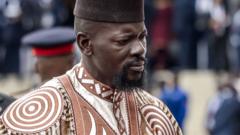
Power changes fast in Conakry. President Mamadi Doumbouya just cut 173 members from Guinea's armed forces, citing desertion.
If you think this is just standard military housekeeping, you're missing the bigger picture. Buried inside that presidential decree read on state television is a much more intense political story. The purge targets active-duty personnel across various branches, but one specific name stands out above the rest: Colonel Michel Lamah.
Lamah isn't a random runaway recruit. Back in September 2021, he was part of the elite Special Forces group that stormed the presidential palace. He helped overthrow then-President Alpha Condé, even appearing in iconic photographs escorting the deposed leader. When you turn former comrades into political threats, loyalty starts looking very fragile.
The Anatomy of a Military Fallout
Why drop a former ally now? Authoritarian consolidation rarely happens overnight. Doumbouya led the 2021 military takeover and initially promised a swift return to civilian rule. Instead, he won a presidential election, and opposition groups have consistently raised alarms about shrinking civic freedoms, silenced media outlets, and blocked protests.
When a military leader transitions into an elected head of state, keeping the original inner circle intact becomes a massive liability. Colonel Lamah's trajectory tells that exact story. After the 2021 coup, Lamah slipped out of the public eye for long stretches, sparking persistent rumors of secret detentions or internal purges. He briefly resurfaced next to Doumbouya during a New Year's Eve appearance, signaling a temporary reconciliation.
That alliance didn't last. By labeling high-profile figures as deserters, governments can sidestep messy treason trials or public tribunals. A desertion charge is clean, bureaucratic, and absolute. It strips away rank instantly.
What 173 Dismissals Mean for West African Stability
Guinea isn't operating in a vacuum. The broader West African region has seen a wave of military takeovers over the last few years, from Mali to Burkina Faso. When soldiers realize they can depose a government, they also realize the reverse is true.
Presidential guards and special forces units hold the real keys to the kingdom. Because Doumbouya himself rose through the elite special forces ranks, he knows precisely how quickly a loyal unit can turn into a coup plot. Purging 173 soldiers—spanning regular troops, gendarmerie units, and special operations elements—sends a chilling message to anyone else thinking about stepping out of line.
Critics will call it authoritarian overreach. Supporters will call it state discipline. Realistically, it's survival politics.
If you are tracking political risk in mining-rich West Africa, keep your eyes on how security structures shift from here. Strongmen don't fall because of foreign pressure; they fall because they lose control of the barracks. Doumbouya is tightening the screws before anyone else gets ideas.
Take a close look at how military regimes handle internal dissent. When former heroes become targets, nobody's position is secure.
Guinea: 173 soldiers dismissed for desertion
This short video clip provides a quick overview of the official decree broadcast on national television regarding the dismissal of the 173 soldiers in Guinea.
http://googleusercontent.com/youtube_content/1


