The brochures arrived on thick, cream-colored paper that smelled faintly of expensive ink and manufactured virtue. Inside, they promised a better earth. They showed rolling hills of emerald green, neat rows of saplings drinking in the rain, and quiet forests breathing life back into a choking atmosphere. For seventy million pounds, investors bought more than a tax break; they bought absolution.
They bought the feeling of doing good while getting rich.
Earth is fragile. We feel it in the smoke of distant wildfires and the strange, unseasonal warmth of winter mornings. Greed has always adapted to our anxieties. When we started worrying about the planet, the swindlers did not change their playbook. They simply traded their pinstripe suits for earthy tones, swapped oil wells for oak trees, and waited for the checks to clear.
Consider the mathematics of a ghost forest.
On paper, a tree-planting scheme is a simple equation of soil, sun, and time. Money goes into the dirt. Roots catch hold. Carbon dioxide vanishes. But in this particular scheme, the only thing growing deep was a network of deception. The trees existed mostly in spreadsheets and glossy promotional videos filmed with drone cameras sweeping over genuine woodlands in distant countries, lending false gravity to a fiction.
Let us look at how the money actually moved. (This next part is a factual breakdown of the court records, translated from the dry language of indictments into the reality of what happened.) Millions did not go toward spades, fertilizer, or land acquisition. Instead, the funds took a very different journey through offshore accounts, landing squarely in the lap of luxury.
There were supercars—low-slung, roaring beasts of Italian engineering that hugged the pavement and screamed excess. There was a yacht, gleaming white against the blue Mediterranean, bobbing quietly in an exclusive harbor while the people who paid for it sat in suburban offices believing they were saving the rainforest.
People want to believe in redemption so badly that they stop asking questions.
That is the psychological engine of financial crime. The fraudsters did not rely on complex algorithms or incomprehensible derivatives. They relied on human vanity and the quiet, persistent guilt of modern prosperity. We live in a world of consumption, and we carry a low-grade fever of regret about it. The perpetrators understood this better than anyone. They offered a moral transaction. Give us your cash, they whispered, and we will turn it into oxygen.
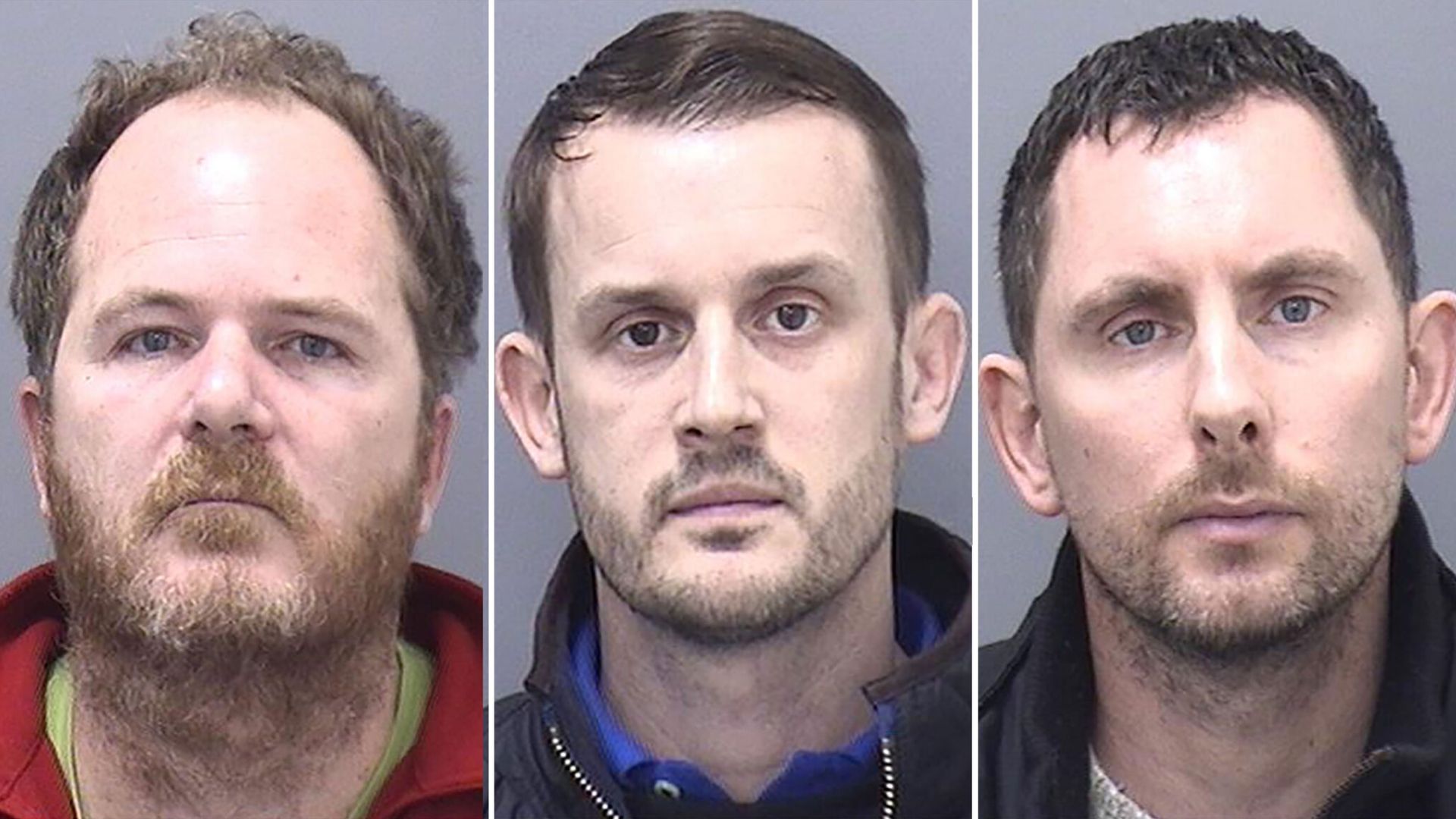
When the investigation finally cracked open, the scale of the fraud shocked even seasoned investigators. Seventy million pounds extracted from trusting individuals, corporations, and funds desperate to green their portfolios. Courtrooms are sterile places, far removed from the sensory reality of the crime. Judges speak in measured tones. Lawyers shuffle papers. Yet behind the statutory language of fraud and money laundering lies a profound betrayal of trust—not just between individuals, but between humanity and the very idea of a sustainable future.
The ringleaders received long prison sentences. The supercars were seized. The yacht was put up for auction, stripped of its glamorous aura and reduced to an asset recovery line item.
Justice arrived, as it often does, with a heavy and unhurried step. But prison sentences do not replant the lost time, nor do they restore the money stolen from legitimate environmental causes. Every pound diverted into a luxury vehicle was a pound stolen from actual ecological restoration. Every headline about green scams makes the next person with a genuine, earth-healing project fight twice as hard to be heard over the noise of cynicism.
We are left in a strange cultural moment.
The impulse to protect the planet is the most urgent calling of our time. Yet that same impulse has been weaponized into a marketing vertical. When virtue becomes a commodity, fraudsters will always find a way to counterfeit the currency.
The next time a prospectus crosses your desk, promising high yields and a healed planet wrapped in a neat, tax-efficient package, remember the yacht in the Mediterranean. Remember the roar of the engines bought with phantom forests. Look past the gloss. Demand the coordinates, the soil samples, the audited roots.
The earth does not need another marketing campaign. It needs dirt under our fingernails, sunlight on real leaves, and a vigilance that refuses to let our best intentions be sold to the highest bidder.