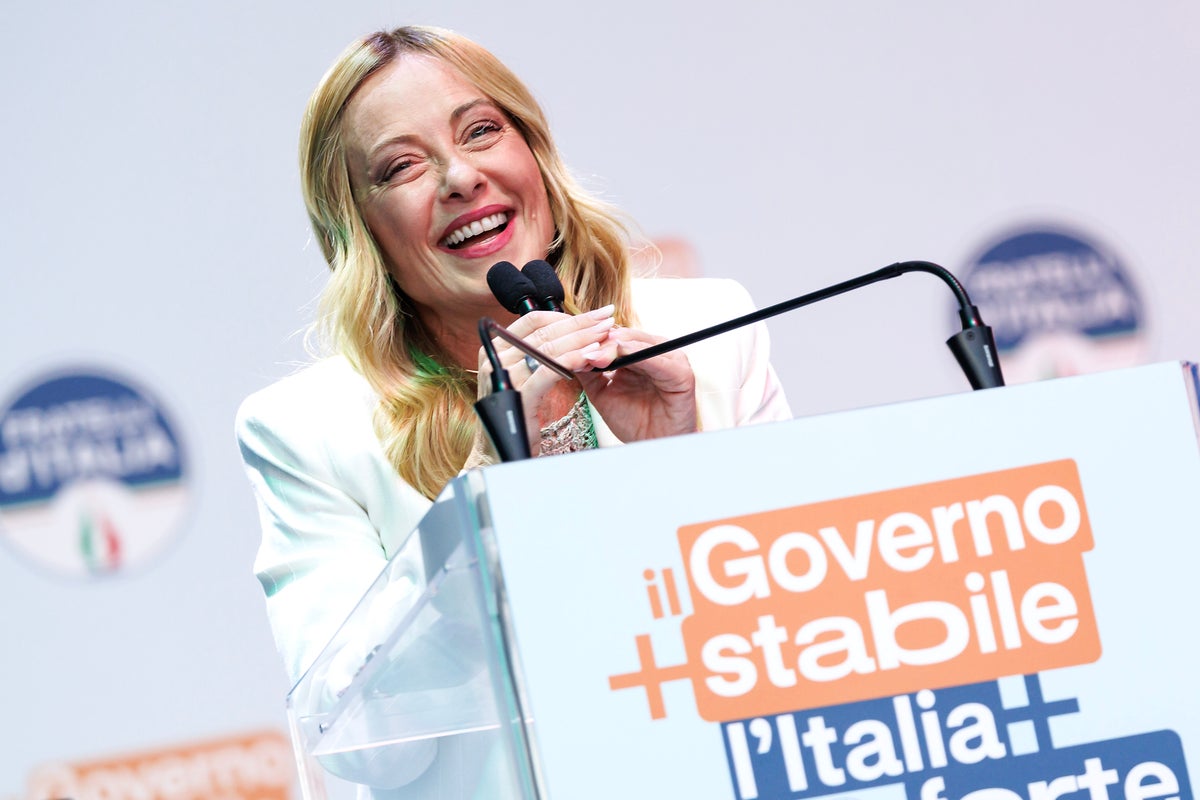
Surviving in Italian politics usually means lasting a few months before a coalition explodes. Giorgia Meloni just shattered that rule. Hitting 1,413 days in power, her right-wing administration officially became the longest-serving uninterrupted government in Italy since the Second World War. She skipped the quiet diplomatic receptions to celebrate this milestone. Instead, she took over the southern port city of Bari with a massive, high-energy party rally complete with lights and DJs to kick off her long march toward the 2027 parliamentary elections.
You might wonder how a populist leader from a historically volatile nation pulled off four years of unbroken stability. While neighbors like France and the United Kingdom burned through prime ministers and plunged into administrative chaos, Meloni kept her three-party coalition tightly wrapped together. She surpassed the previous post-war record set by Silvio Berlusconi’s second government in the early 2000s. Stability has become her primary talking point. She argues that staying power gives a nation the breathing room to plan, budget, and command respect internationally.
The Reality Behind the Record
Critics aren't buying the hype, and honestly, they have a point. Opposition figures from the Democratic Party and trade unions argue that sheer survival isn't the same as actual achievement. They point out that surviving this long happened precisely because her administration avoided risky structural reforms that might upset powerful domestic lobbies. If you don't rock the boat, nobody tries to tip it over.
Data from the government highlights positive metrics, including climbing employment figures and a shrinking national deficit alongside a tighter bond spread with Germany. Yet everyday Italians walking into supermarkets or paying gas bills feel a completely different reality. Inflation pressures, high fuel taxes, and struggling public healthcare systems leave ordinary citizens wondering if political stability actually puts food on the table.
How Meloni Changed Her International Image
When Meloni took office, international markets panicked. Financial analysts worried that a fiery nationalist with roots in post-fascist movements would blow up relations with the European Union and send Italy's borrowing costs soaring. That panic turned out to be completely overblown.
She surprised Brussels by maintaining strict fiscal discipline, keeping strong financial support for Ukraine, and working pragmatically with European institutions. Even her relationships across the Atlantic evolved into practical assets. Economic experts at institutions like Rome's LUISS University note that Italy successfully shed its old reputation as the financial black sheep of Europe. She traded abrasive campaign rhetoric for institutional predictability, which soothingly massaged the anxieties of foreign investors.
The Domestic Disconnect
Foreign approval doesn't always win local votes. Back home in Italy, the political pressure is heating up as the 2027 horizon approaches. Opposition leaders argue that the administration spends too much legislative bandwidth on security bills and tough criminal penalties rather than fixing low productivity and stagnant wages.
A failed national referendum on judicial reform proved that voters are willing to push back when given a direct option. Meanwhile, frustration over public services risks bleeding votes away toward even more radical nationalist figures. Meloni admitted herself during her Bari address that governance sometimes felt like swimming through glue.
If you look at the broader European landscape, her real talent has been exploiting the complete weakness and division of her political rivals. Center-left opponents spend more time fighting among themselves than presenting a united alternative. As Meloni eyes the remaining months of her term, the ultimate test won't be whether she can keep her coalition from fighting. It will be whether she can convince skeptical voters that four years of standing still was actually worth it.
Watch how the economic numbers translate at local polling stations over the coming months. The era of easy political survival is officially over.