The wind does not care about diplomacy. It sweeps off the frozen expanse of the South Atlantic, battering corrugated iron roofs and whipping the icy spray against the stark cliffs of Stanley. To anyone who has stood on the Falkland Islands, the isolation is absolute. You feel the immense weight of the ocean, thousands of miles away from any major capital, yet inextricably bound to a small island nation half a world away.
History here is not written in dusty books. It is etched into the landscape, visible in rusted remnants, memorial plaques, and the quiet vigilance of a community that simply wants to live its life in peace.
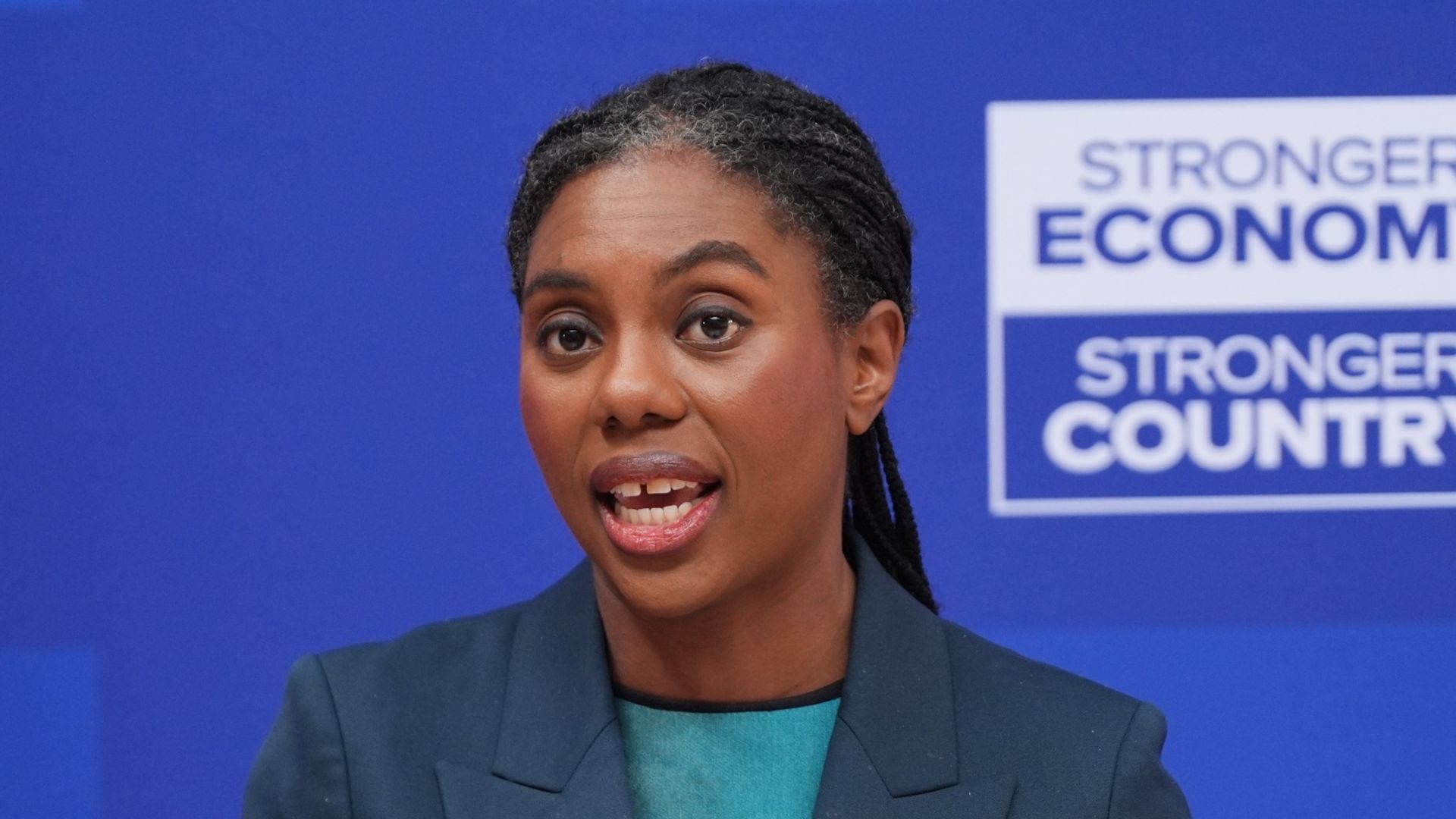
Recently, the political machinery thousands of miles away in London turned its gears toward these windswept rocks once more. Kemi Badenoch stepped into the political crossfire, offering a blunt assessment that reverberated across continents. Argentina, she declared, is showing itself to be a weak country because of its persistent threats over the Falkland Islands.
Strong words. But beneath the sharp rhetoric of Westminster lies a deeper, more enduring human drama about identity, sovereignty, and the psychological weight of historical ghosts.
Consider what happens when a government chooses to rattle sabres over territory it lost generations ago. To leaders in Buenos Aires, the Malvinas remain an open wound, a powerful nationalist symbol used to redirect public frustration away from domestic economic turmoil, soaring inflation, and political discontent. It is an old playbook. Whenever the currency falters and the streets grow restless, invoke the islands. Wrap the failure of the present in the patriotic nostalgia of the past.
Yet, this posturing has a human cost.
Imagine living in a house where someone outside bangs on your front door every few months, shouting that the deed to your home is invalid, even though you have lived there, built your life there, and tended the soil for decades. That is the daily reality for the Falkland Islanders. They are not geopolitical pawns on a chessboard. They are farmers, teachers, fishermen, and families whose right to self-determination is constantly treated as a negotiable abstraction by foreign politicians looking for an easy headline.
Badenoch’s intervention cuts right to the heart of this dynamic. By labeling the aggressive posturing as a sign of weakness rather than strength, she flips the conventional geopolitical script. True power, the argument goes, does not need to bully small, self-governing communities of people who have repeatedly and overwhelmingly voted to remain British. Weakness looks outward, manufacturing external enemies to mask internal decay. Strength, conversely, stays quiet, holds its ground, and honors the democratic choices of its citizens.
To understand why this matters, we must look past the sterile transcripts of parliamentary debate.
Geopolitics is often taught as a cold science of maps, treaties, and military budgets. But at its core, it is an emotional enterprise. It is driven by pride, fear, memory, and ambition. When an Argentine administration escalates rhetoric regarding the South Atlantic, it triggers defensive reflexes in London and anxiety in the islands. It forces a small population to wonder if their security, their livelihoods, and their children's futures will once again become bargaining chips in a distant diplomatic game.
The tragedy of modern Argentine statecraft is that it continues to look backward instead of forward. A nation blessed with extraordinary natural resources, brilliant people, and immense cultural richness remains tethered to an obsession with a windswept archipelago eight hundred miles off its coast. Every peso spent on military posturing or diplomatic harassment of a tiny island community is a peso stolen from hospitals, schools, and economic modernization at home.
That is the true definition of weakness. It is the inability to break free from the gravity of a lost war. It is the political cowardice that prevents leaders from telling their citizens the truth: that the future belongs to those who build prosperity, not those who chase ghosts.
Meanwhile, the sheep graze on the tussock grass. The tides roll in against the kelp-strewn beaches. The people of the Falklands wake up, turn on their heaters, and go about their days, largely immune to the shifting political winds of Westminster, yet forever shaped by them.
When politicians argue over whether a government is strong or weak based on its foreign threats, they are engaging in more than a mere war of words. They are drawing a line in the sand. They are signaling to the world that democratic mandates cannot be casually overwritten by historical grievance.
The wind continues to howl across the South Atlantic, indifferent to parliaments, press releases, and prime ministers. But the message delivered from London lingers in the cold air, a sharp reminder that nations measured by their hostility toward others have already lost the measure of themselves.