The ink on the subpoena had barely dried, yet the coffee in the plastic cup was already cold.
Imagine sitting across from a committee room where the questions are not designed to uncover truth, but to map the boundaries of permissible thought. History has a cruel habit of dusting off old playbooks. It changes the names on the covers, swaps out the technology, and hands the exact same microphone to a new generation of inquisitors. In other developments, take a look at: Pennies on the Dollar The Boy Scouts Abuse Settlement Crisis.
We have been here before.
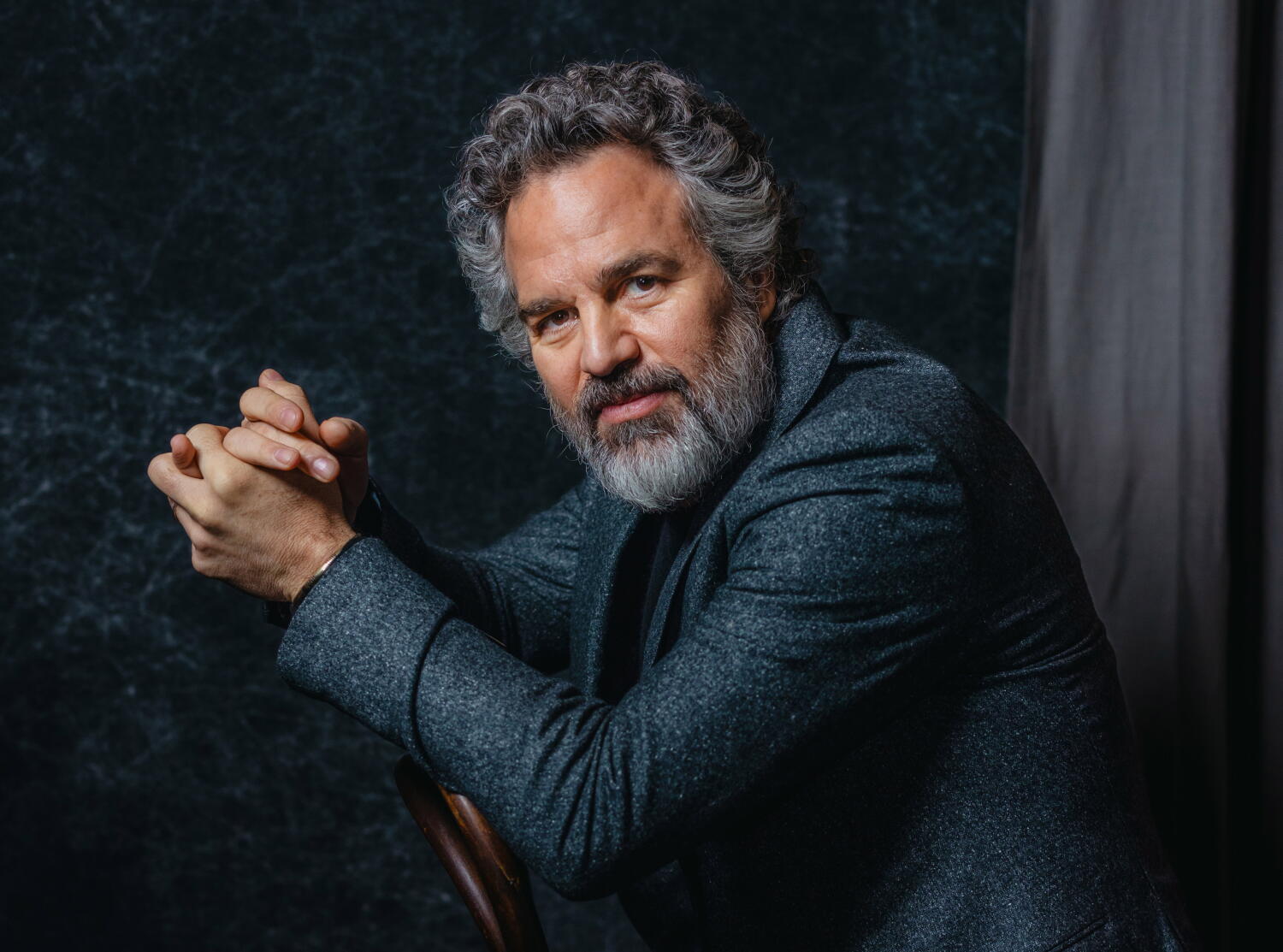
Decades ago, the political theater of the mid-twentieth century turned suspicion into an art form. Careers were sliced open by casual accusations, and public figures found themselves forced to perform ideological purity tests for crowds baying for blood. Today, that shadow has lengthened. When public figures like Mark Ruffalo face intense, coordinated allegations of antisemitism over their political activism and outspoken criticism of Israeli government policies, the machinery feels horribly familiar. It is a modern revival of the political blacklist, draped in the righteous language of digital-age accountability. NPR has also covered this important issue in extensive detail.
To understand why this matters, we have to look past the scrolling feeds and the viral outrage. We have to look at what happens to the quiet middle.
Consider a hypothetical artist, someone whose name never makes the evening news. They spend their days painting canvases or writing screenplays, deeply concerned with human rights, civilian casualties, and the architecture of modern conflict. They watch as a prominent voice in their industry—someone with a massive platform and a history of environmental and social advocacy—takes a stand. That voice speaks out. Within hours, the digital machinery whirs to life.
The strategy is precise. It does not engage with the substance of the critique. Instead, it rebrands the critic.
Nuance is stripped away with surgical efficiency. A complex debate about foreign policy, nationalism, and human rights is flattened into a simple binary: you are either entirely with us, or you are an existential threat. When critics label political dissent against a state’s military actions as intrinsic bigotry, they accomplish two things at once. They shut down the conversation, and they ruin the speaker.
This is where the ghost of the McCarthy era reanimates.
During the House Un-American Activities Committee hearings, the goal was rarely about investigating actual subversion. It was about creating a climate of fear so pervasive that ordinary citizens would police themselves. If a titan of cinema or a household-name actor can be hauled before the court of public opinion and accused of harboring dark animus simply for expressing solidarity with displaced populations, what hope does the anonymous high school teacher or the local activist have?
Fear is an effective governor.
The accusations lobbed at Ruffalo and other public figures often conflate fierce opposition to specific geopolitical policies with hatred of an entire ethnoreligious group. This is not a casual error. It is a deliberate rhetorical weapon. By blurring the line between anti-Zionism or harsh criticism of a government and actual antisemitism, accusers raise the emotional stakes to a fever pitch.
Let us be entirely clear about the danger here. Real antisemitism exists. It is a violent, ancient, and persistent hatred that claims lives, desecrates holy sites, and infests societies with poison. It demands vigilance, education, and unyielding resistance.
Yet, when accusations of this ancient hatred are weaponized to silence routine political debate, something tragic happens. The term loses its weight. It becomes a blunt instrument for political compliance rather than a shield for a vulnerable minority. Real victims of prejudice find their safety diluted in a sea of manufactured outrage.
We are watching a dangerous narrowing of the public square.
The logic of the blacklist relies on collective exhaustion. Most people want to pay their rent, raise their children, and watch a movie on a Friday night. They do not want to become collateral damage in a culture war. When they see a famous actor dragged through the mud for taking a stand on a foreign conflict, they learn the lesson instantly. Keep your head down. Say nothing. Silence is safe.
Silence feels safe, but it is a luxury built on borrowed time.
When public debate is constrained by the threat of professional ruin, the quality of our collective decisions degrades. Democracy requires friction. It requires the uncomfortable, messy collision of differing viewpoints, historical traumas, and competing moral claims. When we replace that friction with ideological litmus tests, we are no longer building a society based on justice. We are building a compliance machine.
Look closely at the mechanics of the current wave of accusations. They follow a predictable script. A prominent figure speaks out on an international crisis. Outrage surges across social media platforms within a synchronized window. Pressure mounts on studios, employers, and public institutions to sever ties. The subtext is always the same: recant, apologize, or disappear.
This is not dialogue. It is an excommunication.
We must demand more of our public discourse. We must possess the intellectual maturity to hold two difficult truths in our minds at the exact same moment. We can—and must—condemn real bigotry and protect communities from genuine hatred, while fiercely defending the right of individuals, famous or unknown, to criticize state power, military strategies, and foreign governments without facing career destruction.
The alternative is a wasteland of our own making. A place where everyone whispers, where history is reduced to a series of approved talking points, and where the courage to speak for the vulnerable is punished as a crime.
The searchlight sweeps across the dark room once again, looking for the next shadow to illuminate. The only question left is whether we will step into its glare, or whether we will finally find the courage to turn it off.