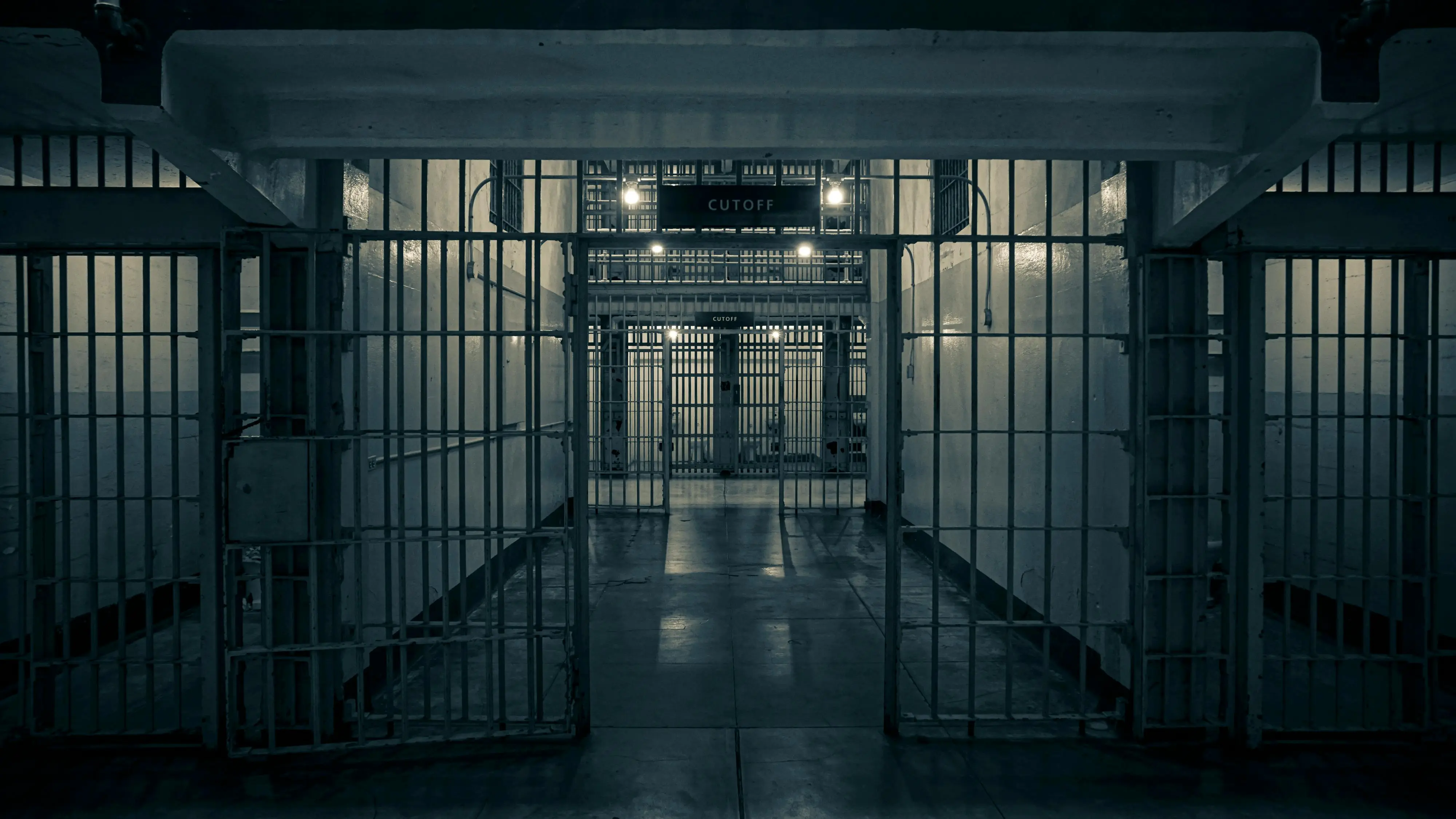
The air in a subterranean bunker does not move. It smells of damp concrete, old paper, and the sharp, metallic tang of fear that lingers long after the bodies have been cleared away. Imagine, if you will, a ledger opened in the dark. In its pages are columns of dates, coordinates, and chemical formulas that translate human breath into a choking spasm. For years, those pages remained locked behind the iron doors of official denial.
A shadow fell over the map.
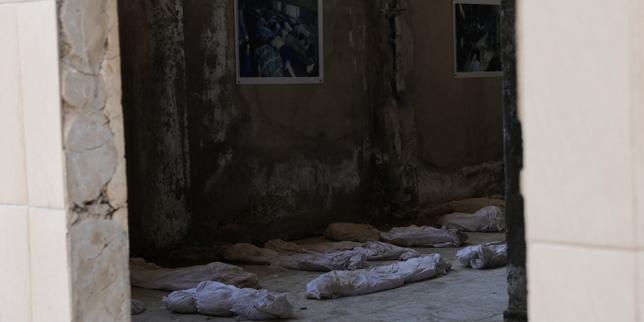
Silence became the official language of governance. When invisible vapors drifted through residential cellars, turning ordinary morning routines into asphyxiating nightmares, the machinery of state power did something far worse than destroy lives. It erased the memory of how they were taken. Names were struck from registries. Medical anomalies were diagnosed as routine ailments. The world watched through screens, safe and distant, while history was systematically rewritten by those holding the canisters.
Justice moves slowly, weighed down by treaties and diplomatic protocol. Yet truth has a stubborn habit of leaking through the cracks.
Consider what happens next: the architects of an atrocity discover that time does not wash away chemical residue. The Organization for Investigation and Identification units sift through shattered fragments of cylinders, matching serial numbers to military supply chains. They listen to the fractured testimonies of survivors whose lungs still burn with every syllable. Slowly, meticulously, an architecture of accountability rises from the ash.
A profound shift occurs when the perpetrator attempts to rejoin the very club formed to punish them.
The recent move by Syrian authorities to cooperate with international chemical watchdogs and seek alignment with the International Partnership Against the Impunity of the Use of Chemical Weapons represents a staggering reversal. It is not merely a diplomatic handshake. It is an admission written in the language of survival. For a nation long synonymous with airborne toxins dropped on its own neighborhoods, knocking on the door of the coalition built specifically to track down war criminals feels like a ghost walking into its own trial.
We must ask what this inclusion actually means. Does a signature on a document wipe clean the slate of underground laboratories and silent mass graves? Of course not. Accountability is not a transactional discount handed out in exchange for compliance. Instead, it serves as a baseline. It marks the moment the state stops hiding behind its own gaseous smoke and agrees, under the harsh lights of global scrutiny, to acknowledge the unpayable debt owed to the dead.
The archived ledgers are finally seeing the light of day. The names are returning to the page. And somewhere in the quiet spaces left behind, the victims are no longer entirely alone.
Partenariat international contre l’impunité d’utilisation d’armes chimiques (st en)
This video provides an overview of the founding principles and collaborative framework behind the international partnership addressing chemical warfare impunity.