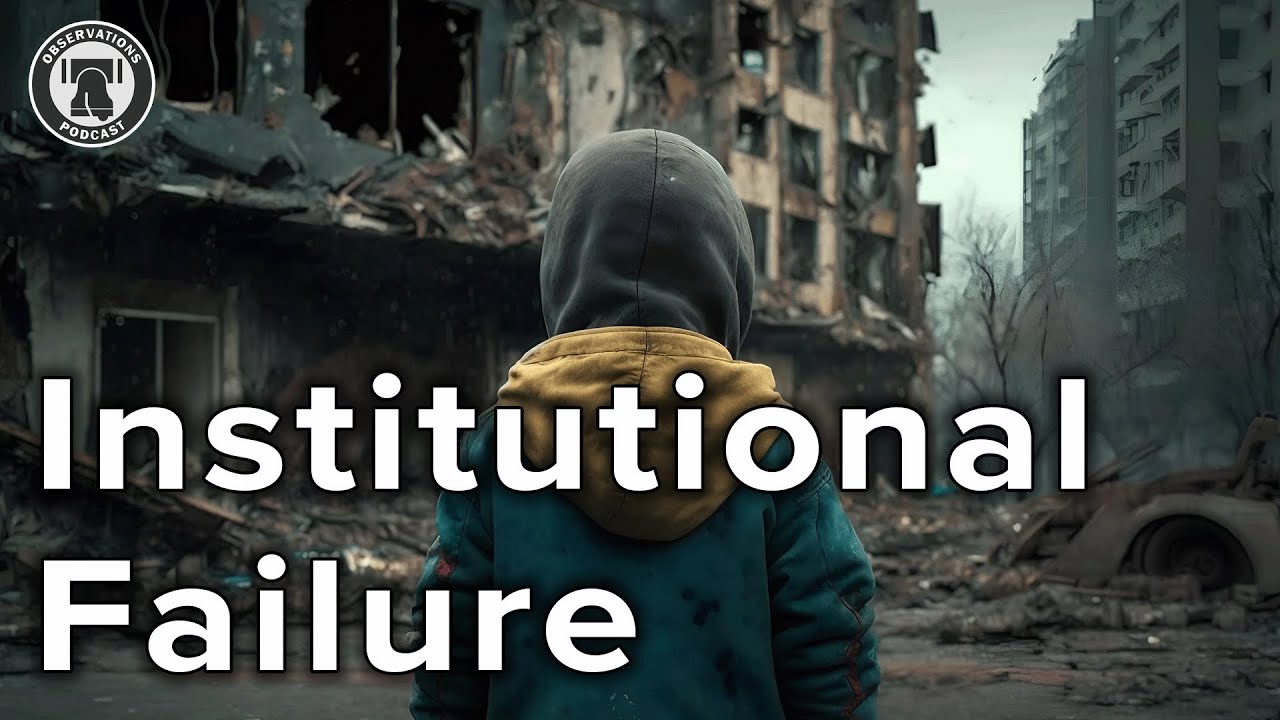
Germany was supposed to be back on its feet by now. That's what the forecasts said. That's what the government in Berlin hoped. Instead, the "sick man of Europe" label is sticking, and it's getting harder to ignore the structural rot underneath the surface. If you're looking for a quick rebound in the Eurozone's largest economy, you're going to be disappointed. The data is grim, the sentiment is worse, and the solutions are trapped in political gridlock.
I've watched these cycles for years. Usually, Germany sneezes, and Europe catches a cold. This time, Germany has a chronic fever, and the medicine isn't working.
The recent numbers from the Ifo Institute and the Bundesbank show a persistent contraction. We aren't just talking about a bad quarter. We're looking at a fundamental shift in how Germany operates on the world stage. The industrial engine that powered the continent for decades is stalling. It’s not just a "soft patch." It’s a crisis of identity.
The Myth of the Temporary Slump
Many analysts keep waiting for a "technical recovery." They think that because inflation is cooling, consumers will suddenly start spending again. That’s a mistake. While the European Central Bank (ECB) might cut rates, the damage to Germany’s industrial core goes deeper than interest rates.
German industry relies on cheap energy. It used to come from Russia. That's gone. Replacing it with LNG and renewable transitions is expensive and slow. BASF, the chemical giant, is already shifting investment to China. Volkswagen is talking about closing plants in Germany for the first time in its history. These aren't temporary adjustments. They're permanent exits.
When your biggest companies decide it’s too expensive to build at home, you don't have a recovery. You have deindustrialization. You're seeing it in real-time. High energy costs combine with a massive labor shortage—roughly 700,000 vacant positions—to create a ceiling on growth that no amount of optimism can break.
Politics is the Real Bottleneck
The "traffic light" coalition in Berlin is a mess. You have the Social Democrats, the Greens, and the pro-market FDP all pulling in different directions. Honestly, it's exhausting to watch. They can't agree on a budget, and they certainly can't agree on how to fix the Schuldenbremse, or debt brake.
This debt brake is a self-imposed constitutional limit on borrowing. It’s meant to ensure fiscal responsibility. In reality, it’s a straitjacket. Germany's infrastructure is crumbling. The Deutsche Bahn is a punchline for delays. The internet speeds in rural Bavaria are often worse than in parts of Southeast Asia. To fix this, you need massive investment. But the debt brake says "no."
So, you have a situation where the government can't spend to stimulate the economy, and the private sector is too scared to invest. It's a stalemate. Investors hate uncertainty, and right now, Germany is the capital of uncertainty.
Energy Prices and the Green Transition
Germany’s Energiewende (energy transition) is an ambitious plan. It’s also incredibly messy. Closing nuclear plants before having a stable, cheap alternative was a gamble that hasn't paid off for the manufacturing sector.
- Electricity prices for German industry remain significantly higher than in the US or China.
- Grid fees are rising to pay for the massive expansion of wind and solar lines from the north to the south.
- Carbon pricing is adding another layer of cost to traditional steel and cement production.
If you're a mid-sized Mittelstand company, these costs are a nightmare. These family-owned businesses are the backbone of the country. They don't have the deep pockets of a multinational to weather five years of high overhead. They’re just cutting back. Or closing.
Why the China Factor is Backfiring
For years, Germany’s recipe for success was simple: buy cheap energy from Russia and sell expensive cars to China. Both pillars have collapsed.
China isn't just a customer anymore; it's a terrifying competitor. Chinese EV makers like BYD are producing cars that are cheaper and often have better software than what’s coming out of Wolfsburg or Stuttgart. Meanwhile, the Chinese economy is slowing down. They don't need German machine tools as much as they used to because they’re making their own.
This isn't just a trade deficit issue. It’s an existential threat to the "Made in Germany" brand. If the world doesn't need German engineering at a premium price, what is the German economy actually for? Nobody in the current government seems to have a clear answer to that.
The Demographic Time Bomb
Don't ignore the graying population. Germany is aging faster than almost any other Western nation. By 2035, the country will lose seven million workers.
You can see the impact everywhere. Small towns have "Help Wanted" signs in every window. Restaurants are closing three days a week because they can't find staff. This labor scarcity drives up wages, which sounds good for workers but adds to the inflationary pressure on businesses already struggling with energy costs.
Immigration helps, but the political climate is turning sour. The rise of the AfD (Alternative for Germany) makes it harder to pass the kind of pro-migration laws the economy actually needs. It’s a toxic loop. The economy needs people, the people are angry about the economy, and the politicians are stuck in the middle, afraid to take a stand.
Stop Waiting for a Miracle
If you're waiting for a "V-shaped" recovery, stop. It’s not coming. The best Germany can hope for in the next few years is stagnation—growth hovering around 0% or 0.2%. That’s not a recovery; that’s treading water while the tide goes out.
The German model is broken. It was built for a world of globalization, cheap gas, and stable geopolitics. That world is dead. Fixing this requires more than just a few tax breaks. It requires a total overhaul of the energy strategy, a massive investment in digital infrastructure, and a rethink of the debt brake.
If you are an investor or a business leader tied to the German market, you need to diversify. Assume that energy costs will stay high. Assume that the labor market will stay tight. Don't bet on Berlin to save the day with a sudden burst of legislative brilliance.
Focus on companies that are moving their production closer to their end markets. Look for firms that are actually ahead of the curve on automation to solve the labor issue. Most importantly, ignore the "hopeful" headlines from government spokespeople. Look at the factory floors. They tell the real story. Germany is in for a long, cold winter that might last for years.