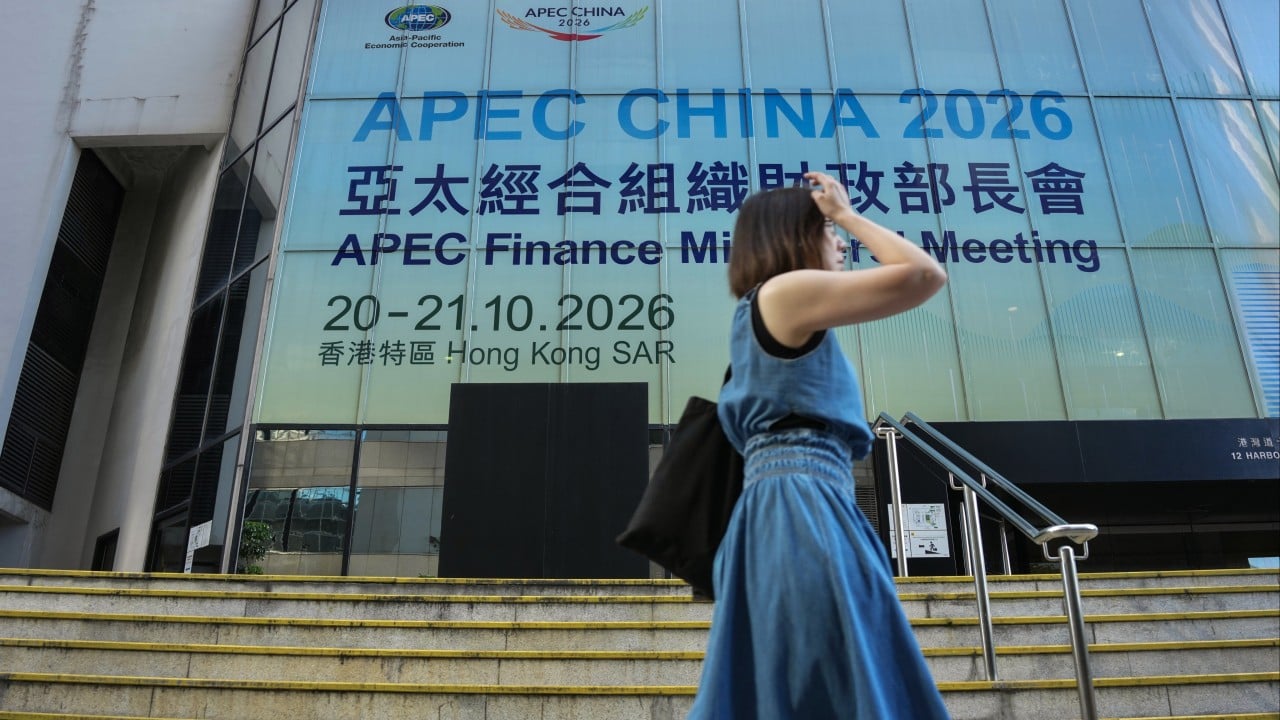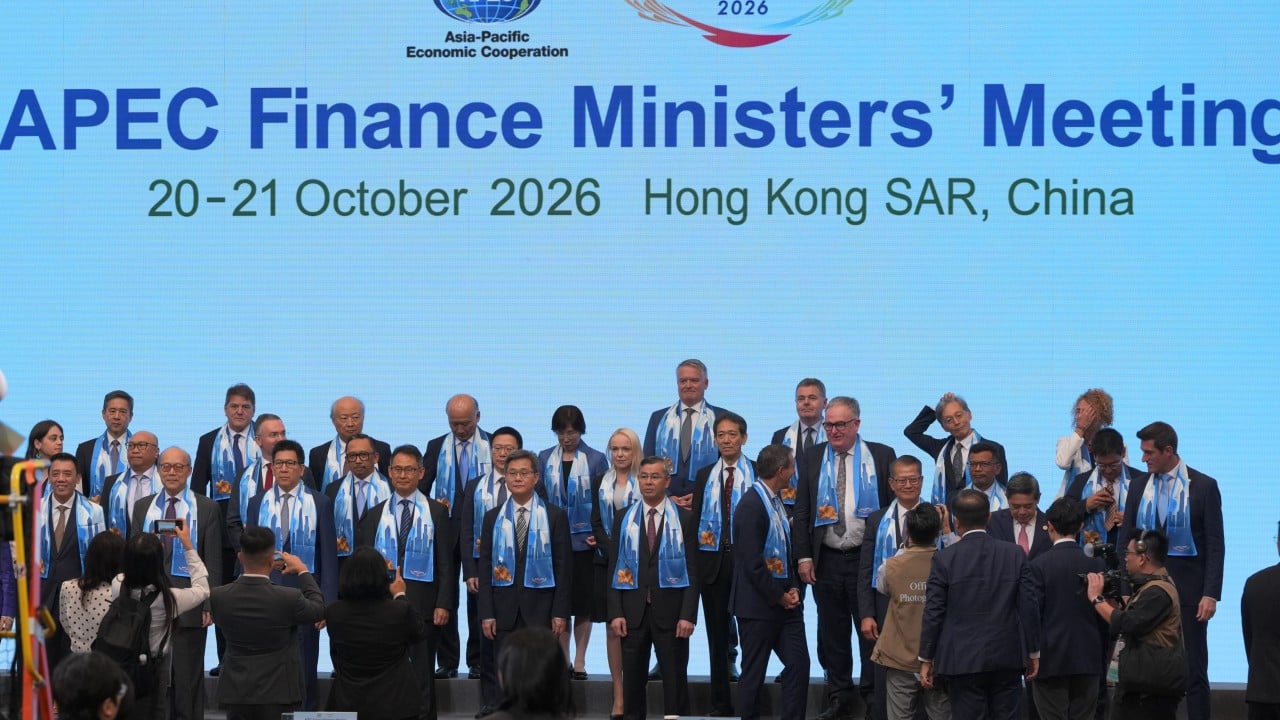
Markets hate surprises. Right now, they are drowning in them. When Hong Kong Financial Secretary Paul Chan pointed out that global economic risks are heavily tilted to the downside due to escalating geopolitical friction, he wasn't just stating the obvious. He was sounding an alarm for trade hubs everywhere.
If you run a business, manage a portfolio, or simply try to keep savings safe, you can't ignore the shifting currents. Supply chains aren't just stressed; they're being redrawn along political boundaries. Let's look at what this actually means on the ground, past the corporate press releases.
The Real Cost of Geopolitical Friction
For decades, international trade operated on a simple premise. You sourced goods from wherever they were cheapest and built products wherever manufacturing was most efficient. Cost efficiency ruled everything.
Those days are gone.
Now, national security tramples profit margins. Tariffs, export controls, and sudden trade restrictions turn reliable supply lines into volatile question marks. When political tensions flare in major transit corridors or diplomatic channels break down, the impact hits shipping costs, insurance premiums, and inventory timelines instantly.
Chan's warning about downside risks points directly to this fragility. When central banks and financial officials look at economic forecasts, they see a floor that keeps getting shakier. A single diplomatic standoff can wipe out months of projected growth for export-reliant economies.
Where Tech Demand Meets Hard Reality
It isn't all gloom, though. Technology sectors—especially artificial intelligence and advanced electronics—have acted as a massive cushion for trade hubs. When traditional manufacturing slows down, soaring demand for high-end chips and infrastructure hardware keeps numbers moving upward.
Yet, tech is a double-edged sword. Chan noted that a huge portion of recent initial public offerings and venture inflows are tightly concentrated around artificial intelligence. When capital piles into a single sector while geopolitical weather worsens, you get a vulnerable market structure. If an administrative ban or supply chokehold hits high-end hardware components, the shockwave travels fast through global equity markets.
Prudence has to replace blind optimism. Companies that survived the past few years by keeping lean inventories are learning a painful lesson. Just-in-time delivery models are breaking under the weight of trade barriers.
Adapting Your Strategy When the Floor Shakes
You can't control what happens between major superpowers. You can control how exposed your assets or operations are to sudden shocks.
Diversification is no longer a buzzword for a pitch deck. It's survival insurance. If your supply chain relies on a single geographic node, you are sitting on a ticking clock. Successful operators are actively spreading risk across alternative markets, building regional redundancies, and tightening cash flow controls.
Fiscal discipline matters more than ever. When borrowing costs stay unpredictable and market sentiment turns fragile, companies burning cash on speculative expansions get punished first.
Take a hard look at your exposure. Map out where your critical inputs originate, where your capital sits, and how a sudden regulatory shift would impact your next quarter. Waiting for clarity is a losing game because uncertainty is the new baseline. Stay lean, keep cash reserves healthy, and build buffers before you actually need them.