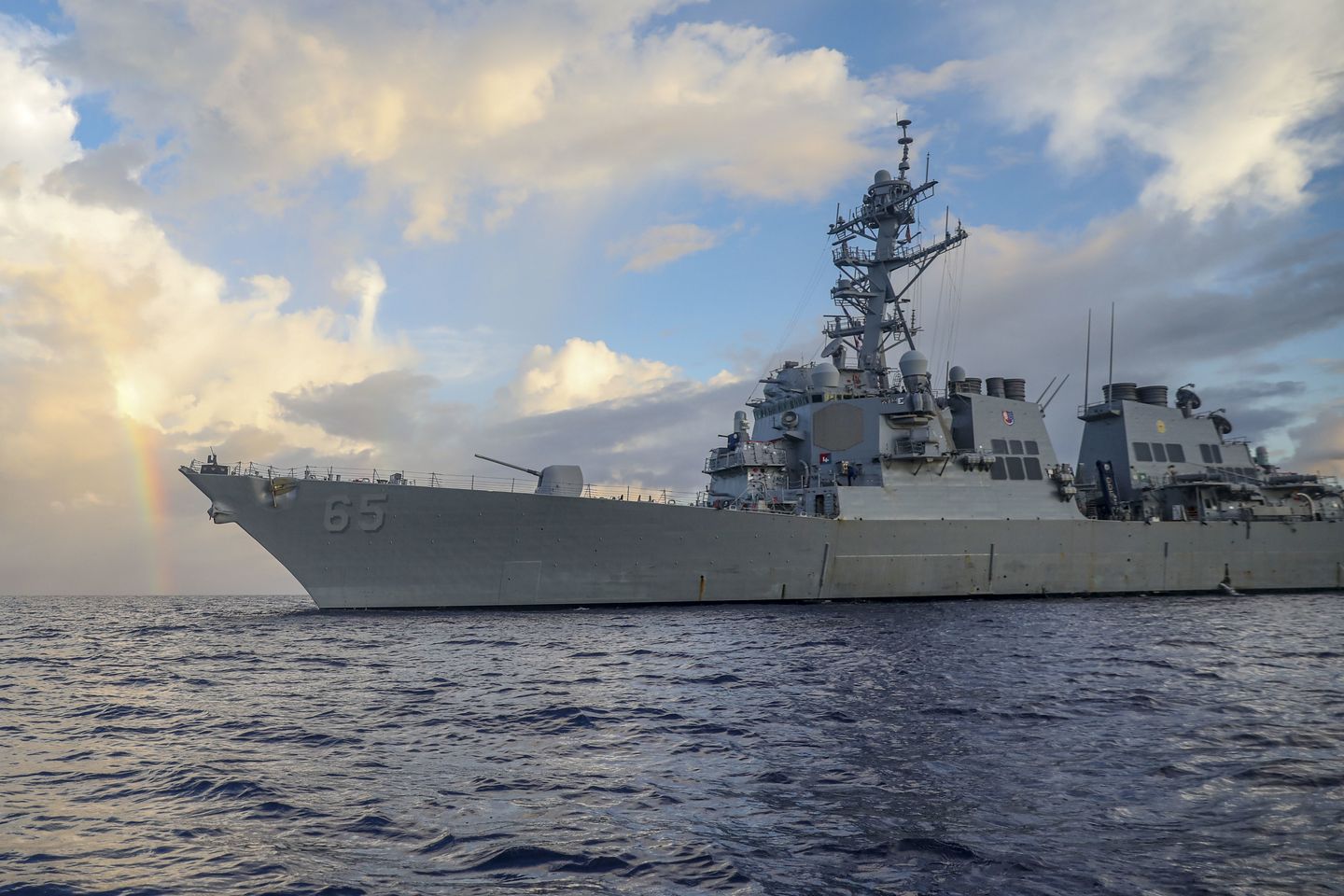
Strategic control over maritime chokepoints defines modern energy economics, where physical geography intersects directly with naval power projection. The recent friction between Washington and Muscat regarding bilateral negotiations with Tehran exposes the underlying mechanics of how regional intermediaries operate under extreme superpower coercion. When sovereign states attempt to broker parallel maritime transit agreements outside of a dominant occupying naval coalition, friction points scale rapidly into kinetic threats.
The Mechanics of Maritime Interdiction
The Strait of Hormuz handles roughly a fifth of global petroleum supply, making its operational status a primary variable in international commodity pricing. The United States naval blockade functions as a hard currency barrier, physically restricting Iranian shipping to enforce strategic leverage. For a different look, see: this related article.
Oman occupies a unique structural position within this matrix. Historically functioning as a diplomatic bridge between Western capitals and Tehran, Muscat's geographic jurisdiction spans the southern shipping lanes of the strait. When Oman engages in bilateral transit arrangements with Iran to establish independent mapping rules for commercial vessels, it creates a direct vector of divergence from Washington's enforcement objectives.
The enforcement mechanism of a naval blockade requires absolute compliance across all territorial waters within the chokepoint. If an intermediary state establishes independent operational protocols for maritime traffic, the integrity of the blockade degrades. This structural reality explains the sharp escalatory rhetoric directed at Muscat, reflecting a zero-sum calculation regarding who dictates terms of passage through the waterway. Further coverage on the subject has been shared by Al Jazeera.
Diplomatic Divergence and the Cost Function of Mediation
Mediation fails when the incentives of the mediator diverge from the enforcement goals of the primary belligerent. Muscat's objective is the restoration of regional commercial stability and the reopening of shipping lanes through localized diplomatic channels. Conversely, Washington's objective centers on comprehensive strategic containment of Tehran, utilizing total maritime dominance as leverage to prevent nuclear enrichment capabilities.
This divergence generates a distinct cost function for regional diplomacy:
- Bilateral Accord Value: Lowered transit friction for localized cargo and temporary relief for regional economies.
- Strategic Enforcement Cost: Undermining the unified enforcement architecture required by the dominant naval power.
When Oman advanced an understanding regarding transit route maps with Iranian state representatives, it crossed the threshold from neutral facilitator to independent structural architect. From the perspective of force commanders in Washington, any alternative administrative framework for the strait dilutes the "wall of steel" doctrine intended to isolate Iranian ports.
The Expiration of Ceasefire Architecture and Escalation Pathways
Diplomatic frameworks operate on finite timelines. The expiration of the sixty-day negotiating window without a formalized extension triggered an immediate tactical hardening across the theater. Without a binding mechanism to govern maritime behavior, the probability of miscalculation rises exponentially.
The interaction between coercive diplomacy and sovereign mediation leaves little room for ambiguity. If Muscat proceeds with bilateral administrative frameworks that bypass naval interdiction rules, the structural response from Washington moves past diplomatic protest into kinetic targeting threats. The underlying architecture of the conflict dictates that control over Hormuz cannot be shared between competing authorities; it requires a single, undisputed arbiter of maritime movement.
Execute naval enforcement protocols to secure absolute interdiction visibility across all transit lanes, while simultaneously conditioning any relaxation of port restrictions on verifiable structural concessions regarding nuclear infrastructure development.