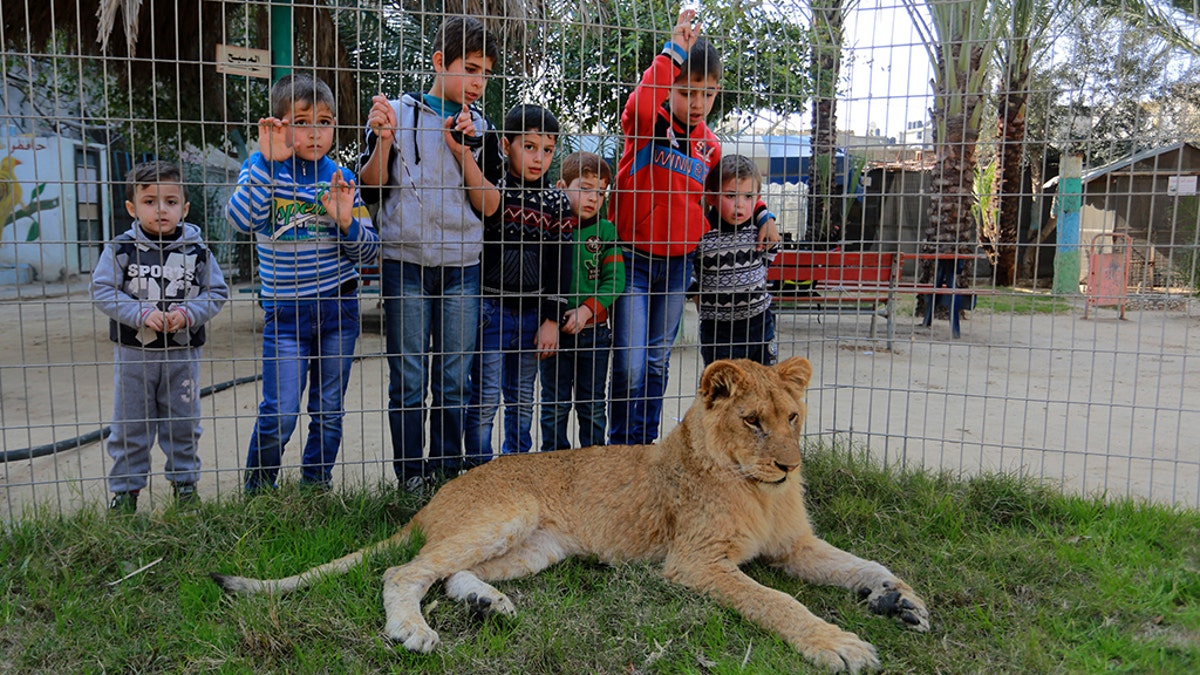
When children walk into the makeshift zoo near the Nuseirat refugee camp in central Gaza, they don't find roaring, energetic wildlife. Instead, they see a lion staring blankly through rusted bars and chimpanzees sitting listlessly in barren enclosures. After nearly three years of unrelenting destruction, these animals are enduring a quiet, agonizing crisis of starvation, untreated illness, and severe psychological trauma.
While international headlines focus almost entirely on the catastrophic humanitarian toll facing millions of displaced humans, a parallel tragedy unfolds behind wire fences. Zookeepers like Mahmoud Gomaa have tried to keep surviving animals alive against impossible odds, but the reality inside Gaza's remaining animal enclosures highlights a forgotten layer of the war's devastation.
The High Cost of Displacement for Captive Wildlife
Before the current conflict erupted following the October 2023 attacks, Gaza had several small municipal zoos housing lions, monkeys, eagles, and other exotic species. Keeping these facilities running was already an uphill battle due to long-standing blockades and economic hardship. When heavy ground invasions and airstrikes battered the territory, caring for captive wild animals became a desperate scramble for survival.
Gomaa originally operated an attraction in the southern city of Rafah. When Israeli military operations forced him out, he faced an agonizing choice. He packed up whatever surviving animals he could manage and moved them from town to town before finally setting up a modest enclosure in Nuseirat.
Not every animal made the journey. When Gomaa fled Rafah under fire, he had to leave behind three lions, multiple crocodiles, and a group of African ostriches. Months later, when a brief return was possible, nothing was left of the ostriches and crocodiles except scattered bones. The locked lions had vanished entirely.
Nutritional Catastrophes and Starvation
Feeding apex predators and exotic species requires specialized diets, fresh meat, and consistent veterinary care. In a besieged territory where ninety percent of the human population regularly struggles to find a single daily meal, specialized animal feed is virtually non-existent.
Veterinarians operating inside the enclave point out that zoo owners are forced to feed lions and other carnivores frozen meat scraps, completely disrupting their nutritional needs. This unnatural diet leads to rapid malnutrition, bone degradation, and weakened immune systems. Vaccines and basic medicines are completely out of reach, leaving sick animals to suffer without intervention.
For visitors like 42-year-old Karam Al-Mazin, the zoo represents one of the only remaining outlets for children trapped in an environment of rubble, tents, and constant airstrikes. Letting parrots sit on their shoulders or petting small monkeys offers a fleeting glimpse of normalcy. Yet, the underlying conditions of the animals paint a stark picture of endurance under extreme duress.
The Invisible Wounds of Constant Bombardment
Physical hunger is only part of the equation. Animal welfare experts, including veterinarians from organizations like Four Paws who have historically navigated dangerous border crossings to rescue Gaza's zoo animals, emphasize the severe psychological toll of modern warfare.
Lions and other sensitive species possess acute hearing, capable of detecting low-frequency vibrations and distant concussions that humans might miss. The relentless sound of airstrikes, artillery fire, and low-flying jets creates chronic panic and behavioral disorders among captive wildlife. Without the option to flee or burrow underground, these animals experience prolonged, inescapable terror.
As the conflict persists without a definitive resolution, the future of these surviving animals remains bleak. International rescue groups face monumental security hurdles, checkpoint delays, and complex negotiations just to access active combat zones. Until sustainable security and adequate resources return to the region, Gaza's captive wildlife will continue to bear the heavy, silent scars of a war they never chose.