The persistent influence of Alberto Fujimori on contemporary Peruvian presidential elections violates standard political life-cycle models. Typically, an authoritarian leader convicted of systematic human rights abuses and corruption undergoes permanent delegitimization. In Peru, however, "Fujimorismo" operates as a highly resilient institutional brand capable of consistently capturing roughly one-third of the national electorate. This structural phenomenon cannot be explained by mere nostalgia or vague appeals to populist charm. Instead, it is the direct consequence of an enduring political equity model built on specific systemic trade-offs executed during the 1990s.
To analyze the trajectory of a Peruvian election involving Keiko Fujimori, one must deconstruct the structural machinery that underpins this political franchise. The Fujimori paradox relies on three distinct pillars: economic baseline stabilization, targeted sub-national clientelism, and the strategic polarization of the security apparatus. By evaluating these mechanisms, we can map exactly how the shadow of an imprisoned ex-dictator dictates the strategic boundaries of a modern democratic runoff. Meanwhile, you can explore related events here: The Gateway of Quiet Alliances.
The Economic Baseline Optimization vs. Democratic Deficit
The primary driver of Fujimorista electoral resilience is the historical contrast between the macroeconomic chaos of the late 1980s and the structural stabilization of the 1990s. This transition operates as a permanent reference point for a significant demographic of the electorate.
                  ┌──────────────────────────────────────────────┐
                  │ 1980s Macroeconomic Crisis (Hyperinflation)   │
                  └──────────────────────┬───────────────────────┘
                                         ▼
                  ┌──────────────────────────────────────────────┐
                  │ 1990s Structural Stabilization (Fujishock)   │
                  └──────────────────────┬───────────────────────┘
                                         ▼
        ┌────────────────────────────────┴────────────────────────────────┐
        │                                                                 │
        ▼                                                                 ▼
┌───────────────────────────────┐               ┌────────────────────────────────┐
│   Positive Economic Outcome   │               │       Democratic Deficit       │
│  (Fiscal Discipline, Growth)  │               │ (Autocracy, Institutional Loss)│
└───────────────────────────────┘               └────────────────────────────────┘
The Hyperinflation Baseline
Under the first administration of Alan García (1985–1990), Peru experienced catastrophic macroeconomic collapse. Annual inflation peaked above 7,000 percent, GDP contracted drastically, and the domestic currency lost all functional utility. This environment eliminated middle-class savings and paralyzed commerce. To explore the full picture, we recommend the recent analysis by TIME.
The Stabilization Shock (El Fujishock)
Upon taking office in 1990, Alberto Fujimori executed a radical market-oriented stabilization program. This strategy required eliminating price controls, slashing subsidies, floating the currency, and aggressively privatizing state-owned enterprises.
The Institutional Trade-off
The immediate result was a severe contraction in purchasing power, followed by rapid stabilization and sustained GDP growth. This successful termination of hyperinflation established an enduring cognitive framework among voters: institutional democracy is correlated with economic chaos, whereas centralized autocracy delivers material predictability.
The 1993 Constitution, enacted following Fujimori’s 1992 self-coup (autogolpe), permanently codified this economic model. By locking in fiscal discipline, central bank independence, and strict protections for foreign investment, the regime bound Peru’s macroeconomic success to the Fujimorista institutional architecture. Consequently, pro-market voters frequently tolerate the movement's authoritarian liabilities to preserve the underlying economic equilibrium.
The Clientelist Sub-National Cost Function
The second pillar of Fujimorista longevity is a deeply entrenched, highly transactional network of sub-national support. While metropolitan elites focus on the erosion of democratic checks and balances, rural and peri-urban voter segments respond to a different utility function.
During the 1990s, the executive branch bypassed traditional ministerial channels to distribute resources directly to marginalized communities. The National Fund for Social Compensation and Development (FONCODES) became a primary vehicle for this direct intervention. The state constructed primary schools, paved local roads, and installed basic electrical grids in regions historically ignored by the central government.
This distribution strategy created a durable political loyalty that operates independently of ideological alignment. The relationship is strictly transactional and highly rationalized by the recipient:
- Direct Attribution: Infrastructure was explicitly branded as a personal gift from the president rather than an institutional output of the state.
- Marginal Utility Evaluation: For a community lacking potable water or road connectivity, the marginal utility of a concrete schoolhouse outweighs the abstract value of judicial independence in Lima.
- Intergenerational Transmission: This gratitude functions as an inheritable political asset, allowing Keiko Fujimori to mobilize dense geographic pockets of voters who view her franchise as the sole guarantor of tangible state presence.
The Counter-Insurgency Security Framework
The third pillar leverages the collective memory of the internal armed conflict against insurgent groups, primarily the Maoist Sendero Luminoso (Shining Path) and the Marxist-Leninist Movimiento Revolucionario Túpac Amaru (MRTA).
   ┌────────────────────────────────────────────────────────────┐
   │ 1980s Structural Threat: Asymmetric Warfare & Insurgency   │
   └─────────────────────────────┬──────────────────────────────┘
                                 ▼
   ┌────────────────────────────────────────────────────────────┐
   │ 1990s State Response: Intelligence-Led Counter-Insurgency  │
   └─────────────────────────────┬──────────────────────────────┘
                                 ▼
   ┌────────────────────────────────────────────────────────────┐
   │ Captured Leadership & Decreased Violent Activity           │
   └─────────────────────────────┬──────────────────────────────┘
                                 ▼
   ┌────────────────────────────────────────────────────────────┐
   │ Strategic Polarization: Anti-Communism as a Political Filter │
   └────────────────────────────────────────────────────────────┘
By 1990, asymmetric warfare had brought the Peruvian state to the brink of systemic collapse. The Fujimori administration responded with a dual-track strategy: empowering local peasant militias (rondas campesinas) and deploying specialized, intelligence-led police units like the GEIN. The capture of Shining Path leader Abimael Guzmán in 1992 marked the functional decapitation of the insurgency.
The political utility of this victory resides in its permanent polarization. The Fujimorista apparatus successfully framed the eradication of terrorism as a binary choice between their specific brand of authoritarian security and total societal collapse.
In modern runoff elections, this framework is weaponized via terruqueo—a systematic rhetorical strategy where any left-of-center or reformist opponent is branded as an existential threat to national security or an active sympathizer with terrorism. This tactic effectively consolidates a defensive coalition comprising the military establishment, corporate elites, and conservative urban middle classes, forcing them to coalesce around the Fujimorista candidate during a second-round vote.
The Runoff Bottleneck and the Anti-Fujimorista Coalition
Despite these three powerful pillars of positive equity, the Fujimorista movement suffers from a structural limitation: a high, inflexible electoral ceiling. The exact mechanisms that generate a loyal baseline of support simultaneously trigger an opposing, highly motivated counter-coalition. This dynamic defines the mechanics of the presidential runoff.
The anti-Fujimorista movement is not a cohesive ideological party; it is a reactive coalition bound by a shared commitment to preventing the return of an autocracy. The components of this veto coalition span a wide spectrum:
- Institutional Reformists: Urban, educated demographics focused on anti-corruption, judicial independence, and human rights.
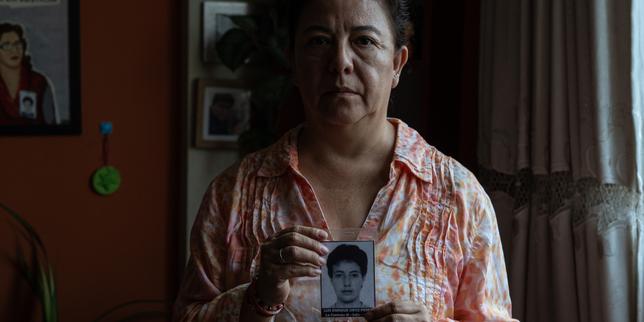
- Victims of State Violations: Networks representing individuals targeted by 1990s state overreach, including the Barrios Altos and La Cantuta massacres, as well as the forced sterilization programs targeting indigenous women.
- Regional Leftists: Rural southern Highlands voters who view the 1993 economic model as inherently extractive and exclusionary.
This polarization creates a predictable mathematical bottleneck in a two-round electoral system. The Fujimorista candidate easily clears the first-round threshold because the fragmented opposition splits the non-Fujimorista vote across a dozen parties.
However, the second round transforms the election into a binary referendum on the 1990s regime. The anti-Fujimorista veto coalition systematically consolidates behind any opposing candidate, regardless of that candidate's radicalism, structural flaws, or lack of governance experience. This structural bottleneck explains how figures like Ollanta Humala, Pedro Pablo Kuczynski, and Pedro Castillo successfully secured the presidency despite thin margins and severe ideological vulnerabilities. The electorate chose structural uncertainty over a return to the Fujimorista institutional framework.
Strategic Forecasting for Electoral Competitiveness
To break this systemic deadlock and project future electoral outcomes, analysts must monitor three specific structural variables rather than superficial campaign rhetoric.
The Generational Depreciation of Memory
The economic and security baselines established in the 1990s are subject to natural demographic erosion. Voters entering the electorate today have no lived experience of hyperinflation or the immediate threat of car bombs in Lima. For this demographic, the positive equity of the Fujimorista brand is purely abstract, while the negative liabilities—corruption scandals, obstructionist legislative behavior, and institutional rot—are contemporary lived realities. If the movement fails to update its core value proposition beyond historical comparison, its structural baseline will decay below the threshold required to force a second-round runoff.
The Fragmented Right and Institutional Competitors
Historically, Fujimorismo operated as the exclusive vehicle for Peru's conservative elite, business sectors, and law-and-order advocates. The emergence of alternative right-wing populist and technocratic parties threatens this monopoly. If a competing platform successfully decouples pro-market economic policy and hardline security from the specific historical baggage of the Fujimori family, the core constituency of the movement will fragment, collapsing their first-round advantage.
The Governance Failure of the Anti-Fujimorista Alternation
The long-term viability of the anti-Fujimorista veto depends on the performance of the candidates it elevates to the presidency. When these anti-Fujimorista administrations succumb to systemic corruption, institutional paralysis, or economic mismanagement, the marginal cost of voting for Fujimorismo drops for the unaligned electorate. Continual governance failures by reformist or leftist alternatives gradually neutralize the authoritarian stigma, shifting the utility calculation back toward the predictability of the 1990s model.
The analytical reality of Peruvian politics is that the shadow of Alberto Fujimori persists not because of emotional nostalgia, but because the structural trade-offs of his regime engineered the very institutions, economic incentives, and social divisions that govern the country today. Until an alternative political force resolves the fundamental tension between economic stability and democratic integrity, the Fujimorista brand will remain the central axis around which Peruvian democracy rotates.