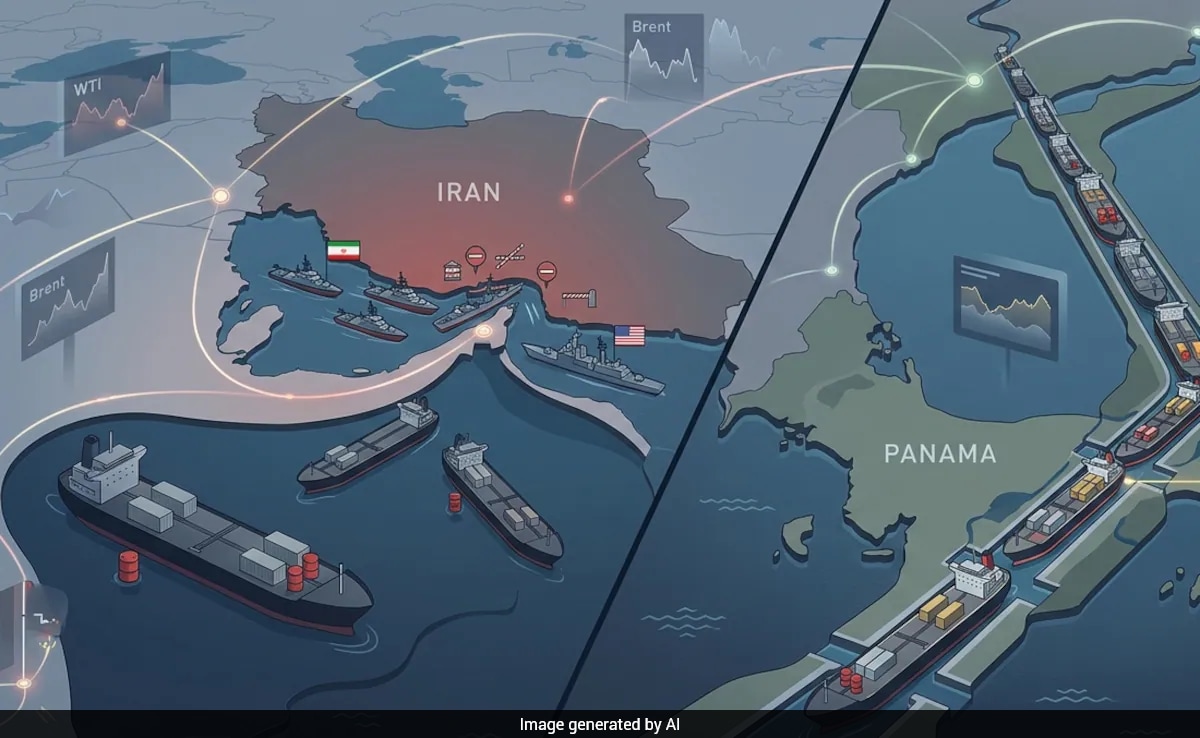
The British economy just hit a wall. Data released for March shows the Consumer Prices Index (CPI) climbed to 3.3%, a sharp jump that ends the brief flirtation with the Bank of England’s 2% target. While some analysts predicted a soft landing, the reality is a jarring jolt driven by a volatile energy market and a geopolitical powderkeg in the Middle East. The primary culprit is the surge in global crude prices following the escalation of conflict involving Iran, which has filtered through to UK petrol pumps with ruthless efficiency.
Households already stretched by years of stagnant wage growth are now facing a renewed squeeze. This isn't just a statistical blip. It is a fundamental shift in the inflationary trajectory that complicates every move the Monetary Policy Committee (MPC) makes. When fuel costs rise, the "second-round effects" begin almost immediately. Transportation companies hike surcharges, supermarkets adjust their shelf prices to cover logistics, and the entire supply chain feels the heat.
The Geopolitical Tax on British Wallets
Oil is the lifeblood of global trade, and the recent hostilities involving Iran have effectively placed a tax on every British commuter. Brent crude surged past significant psychological barriers in late February and early March, and we are seeing the results of that lag now. When the Strait of Hormuz—a transit point for a fifth of the world’s oil—becomes a zone of military tension, the markets react with panic.
That panic translates to roughly 7p to 10p extra per litre at the local forecourt. For a small business running a fleet of delivery vans, that is the difference between a profitable quarter and a desperate scramble for credit. The UK is particularly vulnerable to these shocks because our fuel duty freezes, while popular politically, offer no protection against the raw volatility of the global commodity market. We are price takers in a game played by giants.
Beyond the Pump
It would be a mistake to blame the 3.3% figure entirely on fuel. While energy is the catalyst, inflation is becoming "sticky" in the service sector. Restaurants, hotels, and hair salons are raising prices not because of oil, but because of the National Living Wage increase and the lingering pressure of high rents.
Consider a hypothetical independent cafe in Manchester. The owner might see a 5% increase in the cost of coffee beans due to shipping disruptions, but their real headache is the 10% jump in their electricity contract and the need to pay staff a competitive wage to keep them from jumping to a larger chain. These costs are being passed to the consumer because there is simply no more margin left to absorb.
The Bank of England’s Impossible Choice
Threadneedle Street is now trapped. For months, the narrative was focused on when—not if—interest rates would fall. This March inflation print of 3.3% likely tears up those plans. If the Bank cuts rates to stimulate a sluggish economy, they risk letting inflation spiral out of control again. If they hold rates high, or heaven forbid, raise them, they risk choking off what little growth remains in the UK economy.
The "Higher for Longer" mantra is no longer a warning; it is the most probable reality. Mortgage holders coming off fixed-rate deals this summer are looking at a bleak horizon. The gap between the 2% target and the 3.3% reality represents a failure of the current mechanisms to stabilize the domestic economy against external shocks.
The Credibility Gap
Central banks rely on "inflation expectations." If the public believes prices will keep rising, they demand higher wages, and businesses raise prices in anticipation. This becomes a self-fulfilling prophecy. By exceeding expectations in March, the UK risks de-anchoring those expectations. The "3.3%" headline acts as a psychological trigger. It tells the public that the cost-of-living crisis hasn't ended; it has simply evolved.
The Hidden Weight of Imported Inflation
The UK imports a massive portion of its food and consumer goods. When the pound weakens against the dollar—which often happens during times of global strife as investors flock to the "safe haven" of the greenback—everything we buy from abroad becomes more expensive.
During the March period, sterling faced significant headwinds. This meant that even if a product's price stayed flat in its country of origin, it cost more by the time it landed at the Port of Felixstowe. We are importing the world's instability. The "Iran premium" on oil is doubled by the "Exchange Rate penalty" on finished goods.
Core Inflation vs Headline Figures
Economists often point to "Core Inflation"—which strips out volatile items like food and energy—to suggest things aren't that bad. This is a cold comfort to the average citizen. You cannot opt out of eating or driving to work. While core inflation might show a slower rate of increase, the headline 3.3% is what dictates the actual quality of life for the British public. The divergence between what technocrats see and what the public feels is widening into a canyon.
Structural Weaknesses Exposed
This March spike exposes the thin ice upon which the UK economy sits. Our energy security is an illusion. Despite talks of North Sea transition and renewables, the marginal price of energy in the UK is still dictated by global gas and oil benchmarks. We have one of the lowest gas storage capacities in Europe, meaning we cannot hedge against price spikes as effectively as our neighbors.
When a conflict in the Middle East can add 1.3 percentage points to our inflation target in a matter of weeks, it suggests our economic foundations are brittle. The heavy reliance on "Just-in-Time" supply chains means that any disruption, whether it's a drone strike on a refinery or a tanker diversion, shows up on a supermarket receipt in Leeds or London within fourteen days.
The Retailer’s Dilemma
Big retail chains are currently engaged in a brutal price war. Discounter brands like Aldi and Lidl are eating the market share of established players. To compete, major supermarkets have tried to keep prices low by squeezing their suppliers. But you can only squeeze a farmer or a manufacturer so far before they go out of business.
In March, we saw the limits of this strategy. Suppliers, hit by their own rising fuel and fertilizer costs, have reached a breaking point. They are demanding—and getting—higher prices. The "big four" supermarkets have no choice but to let those costs through to the consumer, contributing to that 3.3% figure.
The Fiscal Fallout
For the government, this is a nightmare scenario. High inflation increases the cost of servicing the national debt, much of which is linked to inflation indices. This leaves less money for public services, tax cuts, or infrastructure projects. The "inflation tax" is hitting the Treasury as hard as it is hitting the household.
Politicians will try to frame this as an external shock beyond their control. While the war is indeed an external factor, the UK's lack of resilience is a domestic policy failure. The inability to move away from a high-dependency energy model has left the nation's throat exposed to the whims of global despots and regional conflicts.
The Wage-Price Trap
Workers are seeing the 3.3% headline and preparing their next round of pay demands. After years of real-term wage cuts, there is zero appetite for further "restraint." If the private and public sectors agree to 4% or 5% pay rises to match the cost of living, we enter the classic inflationary spiral. The money supply increases, demand stays high, and prices jump again to compensate for the higher wage bill.
This cycle is notoriously difficult to break without a significant recession. The March data suggests we are closer to that cycle than anyone in government is willing to admit.
Supply Chain Realignment
The response from the corporate world is a frantic move toward "friend-shoring" or "near-shoring." Companies are trying to find suppliers in more stable regions, even if the costs are higher. They are trading efficiency for security. However, this transition is expensive and slow. In the short term, the cost of moving production or changing logistics partners is itself inflationary.
The March inflation report is a signal that the era of cheap, globalized goods is over. We are entering a period of "Secular Inflation," where various factors—geopolitical instability, climate change, and aging populations—keep prices higher than the old 2% norm.
Practical Implications for the Consumer
For the individual, the strategy must shift from saving to defensive spending. High inflation erodes the value of cash in a standard bank account. With 3.3% inflation and many savings rates struggling to keep pace after tax, the real value of wealth is shrinking.
Investors are pivoting toward "real assets"—commodities, infrastructure, and inflation-indexed bonds. The traditional 60/40 portfolio is being questioned as the correlation between stocks and bonds shifts in a high-inflation environment.
The Road Ahead
Do not expect the April or May figures to provide an easy out. The oil price shocks of March have a long tail. We are currently seeing the direct impact on fuel, but the indirect impact on everything from plastic packaging to air travel is still working its way through the system.
The UK is facing a period of prolonged economic discomfort. The 3.3% figure is a warning shot across the bows of the British economy. It tells us that the post-pandemic recovery is not a straight line and that we remain at the mercy of a world that is becoming increasingly volatile and expensive.
Immediate Actions
- Audit Energy Exposure: Small businesses must re-evaluate their logistics and energy contracts now, rather than waiting for the next quarterly bill.
- Debt Management: Anyone on a variable-rate debt should look at fixing their costs immediately, as the prospect of BoE rate cuts has evaporated.
- Supply Chain Diversification: Retailers must look for domestic alternatives to imported goods to mitigate the double-hit of fuel prices and currency fluctuations.
The 3.3% inflation rate in March isn't just a number on a spreadsheet; it's a signal that the economic ground is shifting. The Iran conflict was the spark, but the UK's underlying vulnerabilities provided the tinder. Prepare for a long, expensive year.