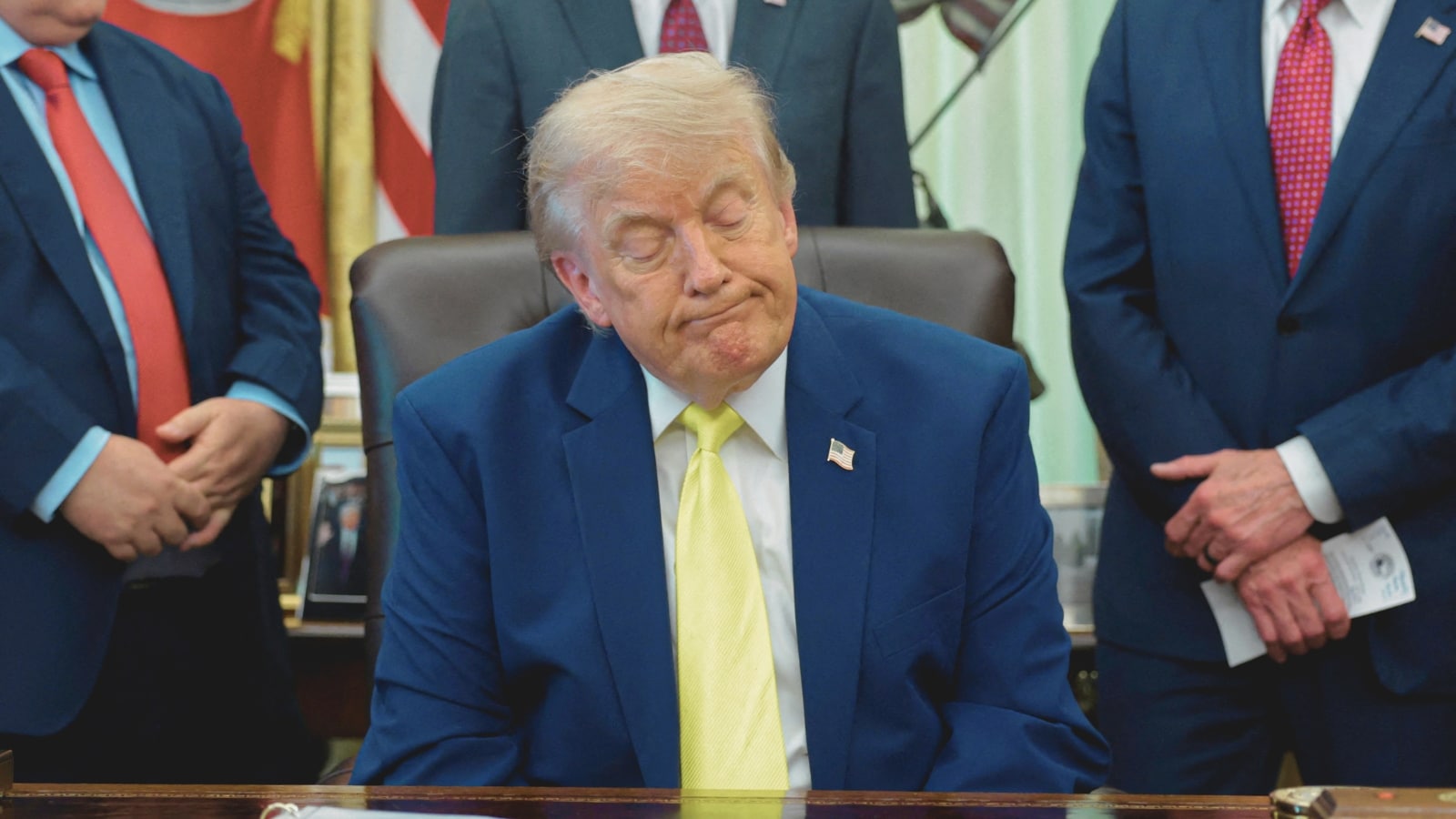
White House assertions of a covert, large-scale seizure of millions of barrels of Iranian oil directly clash with the operational realities outlined by the Department of Energy. While executive rhetoric claims credit for nightly maritime interdictions that suppress global energy prices, the mechanisms of global supply chains and military logistics suggest a far more complicated reality. Disrupting state-backed energy flows requires navigating a complex system of international maritime law, physical infrastructure bottlenecks, and structural market pricing.
Analyzing this situation reveals a significant disconnect between geopolitical messaging and the actual mechanics of maritime interdiction. It also highlights the structural limitations of using military force to manage oil market volatility.
The Three Pillars of Modern Maritime Blockades
Assessing the validity of large-scale petroleum interdiction requires evaluating the operational components necessary to remove millions of barrels of crude oil from circulation. A naval blockade cannot simply vaporize physical inventory. It must operate within three strict constraints: physical seizure capacity, specialized offloading infrastructure, and legal-regulatory processing mechanisms.
+-----------------------------------------------------------------------+
|                       MARITIME INTERDICTION                           |
+----------------------------------+------------------------------------+
                                   |
         +-------------------------+-------------------------+
         |                         |                         |
         v                         v                         v
+------------------+     +-------------------+     +--------------------+
| PHYSICAL SEIZURE |     | OFFLOADING INFRA. |     |  LEGAL-REGULATORY  |
|   Tactical force |     |  Secure terminals |     |   Asset forfeiture |
|   and boarding   |     |  and ship-to-ship |     |   and litigation   |
+------------------+     +-------------------+     +--------------------+
Physical Seizure and Boarding Capacity
The physical seizure of a commercial oil tanker is a high-risk tactical operation. Mid-market tankers, such as Suezmax or Very Large Crude Carriers (VLCCs), transport between one million and two million barrels of crude oil respectively. Interdicting 22 vessels in a single night—as claimed in recent executive statements—would require an unprecedented mobilization of naval boarding teams, support vessels, and air cover.
In practice, a naval force can disable or redirect traffic. However, taking physical control of multiple dark-fleet vessels simultaneously introduces extreme compounding operational risks, particularly when operating within range of land-based anti-ship missile batteries.
Offloading Infrastructure and Ship-to-Ship Transfers
Once a vessel is interdicted, the oil must go somewhere. Crude oil cannot remain indefinitely on seized, hostile hulls within contested waters without creating immense environmental and security liabilities. Rerouting or offloading millions of barrels requires:
- Dedicated, secure deep-water terminals willing to accept contested cargo.
- Highly coordinated Ship-to-Ship (STS) transfer operations, which require calm waters, specialized equipment, and days of uninterrupted labor per vessel.
- Available commercial tonnage to receive the offloaded product, which runs counter to current tight global tanker capacity constraints.
Legal-Regulatory Processing and Asset Forfeiture
Under international maritime law and US domestic statutes, seized crude oil must clear civil forfeiture proceedings before entering commercial streams or being liquidated. Historically, the Department of Justice manages these processes through court-ordered seizures, a framework that operates on a timeline of months, not hours. Bypassing this framework to instantly inject millions of barrels of "captured" crude into the open market breaks established regulatory compliance protocols. This makes the product toxic to international refiners wary of secondary sanctions or ownership litigation.
The Cost Function of Chokepoint Protection
The Department of Energy’s testimony presents a different operational model: the US military is acting as an escort and enforcement mechanism to maintain transit through the Strait of Hormuz, rather than conducting mass asset expropriation. This distinction alters the economic and logistical math of the region.
           [Escort and Enforcement Model]
                         |
                         v
     +---------------------------------------+
     |   Reduces Risk Premium (Drops $94/bbl |
     |      toward baseline $85-$90/bbl)     |
     +---------------------------------------+
                         |
                         v
     +---------------------------------------+
     | Restores Commercial Volume Flow Rate  |
     |   (Facilitates >100M Barrels Through) |
     +---------------------------------------+
When naval forces secure commercial lanes, they directly lower the maritime risk premium priced into global crude markers. This intervention acts on market psychology. It assures insurers and commodity traders that volume flow rates will remain stable, which prevents structural supply-side shocks.
This escort framework explains how over 100 million barrels of oil have moved through the chokepoint recently. The volume is not seized contraband being redistributed by military forces; it is commercial oil successfully navigating a contested strait because military protection mitigated the threat of asymmetric state attacks. The drop in Brent crude toward the $85–$90 range is a direct outcome of removing this geopolitical risk premium, not a result of flooding the market with seized Iranian crude.
Information Bottlenecks in Inter-Agency Command
The public contradiction between executive announcements and the Department of Energy's awareness highlights a structural communication gap common in wartime energy management. This information breakdown generally stems from three specific structural bottlenecks.
- Compartmentalization of Kinetic Operations: Covert actions or direct military interdictions managed by Central Command and intelligence agencies are frequently shielded from civilian administrative bodies. The Department of Energy oversees domestic logistics, the Strategic Petroleum Reserve, and statistical tracking. It does not command tactical naval assets.
- Mismatched Data Timelines: The White House often relies on real-time battlefield reports, which can include unverified or exaggerated initial assessments. Conversely, civilian energy analysts require verified manifests, bills of lading, and offloading receipts before recognizing changes in supply. This creates a clear analytical delay.
- Political Rhetoric vs. Operational Realities: Executive messaging frequently uses broader, non-technical language for public impact. Describing a strict naval blockade that stops or turns back Iranian tankers as "taking out millions of barrels" distorts the actual mechanism. The oil is stopped from reaching buyers, but it has not been physically captured and added to Western inventories.
The Asymmetry of Dark-Fleet Operations
To accurately evaluate the impact on Iranian exports, analyst models must account for the structural resilience of "dark fleet" logistics. The enforcement of a blockade faces diminishing returns due to the adaptive tactics of illicit shippers.
+--------------------------------------------------------------------------+
|                        DARK FLEET LOGISTICS MATRIX                       |
+-------------------+------------------------------------------------------+
| Tactic            | Operational Mechanism                                |
+-------------------+------------------------------------------------------+
| AIS Transponder   | Vessels disable tracking or broadcast false          |
| Manipulation      | coordinates to mask true loading origins.            |
+-------------------+------------------------------------------------------+
| Flag-State        | Rapidly cycling registration through lenient         |
| Hopping           | jurisdictions to evade unilateral sanctions.         |
+-------------------+------------------------------------------------------+
| Fractionalized    | Distributing cargo across dozens of smaller, older   |
| Delivery          | tankers to limit the impact of any single seizure.  |
+-------------------+------------------------------------------------------+
These tactics mean that while a targeted naval push can disrupt standard maritime routes, completely closing off these flows requires an unsustainable level of continuous tactical containment. A blockade acts as a restrictor plate on a state's economic output, rather than a total shutoff valve.
Strategic Projections for Global Crude Markets
The ongoing tension between enforcement reality and political messaging sets up a clear near-term trajectory for energy markets. Traders should expect a structural floor for crude prices, sustained by several key factors.
First, the operational costs of maintaining a continuous naval presence in the Strait of Hormuz will limit how long the current escort strategy can be sustained. If naval deployment scales back before a formal diplomatic settlement is reached, the maritime risk premium will quickly return, driving Brent crude back above the $95-per-barrel mark.
Second, the structural damage to regional shipping networks cannot be easily undone by policy announcements. The physical reduction in active tankers willing to enter the Persian Gulf creates a persistent supply bottleneck. Even if the blockade successfully restricts Iranian exports to nominal levels, the broader reduction in regional shipping capacity will counter any downward pressure on prices.
Finally, the policy of using aggressive rhetoric to influence commodity markets has clear limits. If the market realizes that headline-grabbing claims of mass oil seizures lack the supporting logistics of physical offloading and legal liquidation, algorithmic and institutional traders will refocus on real inventory data. Asset managers should base their models on verified terminal flows and freight insurance premiums rather than political statements. The real driver of market stability remains the high-cost, methodical work of naval asset protection, which keeps critical shipping lanes open block by block.


