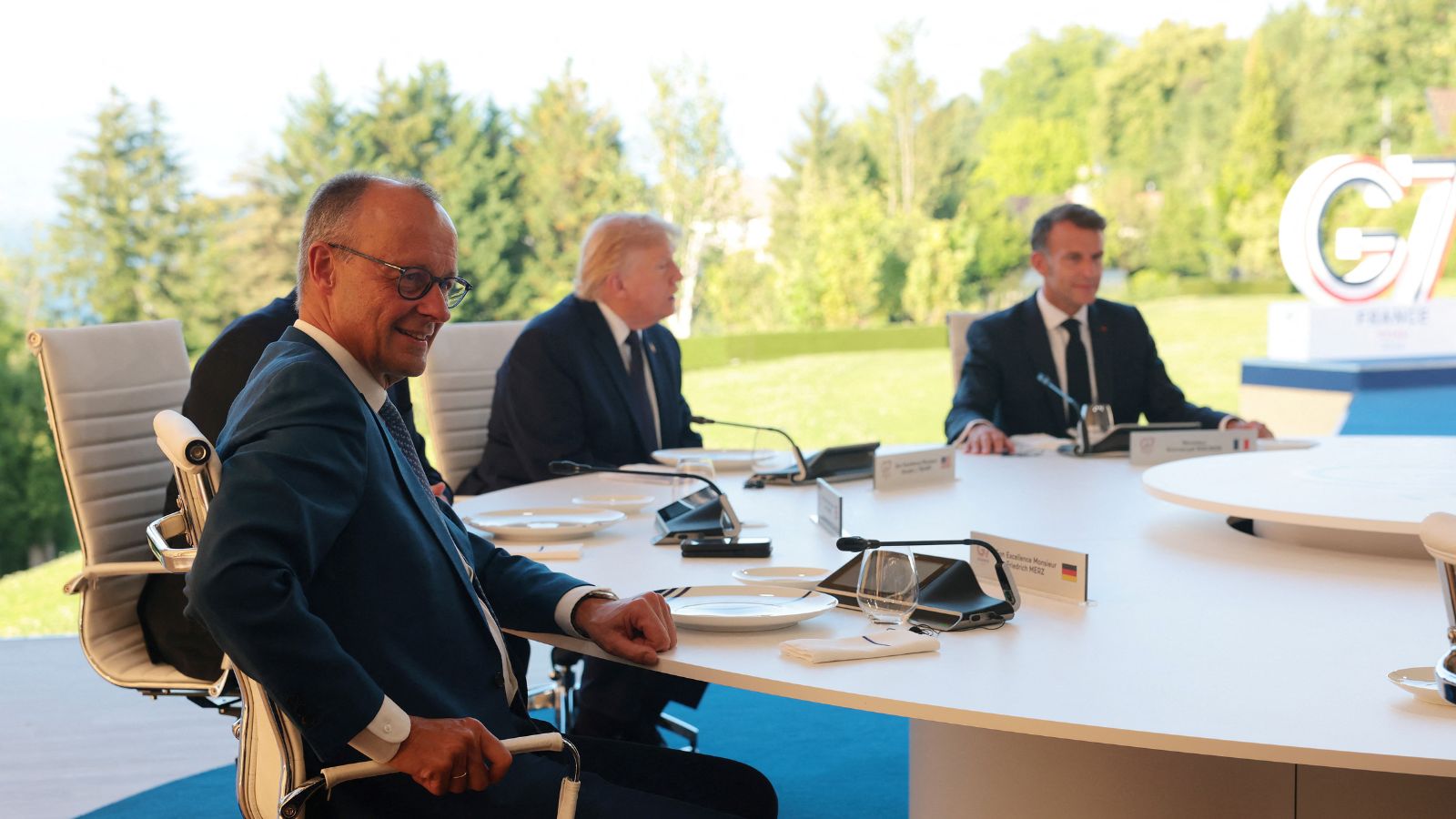
Don't celebrate the reopening of the Strait of Hormuz just yet. While Donald Trump claims the waterway is completely open and toll-free after a fresh U.S.-Iran memorandum of understanding, the reality on the water is chaotic. Underneath the optimistic headlines from the G7 summit in Évian-les-Bains, a major security rift is opening up between the U.S. and its closest European allies.
France and Britain are moving fast to deploy a joint naval task force to the region. French President Emmanuel Macron announced that fighter jets, frigates, and the nuclear-powered aircraft carrier Charles de Gaulle could be on the scene within days. The stated goal? Clear the naval mines left behind by months of intense warfare and escort jittery commercial tankers.
But Trump has already publicly pushed back on the European plan. He openly brushed off the initiative during a bilateral meeting with Macron, saying he doesn't think the U.S. needs much help keeping the strait open. This disconnect leaves global shipping companies and energy markets in a dangerous limbo. If you are looking for stability in global trade, this Western disagreement is the exact opposite of what you need.
The European Gamble for Control
European leaders simply don't trust a handshake agreement to protect their economic lifelines. The Strait of Hormuz is the world's most critical maritime chokepoint. Choking off the transit of roughly a fifth of global petroleum consumption causes instant shockwaves in European energy markets.
The proposed Franco-British operation isn't a sudden, impulsive reaction. It builds on years of joint coordination, including the previous EMASoH monitoring framework and recent combat experience in the Red Sea. Last year, European naval crews defended cargo vessels from intense missile barrages. For instance, the French frigate Alsace had to down multiple ballistic missiles while protecting merchant ships.
Strait of Hormuz Security Infrastructure
--------------------------------------------------
Lead Nations: France, United Kingdom
Primary Assets: Charles de Gaulle Carrier Group, HMS Dragon, RFA Lyme Bay
Mission Mandate: Underwater mine clearance, commercial escorts, aerial surveillance
The Royal Navy is positioning specialized assets like the RFA Lyme Bay to offer critical mine-hunting capabilities. Royal Navy air defense destroyer HMS Dragon is already integrated into the French carrier strike group. They want to provide independent, defensive reassurance to commercial crews and, crucially, maritime insurance companies that refuse to cover hulls entering the Persian Gulf without military protection.
Tehran and Washington Object for Different Reasons
The European mission faces a double wall of resistance. First, Iran has no intention of letting European warships police its backyard. Despite signing the U.S. framework agreement to lift blockades, Tehran's foreign ministry insists that only Iran and Oman have the right to guarantee security in the strait. Iranian officials have already labeled the Western peacekeeping initiative a trick to maintain a permanent foreign military presence.
Second, the White House wants to run the show alone. Trump's brand of diplomacy relies on direct, transactional leverage over Tehran. By flooding the area with European warships, the U.S. fears its own bargaining position could be complicated or diluted. The current American plan is to maintain its heavy force posture in the region during the upcoming detailed negotiations in Geneva, using the presence of the U.S. Navy as a direct enforcement mechanism.
This creates an immediate practical problem for commercial shipping. A captain steering a multi-million-dollar oil tanker into the strait needs absolute clarity on who is providing protection. Do you listen to the U.S. Navy coordinates? Do you follow the French and British escort protocols? Or do you try to placate the Iranian patrol boats demanding transit fees?
What This Means for Global Energy Security
For corporate logistics managers and energy traders, the next few weeks are highly volatile. Experts at organizations like the Center for Strategic and International Studies point out that while a European presence raises the stakes for Iran to rekindle conflict, overstating its utility is a mistake. A fractured security command structure makes the waterway less safe, not more.
The formal signing ceremony in Switzerland on Friday will tell us a lot about the shelf life of this peace deal. If Israel breaks the broader regional ceasefires, or if Iran begins aggressively enforcing local tolls, the U.S. framework will collapse.
If you're managing maritime supply chains, don't rely on political promises of a toll-free, open waterway. Keep your alternative transit routes active, monitor the operational readiness of the French carrier group, and expect insurance premiums to remain high until either Washington or Paris blinks and a unified naval command structure is established.