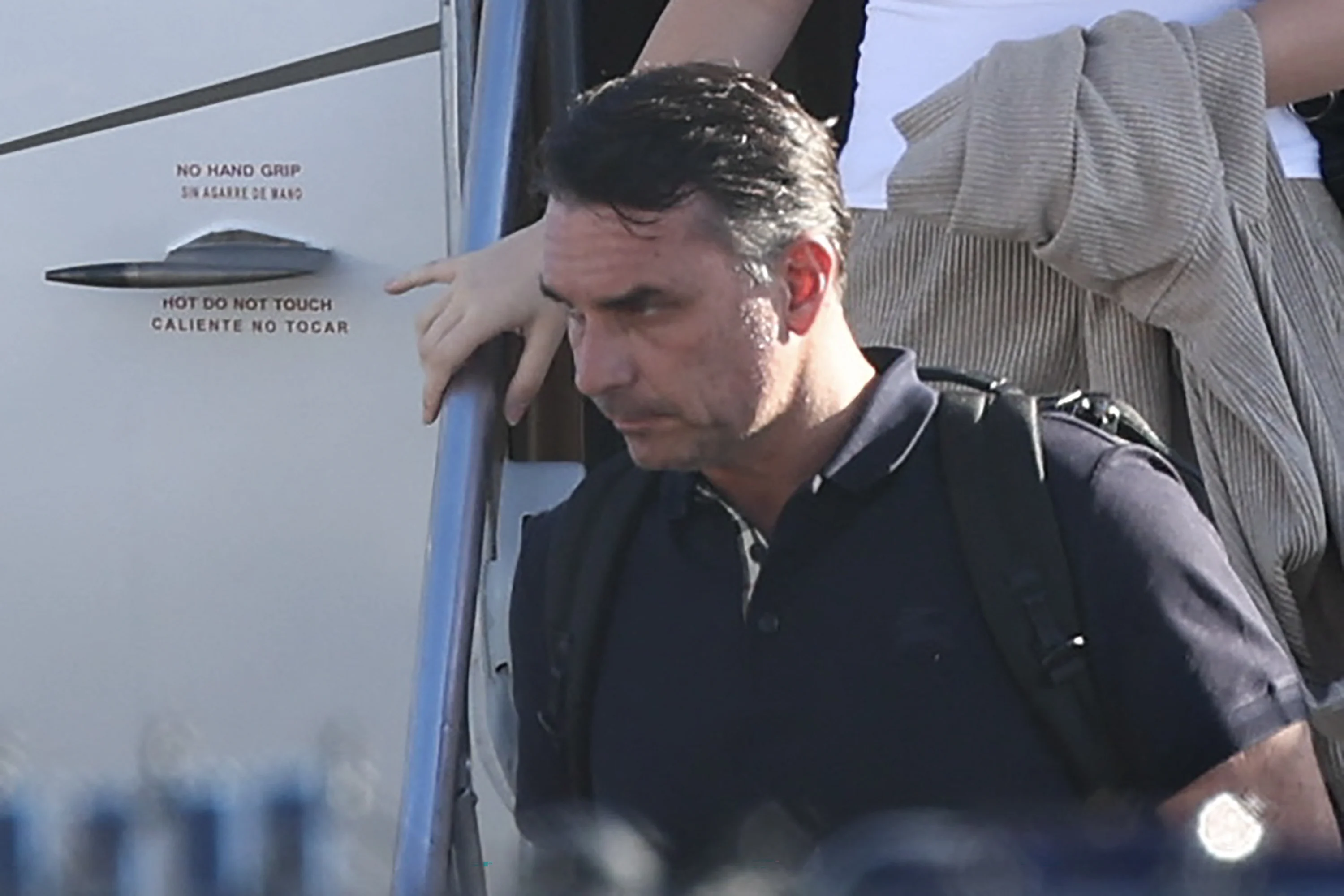
Silence.
That is the first thing survivors remember after the metal stops screaming, a heavy, unnatural quiet that settles over the olive groves and dry scrubland of central Spain before the distant wail of sirens begins to tear the horizon apart.
For decades, boarding a high-speed train in Spain felt less like taking public transit and more like stepping into a promise kept. You bought a ticket in Madrid, settled into a plush seat with a paper cup of espresso, and watched the meseta blur into ochre streaks outside double-paned windows at three hundred kilometers an hour. You trusted the ballast beneath the ties. You trusted the overhead catenary lines hummed with clean electricity. You trusted the invisible architecture of signals, sensors, and human vigilance that kept two hundred tons of steel pinned to two narrow ribbons of iron.
Then came the impact in central Spain, leaving at least thirty people dead and dozens more pulled from twisted carriages in the dust.
And the hardest truth to swallow is not the sheer violence of the crash itself, nor the agonizing tally of lives cut short on an ordinary journey. It is the realization that this catastrophe is the second major rail disaster to scar the country this year alone. Once is a freak tragedy that engineers dissect in sterile laboratories. Twice in a single calendar year feels like a fracture in the foundation of modern life.
The Invisible Contract of the Commute
To understand why a headline about a high-speed derailment lands like a physical blow, step away from the casualty figures for a moment and picture a composite passenger—let us call her Elena, a hypothetical forty-two-year-old architect traveling between Madrid and the southern provinces.
Elena is not a thrill-seeker. She chose the rail corridor precisely because statistics told her it was the safest way to cross the Iberian Peninsula. In her mind, the train is a sanctuary of predictability. She opens her laptop, answers emails, and glances occasionally at the digital display above the carriage door showing the train cruising smoothly past 250 kilometers per hour. She does not think about wheel-flange geometry, track-circuit relays, or the microscopic thermal expansion of steel rails baking under a relentless Castilian sun. Why would she? When you turn a key in your front door, you do not calculate the tensile strength of the brass deadbolt; you simply expect the lock to hold.
That expectation is the invisible contract of modern infrastructure. Every time we board an Alta Velocidad train, we surrender complete bodily autonomy to an unseen web of maintenance crews, dispatchers, software algorithms, and regulatory auditors.
When that web snaps twice in twelve months, the psychological aftershock ripples far beyond the wreckage site in central Spain. Every commuter standing on a platform in Atocha or Sants suddenly hears the approaching rumble of an arriving locomotive differently. The low-frequency vibration beneath their soles no longer feels like effortless progress. It feels like raw kinetic energy barely held in check.
Anatomy of a System Under Strain
How does a network long celebrated as the crown jewel of European rail find itself confronting back-to-back disasters?
Consider what happens next when a train leaves the tracks at high velocity. Physics is unforgiving. At 250 kilometers per hour, a train covers nearly seventy meters every single second—roughly the length of a commercial airliner in the time it takes you to blink. Think of high-speed rail less like a car driving down a paved highway and more like a tightrope walker sprinting across a wire stretched miles above a canyon. The margin for error is measured in millimeters and milliseconds.
Spain built one of the longest high-speed rail networks on earth at breathtaking speed over the past three decades, stitching together provincial capitals across rugged mountain passes and sweeping plains. For years, that network stood as a global benchmark for punctuality and engineering pride. Yet building a gleaming rail line is only the opening chapter; keeping it alive is a relentless, unglamorous war against entropy.
Look closely at the pressures converging on modern rail corridors across Europe today:
- Traffic Density and Liberalization: Track capacity that once carried a predictable rhythm of state-operated trains now accommodates multiple competing operators, heavier schedules, and tighter turnaround windows between runs.
- Climate Extremes: Rapid swings between scorching summer heatwaves and sudden, torrential downpours stress track beds, warp steel rails, and erode embankments faster than legacy inspection cycles were designed to catch.
- The Maintenance Paradox: The safer a system appears over decades, the easier it becomes for budgets to drift toward flashy expansion projects while quiet, routine track-bed diagnostics get stretched thin.
None of these factors alone inevitably triggers a disaster. Investigators examining the twisted wreckage in central Spain will spend months sifting through black-box telemetry, ultrasonic rail scans, and signaling logs to pinpoint the exact chain of failure—whether an undetected rail fissure, a signaling anomaly, an obstruction on the right-of-way, or a fatal intersection of mechanical and human error.
I will admit openly what every honest engineer feels in the wake of such a crash: the sheer number of variables involved is terrifying. You can install automated braking systems like ERTMS (European Rail Traffic Management System) designed to override human mistakes and bring a speeding train to a halt before it enters an occupied block or takes a curve too fast. Yet no algorithm can instantaneously repeal momentum if the physical steel beneath the wheels gives way.
Echoes of Santiago and the Weight of Memory
Spain has walked through this valley of grief before, and the ghosts of past tragedies refuse to stay buried when fresh sirens echo across the plains.
Anyone who lived through the aftermath of the 2013 Angrois derailment near Santiago de Compostela remembers the collective numbness that gripped the nation. Eighty people died when a train entered a sharp curve far above the speed limit on a stretch of track lacking automated speed-control beacons. In the years that followed, courtrooms rang with bitter debates over where individual error ended and systemic negligence began. Reforms were promised. Safety protocols were tightened. Monumental investments poured into upgrading signaling infrastructure across the peninsula.
That history is precisely why this year’s twin tragedies cut so deeply.
When a nation endures a catastrophe, it comforts itself with the belief that pain buys permanent wisdom—that the tears shed by grieving families become the mortar strengthening the walls against future harm. To witness two major train accidents in the same year shatters that comforting illusion. It forces an uncomfortable question onto the table in every café from Seville to Barcelona: did the system grow complacent behind its own safety statistics, or are we running twentieth-century maintenance philosophies underneath twenty-first-century speeds?
Inside the Wreckage and the First Hour
Forget press conferences and ministry statements for a moment. Focus instead on the golden hour immediately following the derailment in central Spain.
Local farmers and residents from nearby villages are almost always the true first responders before specialized rescue units arrive. They hear a sound like prolonged thunder—the unmistakable crunch of aluminum alloy crumpling against limestone and earth—followed by plumes of dust rising above the scrub oak. They run toward the tracks carrying crowbars, bottled water, and bedsheets torn into makeshift bandages.
Inside the tilted carriages, the familiar geometry of travel turns upside down. Overhead luggage racks become lethal projectiles. Windows shatter into frosted webs. Survivors who minutes earlier were strangers scrolling on their phones become lifeline partners, braced against jagged metal frames to lift debris off trapped neighbors while smelling the sharp, acrid tang of overheated electrical wiring and hydraulic fluid.
Emergency crews arriving on scene face a brutal logistical puzzle. High-speed corridors often cut through isolated agricultural stretches far from major trauma centers, intentionally routed away from dense towns to maintain straight, fast alignments. That geographic isolation, so advantageous for shaving twenty minutes off a timetable, turns into a grueling obstacle course when heavy cranes, ambulances, and triage tents must navigate narrow rural dirt tracks under the glare of portable floodlights.
At least thirty families received the phone call every human being dreads—the call where a trembling voice on the other end explains that a loved one’s seat was in one of the forward carriages, or that rescue teams are still working through the hardest-hit section of the train. Numbers on a news ticker flatten human beings into data points. In reality, each of those thirty souls carried a half-read novel in a backpack, a house key on a ring, a dinner reservation waiting at the end of the line.
What Accountability Actually Demands
In the days after a disaster of this magnitude, political leaders inevitably offer solemn condolences, lower flags to half-mast, and pledge swift, transparent inquiries. Those gestures matter, yet grief without structural change is merely theater.
If Spain—and every nation betting its economic and environmental future on high-speed rail—wants to restore the broken trust of its passengers, the path forward requires brutal honesty rather than soothing reassurances.
First, independent safety boards must be empowered to publish unvarnished technical findings without political filtering, examining not just the immediate mechanical trigger in central Spain, but the systemic patterns linking both accidents this year. Was there a shared vulnerability in rolling stock maintenance? A bottleneck in nighttime track inspection windows? A gap in real-time sensor monitoring along heavily trafficked central corridors?
Second, rail operators and infrastructure managers must treat predictive maintenance with the same urgency as flight-critical aviation systems. Every kilometer of high-speed track carries millions of tons of axle loads annually. Continuous fiber-optic acoustic sensing, automated laser rail-profile scanning, and mandatory operational buffers—even if they require slightly longer travel times or fewer daily departures during track-renewal windows—must take absolute precedence over timetable vanity. Speed means nothing if arrival is no longer certain.
Third, transparency must extend directly to the riding public. Passengers deserve clear, accessible reporting on corridor safety audits, signal upgrades, and maintenance backlogs. Trust does not grow in the dark; it grows when institutions treat citizens like adults capable of handling hard facts.
The Long Night on the Meseta
Night falls quickly across the high plains of central Spain, turning the vast horizon into an expanse of indigo shadow broken only by the sweeping beams of recovery cranes and the red pulse of emergency beacons beside the tracks.
Out in the darkness, engineers in high-visibility vests walk the twisted line of steel with flashlights, measuring gaps, photographing sheared bolts, and marking fragments of wreckage with yellow chalk. Miles away, in quiet train stations across the country, departure boards still glow with rows of destinations and neat columns of expected arrival times, waiting for morning commuters to step forward with their tickets in hand.
A single piece of steel rail stretches out toward the dark horizon, cold to the touch, bearing the faint, indelible scrape marks where thirty lives came to a sudden stop.