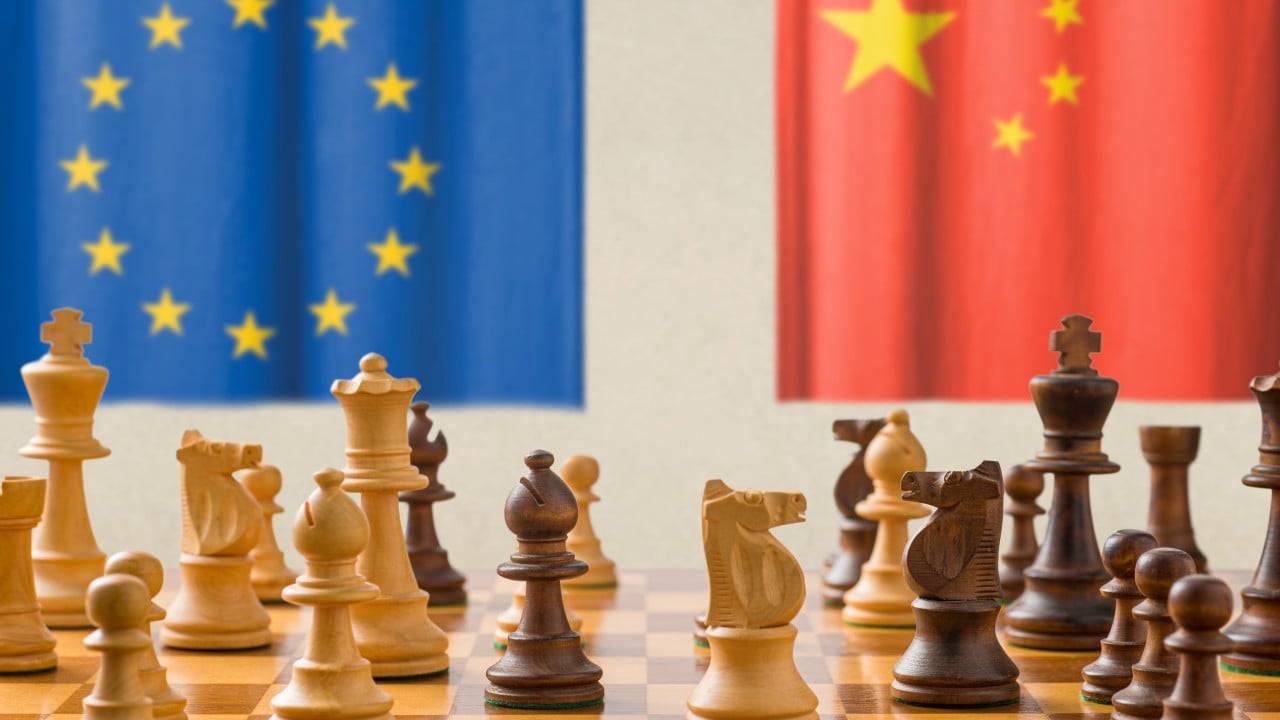
Every time Brussels and Beijing announce a calm patch in their trade fight, someone usually starts shouting before the ink dries. That's the reality of the EU-China trade standoff right now. Nobody really "blinked first" in a clean, movie-style showdown. Instead, both sides have been pulling back from the edge only to trip over the exact same structural problems days or weeks later.
If you're wondering why a temporary pause turns into another war of words so fast, the answer is pretty blunt. Europe is facing a trade deficit with China around €1 billion a day—a gap that hit a record €359.9 billion in 2025. Meanwhile, Beijing is leaning hard on exports to prop up sluggish domestic demand while juggling friction with Washington. Even when negotiators strike a truce or float minimum price commitments, the underlying pressure hasn't gone anywhere.
Why the EU-China Trade Ceasefire Never Quite Holds
A handshake in Brussels or Beijing rarely settles much for long because the two economies want opposite things. European leaders talk about "rebalancing" and stopping what Commission President Ursula von der Leyen called a second China shock hitting Europe's industrial core. Chinese officials hear protectionism dressed up as fair competition and warn against unilateral trade barriers.
When one side dials down rhetoric, another flashpoint opens up. Look at what happened after the EU slapped steep duties on battery electric vehicles back in October 2024. Pure electric imports slowed, sure, yet plug-in hybrid shipments surged—jumping from roughly 3,800 units in October 2024 to 50,000 by July 2026. By autumn 2026, Brussels was pushing for export caps on hybrids and pricing rules, while Beijing pushed back against broad restrictions and favored narrower, case-by-case fixes.
"Negotiating while clashing" isn't a temporary glitch in EU-China relations. For manufacturers and importers on both continents, it's becoming the operating baseline.
Having worked around supply chain planning and cross-border commercial negotiations, I can tell you how exhausting this stop-start pattern feels on the ground. You spend months modeling tariff exposure for a specific product line, only for a diplomat to float a quota or price undertaking that rewrites your landed cost overnight. On paper, a "price undertaking"—where an exporter commits to a minimum floor price instead of paying a flat tariff—sounds neat. In practice, verifying compliance across thousands of configurations, trims, and promotional discounts is a compliance headache that makes finance teams lose sleep.
How War of Words Rhetoric Shapes Real Markets
You might assume tough speeches from politicians are just background noise. They aren't. Words from Brussels and Beijing move currency sentiment, spook equity investors, and force procurement teams to hoard inventory or delay capital spending.
Subsidies, Overcapacity, and Hurt Feelings
European policymakers point to state support and factory overcapacity in sectors like electric vehicles, batteries, steel, wind turbines, and chemicals. From their view, if domestic Chinese consumption isn't absorbing what Chinese factories build, excess supply spills into Europe and squeezes local plants. Volkswagen's massive restructuring plan—slashing up to 100,000 jobs globally by the end of the decade amid high costs, softer demand, and fierce competition—shows how real the squeeze feels inside legacy European industry.
Beijing sees the story from a completely different angle. Officials argue that China built competitive green and manufacturing capacity through scale, innovation, and supply chain efficiency, and they push back hard when foreign tariffs target specific industries. When talks stall or tensions flare, retaliation doesn't always hit the exact same sector—it can pop up in dairy levies, export controls, licensing rules, or sharp diplomatic warnings.
The Trap of Half-Measures and Side Doors
One mistake observers make is treating a joint statement or a narrow tariff tweak as a permanent peace treaty. Trade pressure usually finds a workaround. If one import route gets blocked, companies look for another—whether that means shifting vehicle powertrains toward hybrids, routing components through third countries, or localizing assembly inside Europe to satisfy strict local-content rules.
Even neighboring markets feel the splashback. Recent friction around EU "Made in Europe" rules and alignment on EV tariffs has put countries like the UK in a tricky spot, caught between closer trade ties with European neighbors and concerns over investment, consumer costs, and retaliation from Beijing. Nobody operates in a neat vacuum when two trade giants are sparring.
What Smart Businesses and Policymakers Do Differently
Watching the blame game play out is easy. Actually protecting a business or policy strategy when a truce could fray next week takes discipline.
Here are a few things that separate people who get blindsided from those who stay ahead:
- Stress-test landed costs beyond base tariffs. Model scenarios that include quotas, price floors, localization thresholds, and sudden customs delays—not just a single percentage duty.
- Watch the quiet technical moves, not just press conferences. Small shifts in export VAT refunds, licensing rules, or member-state alignment often signal real movement before headline-grabbing summits do.
- Don't confuse a pause with a structural fix. Unless underlying trade imbalances and industrial subsidies are actually addressed, every calm stretch carries a timer.
- Build supplier flexibility early. Switching factories or qualifying alternative component sources takes months, not days, once a new restriction lands.
Honest truth? Nobody is going to "win" a shouting match over trade overnight. Both Brussels and Beijing have too much economic weight—and too many domestic pressures—to simply walk away from each other. If you're running a business exposed to EU-China trade, stop waiting for a clean resolution. Map your exposure to specific product categories today, build buffer lead times into your Q1 and Q2 planning, and track official policy texts from the European Commission and China's Ministry of Commerce rather than relying on rumor cycles.


