The modern locker room smells of the same things it always has. Deep Heat, damp turf, cheap body wash, and the distinct, metallic tang of adrenaline. For decades, this windowless sanctuary operated under an unwritten code of absolute sanctuary. Whatever storms raged outside the stadium gates—political upheavals, economic recessions, cultural wars—were supposed to stop at the threshold. You wore the same jersey. You bled for the same colors. You protected the exact same patch of dirt.
But that wall has crumbled. The outside world did not just knock on the door; it kicked it off the hinges. Meanwhile, you can find other developments here: The Microeconomics of Paris Saint-Germain: Sporting Efficiency vs Brand Premium.
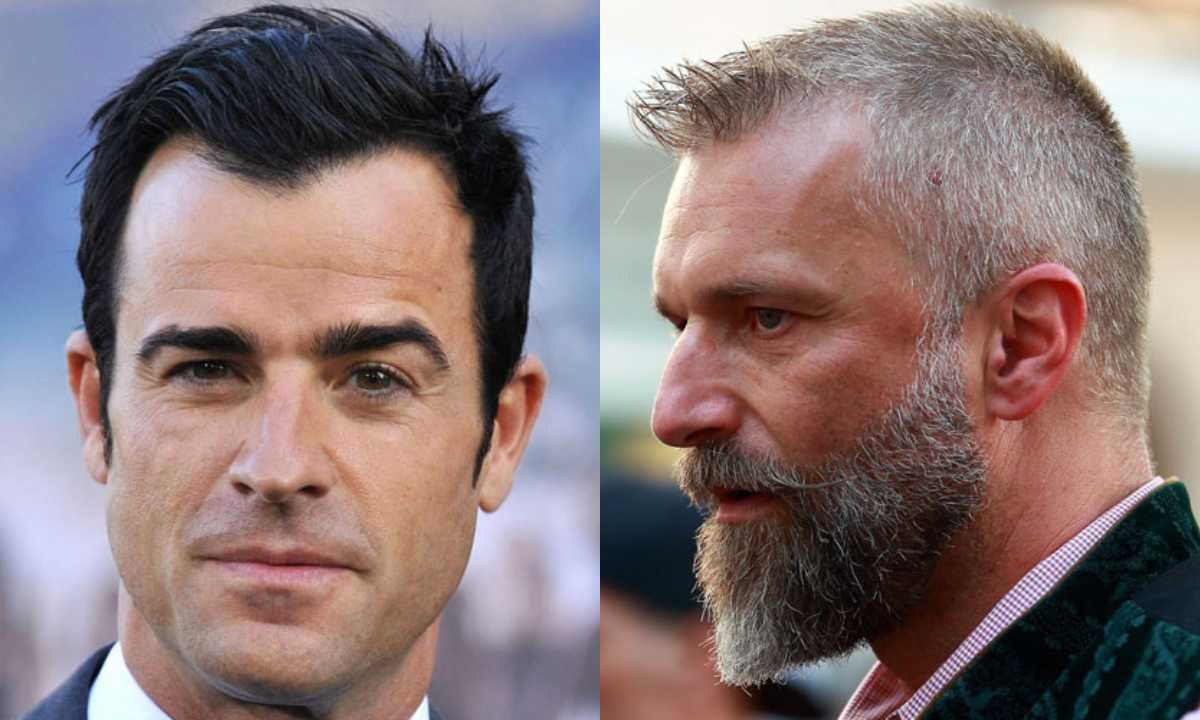
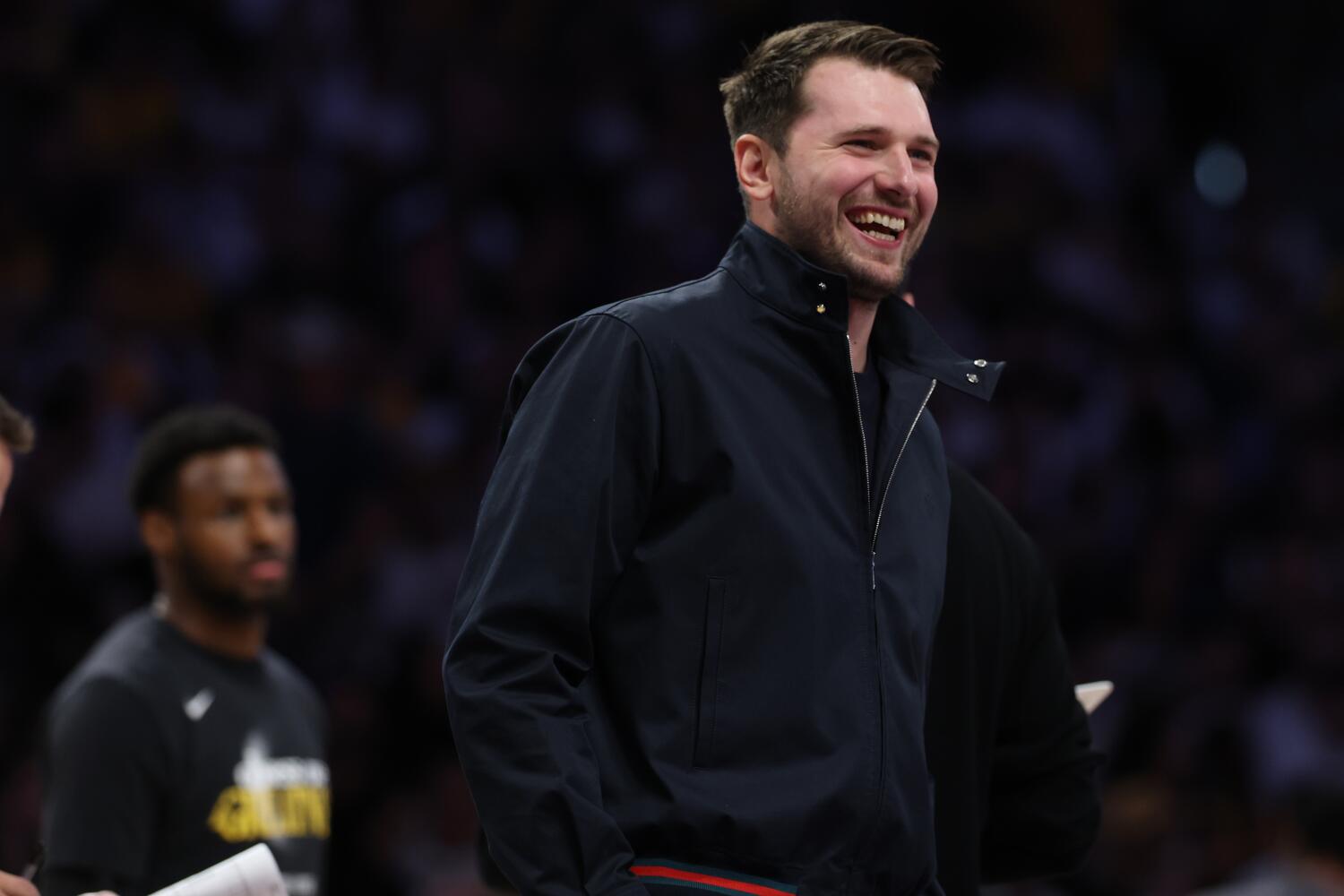
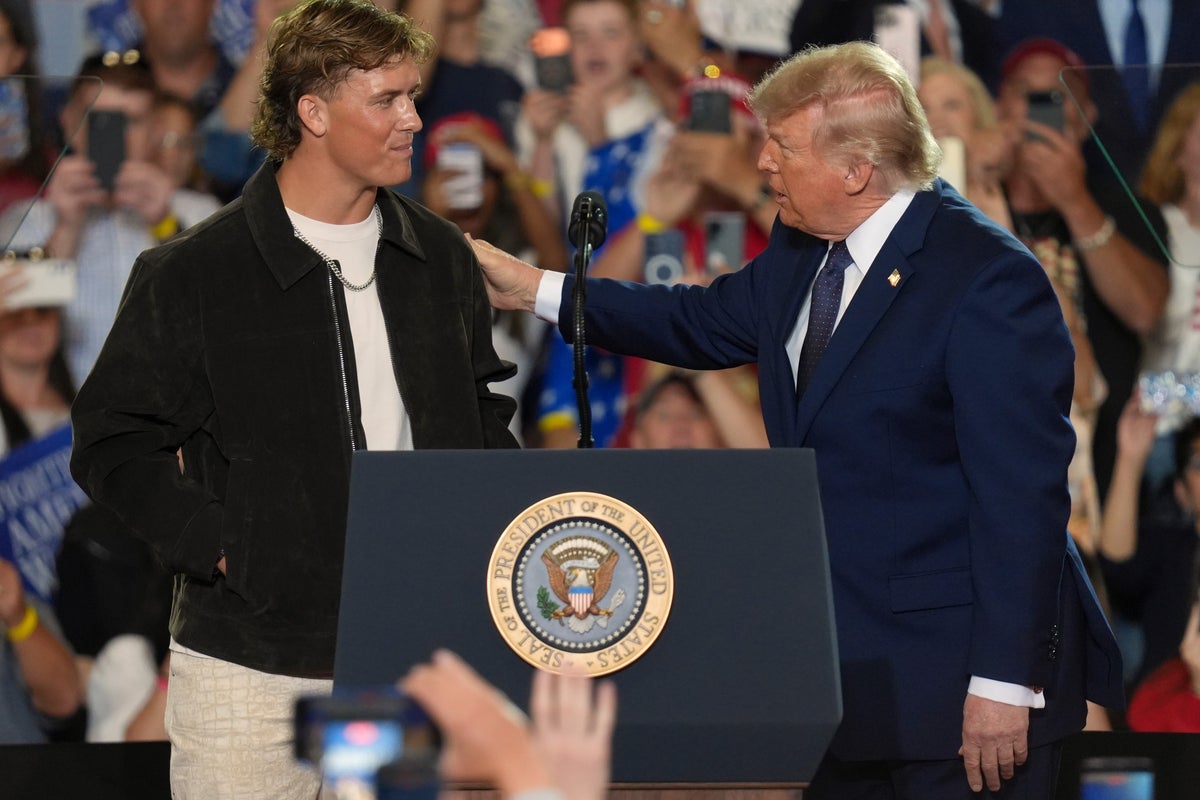
When Abdul Carter stepped forward to double down on his criticism of his New York Giants teammate, Jaxson Dart, it was not just a brief flash of sports-page drama. It was the sound of a structural beam cracking. Dart had publicly thrown his support behind a Donald Trump political rally, a move that ignited a fierce, public pushback from Carter. To the casual observer scanning a social media feed, it looked like standard political bickering transported to a gridiron backdrop.
It is much deeper than that. This is a story about the death of the forced compromise in professional sports, and what happens when the men we ask to form an unbreakable brotherhood realize they view the world through fundamentally incompatible lenses. To explore the bigger picture, we recommend the detailed report by Sky Sports.
The Illusion of the Shared Purpose
Every NFL team is a fragile experiment in forced coexistence. You take fifty-three men from entirely different zip codes, vastly different socio-economic realities, and wildly divergent racial backgrounds, and you compress them into a high-pressure chamber. They are told that their individual identities matter far less than the collective objective.
Consider a standard play on a freezing November afternoon. A quarterback drops back. His survival depends entirely on the split-second reaction of an offensive lineman whose life experiences share absolutely zero common ground with his own. For three hours a week, that disparity is masked by a helmet and a shared uniform.
The trouble begins when the helmets come off.
Jaxson Dart’s decision to align himself with a highly polarizing political movement represents a growing trend among modern athletes who refuse to compartmentalize their personal beliefs for the sake of team chemistry. In an earlier era, players were coached to be blank slates. The prevailing wisdom, famously echoed by legends across various sports, was that every fan buys sneakers, tickets, and jerseys, regardless of their political affiliation. Alignment was a financial liability.
Today, alignment is viewed by many as a moral obligation.
When Carter publicly challenged Dart, he did not just critique a teammate's political preference; he questioned the underlying trust required to function as a unit. For Carter, a political stance is not a passive choice made in a voting booth. It is a statement of values that directly impacts the communities he and many of his peers come from. To see a teammate champion a platform that you believe actively harms your people creates a psychological friction that cannot be easily massaged away by a trainer or smoothed over by a head coach’s speech about focus.
The Weight of the Microphone
The locker room used to be protected by a curtain of journalistic discretion. What was said near the equipment cages stayed there. If two players had a political disagreement, it was settled with raised voices over a card table or in the back of a team charter flight.
Now, every player carries a printing press in his pocket. Every media availability is a potential flashpoint.
When Carter chose to reiterate and stand firmly behind his criticism rather than offering a sanitized, PR-approved walk-back, he signaled a permanent shift in how athletes view their labor. The old guard would whisper about "distractions." Coaches hate distractions more than they hate turnovers. A distraction is anything that forces a reporter to ask a question that does not involve coverage schemes, injury updates, or third-down conversion rates.
But Carter’s refusal to back down suggests that some things are too massive to be categorized as a mere distraction.
Imagine walking into your workplace tomorrow knowing that the person sitting in the next cubicle—the one whose performance directly dictates your annual bonus—actively supports a movement you find deeply objectionable. You still have to answer emails together. You still have to share coffee. Now multiply that tension by a factor of thousands, add eighty thousand screaming fans, and throw in the physical violence of an NFL Sunday.
The emotional tax of that reality is immense. It forces a question that professional sports has tried to avoid for a century: Can you truly trust a man to have your back on the field when you believe his choices threaten your existence off it?
The Corporate Tightrope
Behind every fractured locker room sits a front office paralyzed by anxiety. NFL franchises are massive corporate entities designed to maximize profit while minimizing brand damage. They crave predictability. They love stories about overcoming adversity, about players coming together despite the odds, about the triumph of the human spirit through athletic excellence.
They are utterly unequipped to handle genuine ideological warfare between their star employees.
When these rifts occur, the institutional response is almost always an attempt to minimize the damage. Management tries to frame the conflict as a healthy debate, a testament to the diverse viewpoints within a locker room. They use terms that suggest a polite disagreement over tax policy or civic infrastructure.
But this is not a debate about marginal tax rates.
The tension between Carter and Dart touches on identity, race, power, and the future direction of the culture itself. When a young quarterback like Dart engages with a political movement as polarizing as a Trump rally, he is not just exercising his civic duty in the eyes of his detractors; he is signaling an alignment with a specific set of cultural battles. When an influential defender like Carter calls him out, he is drawing a line in the turf.
The front office can issue all the neutral press releases they want. They can talk about mutual respect and open dialogue until they are blue in the face. But you cannot corporate-speak your way out of a fundamental clash of convictions. The cracks remain, visible to anyone who knows where to look.
The Fragmented Brotherhood
The most significant casualty of this shift is the myth of the sports brotherhood. We have been sold a romanticized version of the athletic experience for generations—the idea that the locker room is a magical melting pot where all societal ills are washed away by sweat and shared sacrifice. It was a comforting narrative because it suggested that if these men from different worlds could find common ground, perhaps the rest of the country could too.
That myth is dead.
The reality is that the locker room is not an island cut off from America; it is a mirror of it. It is just as divided, just as tense, and just as exhausted by the relentless tribalism of the modern era as any town hall, corporate boardroom, or Thanksgiving dinner table. The only difference is that athletes are forced to perform their fracture on a stage lit by stadium floodlights and scrutinized by millions of people.
Carter’s double-down is a declaration that the jersey is no longer a blank check for immunity. It means that playing the game at the highest level does not require you to mute your conscience or ignore the actions of the people sharing your huddle. It is an uncomfortable, messy, and deeply human stance.
The next time the Giants take the field, cameras will undoubtedly pan to the sidelines, searching for a telling glance between a quarterback and his defender. Analysts will analyze body language. Commentators will wonder if the chemistry has been ruined.
But the real story isn't about whether they win or lose a football game. The real story is that the locker room has lost its armor, and the men inside are finally forced to look at each other clearly, without the distortion of the helmet.