Florida is moving forward with the execution of Robert Long. It's a case that has haunted the Jacksonville area for over three decades. This isn't just another headline about the death penalty. It's about a crime so depraved it changed how local residents thought about their own safety. Long didn't just kill his neighbor, Mary Sagers. He did it with a level of calculated cruelty that still shocks the conscience of the legal system today.
The state isn't just punishing a burglar. They're carrying out a sentence for a man who chose to use fire as a weapon against a defenseless woman. Sagers was 54 years old when her life was stolen. She lived right next door to the man who would eventually become her executioner.
The Brutal Reality of the 1992 Crime
On a humid night in May 1992, Robert Long broke into Mary Sagers' home. He wasn't there for a friendly chat. He was looking for money and valuables to fund a lifestyle he couldn't afford. When Sagers confronted him, things turned from a simple robbery into a nightmare.
Long beat her. He bound her. But the most horrifying part came next. To cover his tracks and ensure there were no witnesses, he doused the house—and Sagers herself—with an accelerant. He struck a match and walked away. Mary Sagers was still alive when the flames took hold. Medical examiners later confirmed she died from smoke inhalation and thermal burns. Imagine that for a second. The last thing she experienced was the heat of her own home turning into a furnace because of a person she saw every day across the yard.
Legal Hurdles and Decades of Waiting
You might wonder why it took thirty-four years to get to this point. The American legal system moves at a glacial pace when a life is on the line. Long’s defense team spent years arguing about his mental state and the fairness of his trial. They filed appeal after appeal.
Florida’s Supreme Court has been busy. They’ve had to review every minute detail of the 1994 conviction. Most of the arguments centered on whether Long truly understood the gravity of his actions. However, the courts repeatedly found that the evidence of premeditation was overwhelming. He didn't just panic. He made choices. He chose to bring the accelerant. He chose to light the fire.
The death warrant was finally signed by Governor Ron DeSantis. This move signals a continuing trend in Florida’s aggressive stance on capital punishment. For many, this isn't about vengeance. It's about a finality that has been denied to the Sagers family for a generation.
Why This Case Stands Out Among Florida Executions
Florida sees its fair share of violent crime. Yet, the Robert Long case remains a touchstone for prosecutors. Why? Because it hits on the "heinous, atrocious, and cruel" (HAC) aggravator that Florida law uses to justify the death penalty.
When a jury hears that a victim was burned alive, the emotional weight is massive. It's one of the most painful ways to die. The prosecution leaned heavily on the sheer physical suffering Sagers endured. They didn't just talk about the burglary. They talked about the minutes she spent gasping for air in a room filled with black smoke while her skin blistered.
The Impact on the Jacksonville Community
Jacksonville in the early 90s was a different place. It felt smaller. Neighbors looked out for one another. That sense of security evaporated after the Sagers murder. It showed that the person living twenty feet away could be a predator.
I’ve looked at the old court records. The testimony from neighbors back then was chilling. They described Long as someone who seemed "off" but mostly kept to himself. Nobody predicted he’d be capable of such an atrocity. It serves as a grim reminder that you never truly know what's happening behind closed doors.
What Happens During a Florida Execution
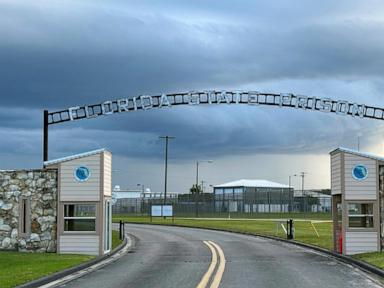
The process at Florida State Prison in Raiford is clinical. It's a stark contrast to the chaos of the crime itself. Long will be moved to a death watch cell. He'll get a last meal. He'll have access to a religious advisor.
Then comes the lethal injection. Florida uses a three-drug cocktail designed to sedate, paralyze, and then stop the heart. Proponents say it’s humane. Critics argue it can cause "air hunger" if the first drug doesn't work perfectly. Regardless of where you stand on the ethics, the state is committed to this outcome.
The Finality of the Death Warrant
There’s no turning back once the Governor signs that paper. Unless a last-minute stay is granted by the U.S. Supreme Court—which is rare in cases this old—Robert Long’s time is up.
For the family of Mary Sagers, "closure" is a word people use far too often. You don't get closure when your mother or sister is murdered. You just get an end to the legal circus. You get a day where you don't have to check the news to see if a new appeal was filed.
If you're following this case, pay attention to the final statements. They often reveal whether a prisoner has found remorse or remains defiant until the end. Most people in Jacksonville just want it to be over. They want the name Robert Long to fade into the archives so they can finally focus only on the memory of the woman he killed.
If you want to stay informed on the specific timing of the execution or read the full case transcripts from the Florida Supreme Court, you can access them through the Florida Department of Corrections public portal. Keeping an eye on the state’s execution calendar provides the most accurate updates as the date approaches. Check the official death row roster to see the status of other high-profile cases currently in the appeals process.