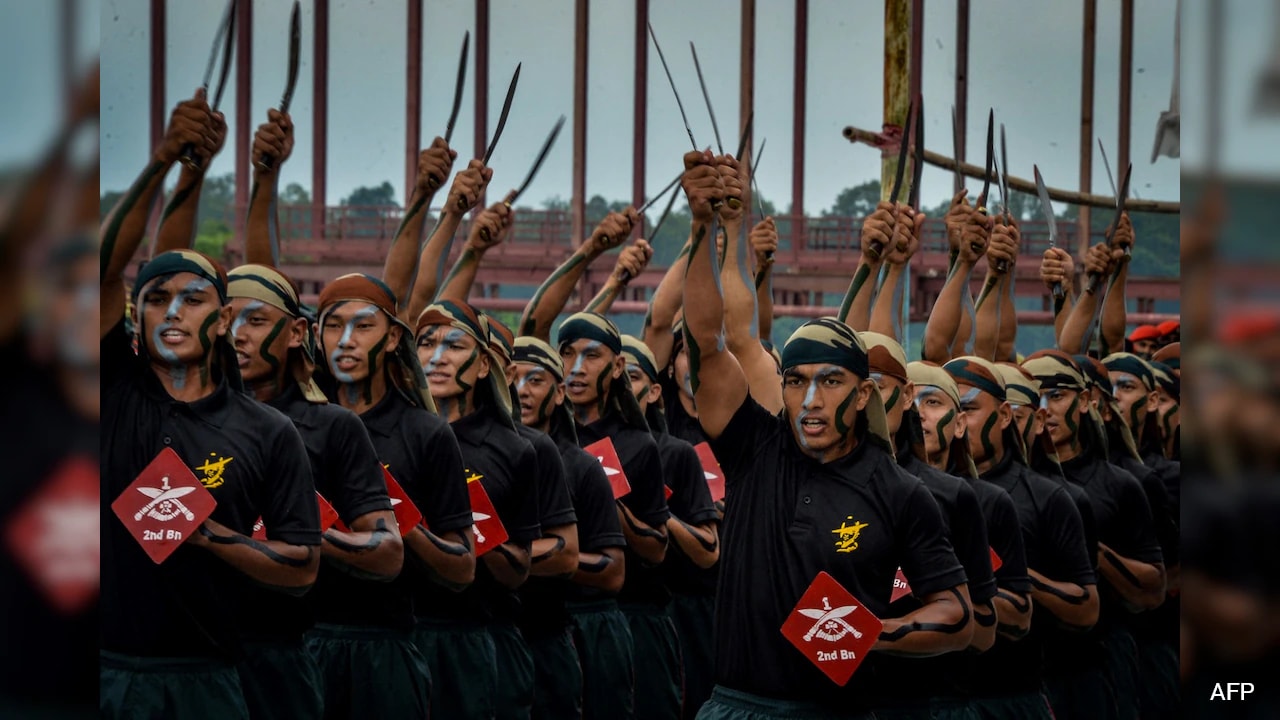
The headlines out of Pokhara scream a familiar, lazy narrative. Young Nepali aspirants and retired Gorkha veterans are marching in the streets, demanding that Kathmandu drop its blockade against India's Agnipath military model. Their core argument is simple, visceral, and widely repeated across the media: trading a life of grueling, low-wage construction work in the Gulf states for a four-year stint as an Indian Army Agniveer is a no-brainer.
The media loves this framing. It is neat. It is emotional. It pits the romantic, razor-sharp heritage of the Gorkha soldier against the brutal, sweat-soaked reality of desert labor camps.
Except it completely misses the point.
By framing this geopolitical standoff as a simple choice between a rifle and a scaffolding job, commentators are asking the wrong question entirely. They are treating a structural employment crisis as a lifestyle preference. Let us strip away the sentimentality and look at the hard, unvarnished mechanics of what is actually happening.
The Flawed Logic of the Lesser Evil
The mainstream argument rests on a dangerous logical trap: because a four-year military contract offers better starting capital and prestige than digging trenches in Doha, it must be defended at all costs. Veterans groups estimate a young recruit can pull in a respectable lump sum over a short tenure, which beats scraping by on minimum wage abroad.
This is a race to the bottom disguised as career counseling.
When you compare any option against the absolute floor of exploitative low-wage overseas labor, anything looks attractive. But evaluating a state-level military recruitment policy through the lens of escaping the Gulf is economic illiteracy. The 1947 Tripartite Agreement was never built on the premise of providing emergency stopgap jobs for youths who missed out on domestic employment. It was structured around long-term security, institutional pensions, and generational stability.
Dropping those standards just because local job markets are dry is a short-sighted surrender.
The State Paradox Nobody Wants to Name
Let us look at Kathmandu's hesitation. Critics love to paint the Nepali government as an obstructive bureaucrat standing in the way of ambitious youth. But look closer at the state's underlying anxiety.
Under the short-term military contract model, three out of four recruits are shown the door after four years. They return to their hill villages in their early twenties—young, highly disciplined, intimately familiar with advanced weaponry, and completely devoid of a long-term pension.
Imagine a scenario where thousands of armed, combat-trained young men are ejected back into a domestic economy incapable of absorbing them. That is not an employment strategy. That is a security time bomb.
The Indian military establishment insists on uniformity—claiming that a policy built for its own citizens must apply identically to foreign nationals. Meanwhile, Nepal is asked to absorb the long-term socioeconomic fallout of a truncated military lifecycle. Both sides are playing hardball, and the young aspirants caught in the middle are being fed a comforting illusion that four years of service solves a lifetime of structural stagnation.
Dismantling the Pension Myth
For generations, the Gorkha name meant something permanent. It meant a livelihood anchored by a steady pension that sustained entire villages across the western hills of Nepal. Remittances and pensions formed the backbone of local economies.
The short-term contract model shatters that architecture. It replaces a generational safety net with a severance check.
When veterans argue that this temporary gig is superior to a Gulf contract, they are conceding defeat on behalf of the next generation. They are admitting that the gold standard of Himalayan military service has been reduced to a glorified temp job. Accepting a temporary uniform because the alternative is a hostile desert is not victory. It is settling for a managed decline.
The protests in Pokhara are fueled by desperation, not strategic vision. Until Kathmandu and New Delhi stop treating this historic military relationship as an administrative hurdle to be bypassed, young Nepalis will continue to fight for the right to take whatever scraps are thrown their way—whether it is laying bricks in the desert or carrying a rifle for just long enough to be useful, then discarded.
Stop praising the race to the bottom. Fix the economy at home or demand the dignity your history actually commands.