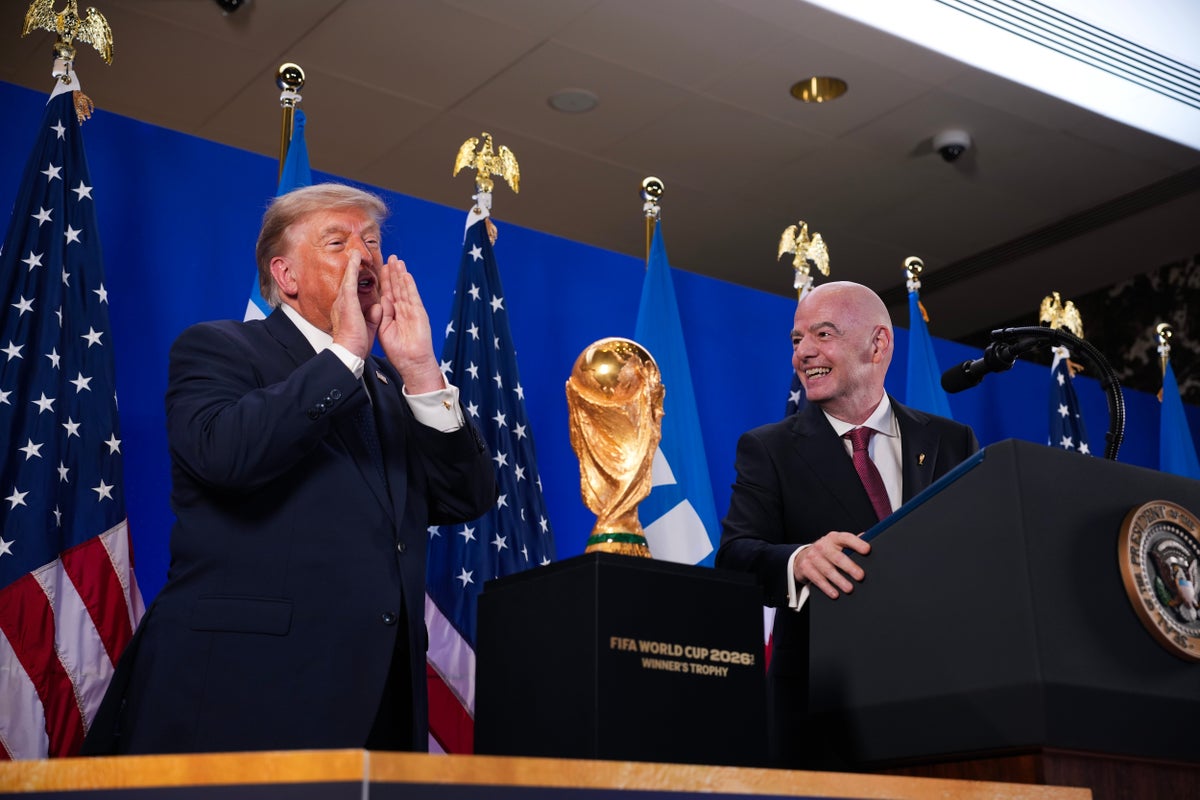
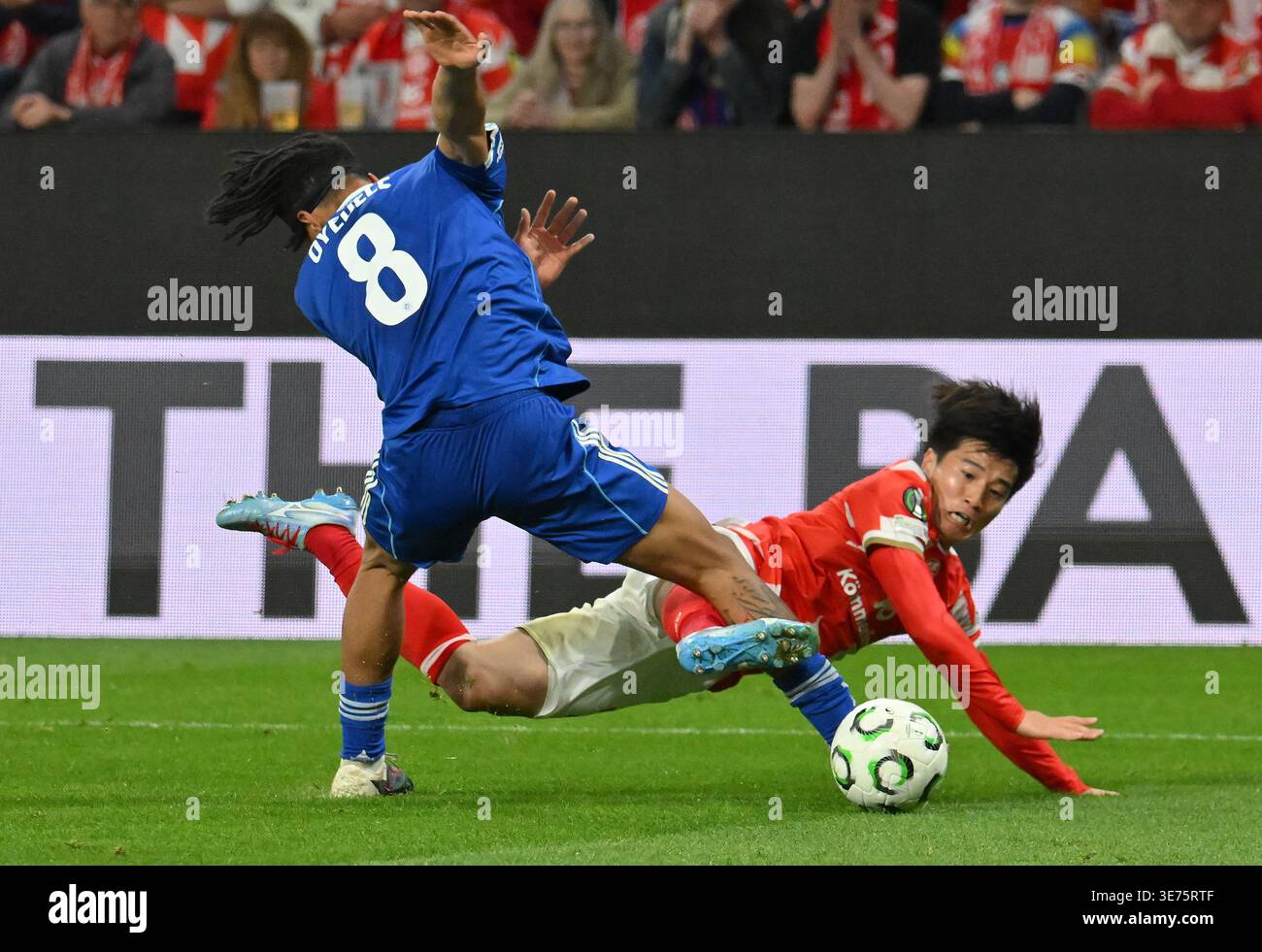
Purists are going to absolutely hate this, but soccer just took its biggest step yet toward total Americanization.
When either Spain or Argentina lifts the trophy at MetLife Stadium this Sunday, the players won’t just be getting the traditional gold medals draped around their necks. For the first time in the 96-year history of the tournament, FIFA will hand out US-style championship rings to the world champions. For a different look, check out: this related article.
It’s flash. It’s heavy gold. It’s pure North American sporting culture injected straight into the veins of the global game.
If you’re wondering why FIFA is suddenly acting like the NFL, the answer is simple. The governing body wants to capture the American sports imagination, and they’re using the backdrop of this three-nation tournament across the US, Canada, and Mexico to do it. But while Lionel Messi or Lamine Yamal might look incredibly cool sporting a giant, diamond-encrusted ring, the decision is already sparking fierce debate among fans who think the iconic gold trophy should be the only prize that matters. Further analysis on the subject has been published by Bleacher Report.
The Anatomy of a Blinged Out World Cup
Let’s talk about what these things actually look like. FIFA isn't holding back on the design, partnering with luxury creators to make something that rivals a Super Bowl or NBA Finals ring.
The rings are crafted from solid gold and topped with deep blue gems. Engraved across the bezel are the words "FIFA World Cup 2026 Champions". One side features an intricate carving of the actual World Cup trophy, while the other side will be completely customized with the logo and identity of either Spain or Argentina, depending on who wins Sunday’s blockbuster.
The logistics on pitch will look like this:
- The Final Whistle: The winning captain and head coach will receive temporary replica rings right during the on-field trophy presentation so the cameras can catch the moment.
- The Custom Fit: After the confetti settles, the 30 players and staff members will have their fingers sized.
- The Delivery: Individually numbered, bespoke gold rings will be forged and delivered to the squad later.
The 2,026 Scarcity Play
FIFA isn't just doing this to honor the players. They’ve also figured out a massive commercial angle.
Only 2,026 of these rings will ever exist. While 30 go straight to the winning team, the remaining 1,996 rings are being put up for sale to the general public as official licensed merchandise.
Don't expect to just log onto a website and buy one with a credit card, though. Because of the extreme scarcity, FIFA is releasing the fan rings through a global lottery system. Every single piece comes with an official certificate of authenticity and a unique serial number matching the 2,026 tournament year. Rumors are already swirling about the price tag, and collectors are expecting the secondary market values to skyrocket into tens of thousands of dollars almost instantly.
Aggressive Americanization or Natural Evolution?
Honestly, this shouldn't surprise anyone who has been paying attention to how FIFA has run this cycle. From adding mandatory hydration breaks that look suspiciously like TV commercial windows to expanding the tournament to a massive 48-team field, the blueprint has been clear: make soccer look and feel more like prime-time American entertainment.
European and South American traditionalists are already crying foul on social media, claiming that a medal and a trophy are sacred. In global football, the shirt and the medal are the ultimate symbols. Rings belong to the NBA and the NFL.
But talk to younger fans, and the sentiment flips. Rings are wearable. You can't walk around the street wearing a winner's medal without looking ridiculous, but a custom championship ring is the ultimate cultural flex. Players like Paul Pogba famously bought custom rings for his French teammates after their 2018 triumph, paying out of his own pocket because he loved the American tradition so much. FIFA essentially looked at that and realized they were leaving money and marketing clout on the table.
What This Means for Sunday's Epic Final
The narrative layer here is incredible. Sunday's match at MetLife is already billed as a generational passing of the torch. You have 39-year-old Lionel Messi trying to secure back-to-back world titles for Argentina in what is surely his international swansong. On the other side, you have 19-year-old Spanish prodigy Lamine Yamal, the teenager who has taken the tournament by storm.
The poetic irony? MetLife Stadium is the exact same building that hosted Super Bowl XLVIII. It's a venue built for American gridiron spectacle, now hosting a traditional soccer final that is adopting a gridiron reward.
Whether you love the idea or think it's a cheap marketing gimmick, the championship ring is officially part of soccer lore now. If you want a piece of this historic shift, get your name into the FIFA merchandise lottery before the final whistle blows on Sunday, because once those 1,996 fan rings are allocated, you’ll be paying a fortune to get one off a collector.