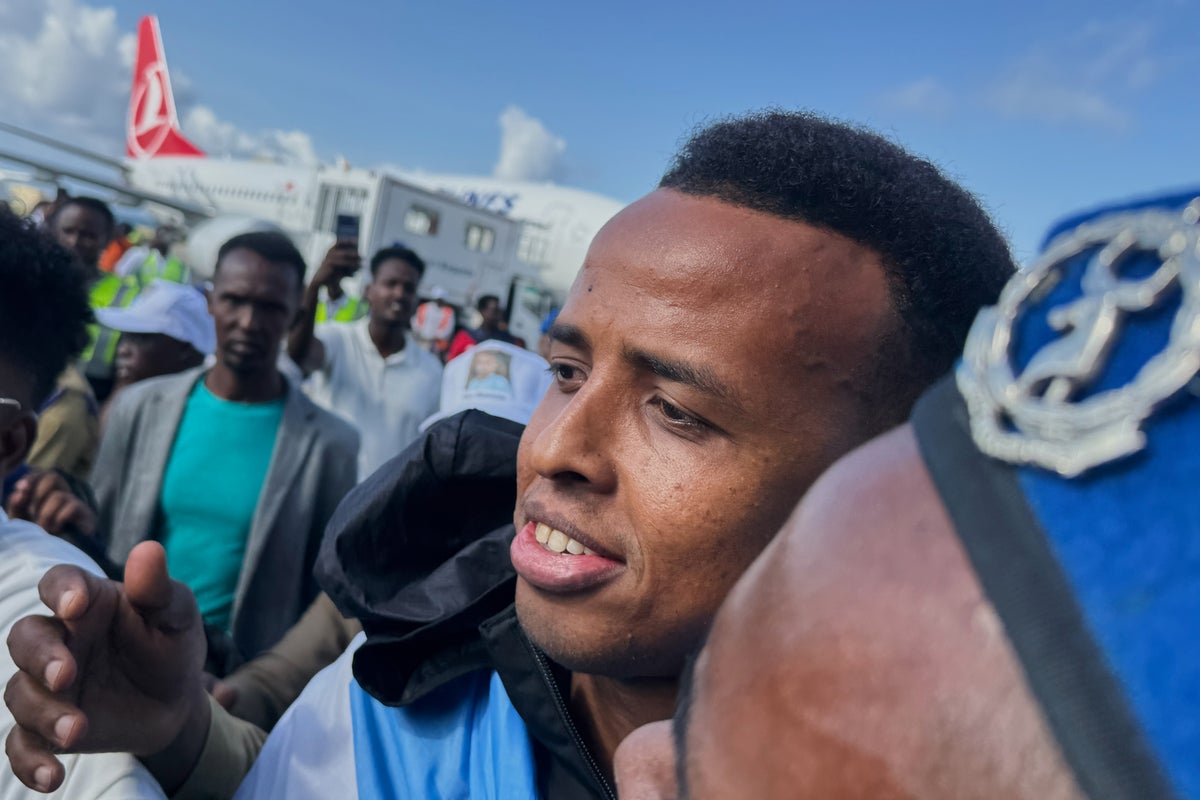
The internet is currently having a collective meltdown over the news that Somali referee Omar Artan will pocket his entire tournament fee from FIFA despite being denied entry to the United States.
The mainstream sports press is running its usual play: painting this as another example of bloated sporting bodies burning cash on bureaucratic failure. They see a guy getting paid to sit on his couch while a tournament runs without him, and they cry foul. They think FIFA got fleeced.
They are completely wrong.
Paying Omar Artan isn’t a mistake. It is a calculated, cold-blooded necessity of modern sports governance.
When you look at the mechanics of elite sports officiating, honoring this contract isn't an act of charity or a sign of weak negotiation. It is a masterclass in risk mitigation. The real blunder would be doing the exact opposite.
The Illusion of the Freelance Referee
Most fans and low-tier sports writers look at referees as highly paid gig workers. They think if a ref doesn't show up to the stadium, whistle in hand, they shouldn't get paid.
This view ignores how global sports contracts actually operate.
Elite officials at this level aren't Uber drivers. They don't just log into an app and hope for a shift. They sign exclusive, high-stakes retainer agreements months, sometimes years, in advance. When FIFA selects a referee for a major tournament, they aren't just buying 90 minutes of labor on a pitch. They are buying complete exclusivity, months of rigorous physical preparation, psychological training, and absolute compliance with strict anti-corruption protocols.
I have spent years analyzing the back-end infrastructure of sports federations and handling corporate risk logistics. When an organization like FIFA locks in an asset, they take that asset completely off the market.
Omar Artan couldn't just go referee a lucrative domestic league or take on corporate sponsorships during this window. His calendar was legally cleared for one entity.
Why Enforcing "No Work No Pay" Destroys the System
Imagine a scenario where FIFA decides to play hardball. They implement a strict "no pitch time, no paycheck" policy for visa denials or geopolitical administrative roadblocks.
Here is what happens next:
- The Talent Drain: Top-tier international officials from developing nations or politically volatile regions will stop prioritizing FIFA tournaments. Why risk months of unpaid preparation and turn down guaranteed domestic income if a rogue border control agent can void your entire paycheck?
- The Integrity Nightmare: A referee who isn’t guaranteed financial security is a massive liability. The entire global sports betting market hinges on the absolute financial insulation of match officials. If you tell a referee that they might lose their entire tournament purse due to a visa technicality, you create financial desperation. Desperation is the exact vector match-fixers exploit.
- The Legal Precedent: International labor law isn't a joke. If a contractor is ready, willing, and able to perform their duties, but the employer fails to secure the necessary geopolitical access or environment to host them, the liability almost always falls on the employer.
FIFA paying Artan his full fee isn't "burning money." It is insurance. It keeps the referee pool loyal, compliant, and insulated from external financial pressures.
The Visas Are FIFA's Job, Not the Official's
The lazy narrative says Artan failed to get into the US, so it’s his fault.
Let's look at how international sports visas actually function. An individual referee from Somalia does not just walk into an embassy alone and ask for a tourist visa to referee a multi-billion-dollar tournament. The hosting organization and the governing body handle the institutional visa sponsorship pipelines.
If a visa gets rejected or delayed in the current geopolitical climate, it is almost always a failure of the macro-political machinery, not the individual.
When a corporate entity hires a consultant to do work in a foreign office, and that corporate entity fails to clear the bureaucratic hurdles to get the consultant past the border, the consultant still bills for their blocked time. They cleared their schedule. They did the prep work.
The Hypocrisy of the Backlash
Nobody blinks when a star striker tears an ACL in pre-season and collects $300,000 a week while sitting in a luxury box for ten months. We accept that guaranteed contracts are the price of doing business at the highest level of sport.
Yet, when a match official—the literal infrastructure holding the game together—is protected by the same contractual guarantees, everyone loses their minds.
Let's break down the actual cost breakdown of a FIFA referee fee relative to tournament revenue.
| Metric | Estimated Value |
|---|---|
| Average Tournament Purse per Lead Ref | $50,000 - $70,000 |
| Total Expected Tournament Revenue | $4+ Billion |
| Cost of Ref Fee as % of Revenue | ~0.0015% |
To FIFA, paying out Artan’s fee is the financial equivalent of a normal person dropping a nickel down a storm drain. Trying to claw that money back would cost more in legal fees, union friction, and public relations clean-up than just cutting the check.
Stop Asking the Wrong Question
The public is asking: "Why is FIFA wasting money on someone who didn't work?"
The real question you should be asking is: "Why is the international visa system for global sports icons so broken that a top-tier official can't get into a host country?"
That is the actual systemic bottleneck. The flaw isn't the contract; it’s the infrastructure of the host nations. If global sporting events are going to be hosted across multiple borders, the absolute minimum requirement is a bulletproof diplomatic corridor for all participants, coaches, and officials.
If you want absolute perfection on the pitch, you have to guarantee absolute security off it. FIFA understands this. The critics don't.
Stop looking at the check and start looking at the chess board. FIFA didn't lose this round. They just paid the premium on a system that keeps the entire multi-billion-dollar machine from collapsing into chaos.
Pay the man. Move on.