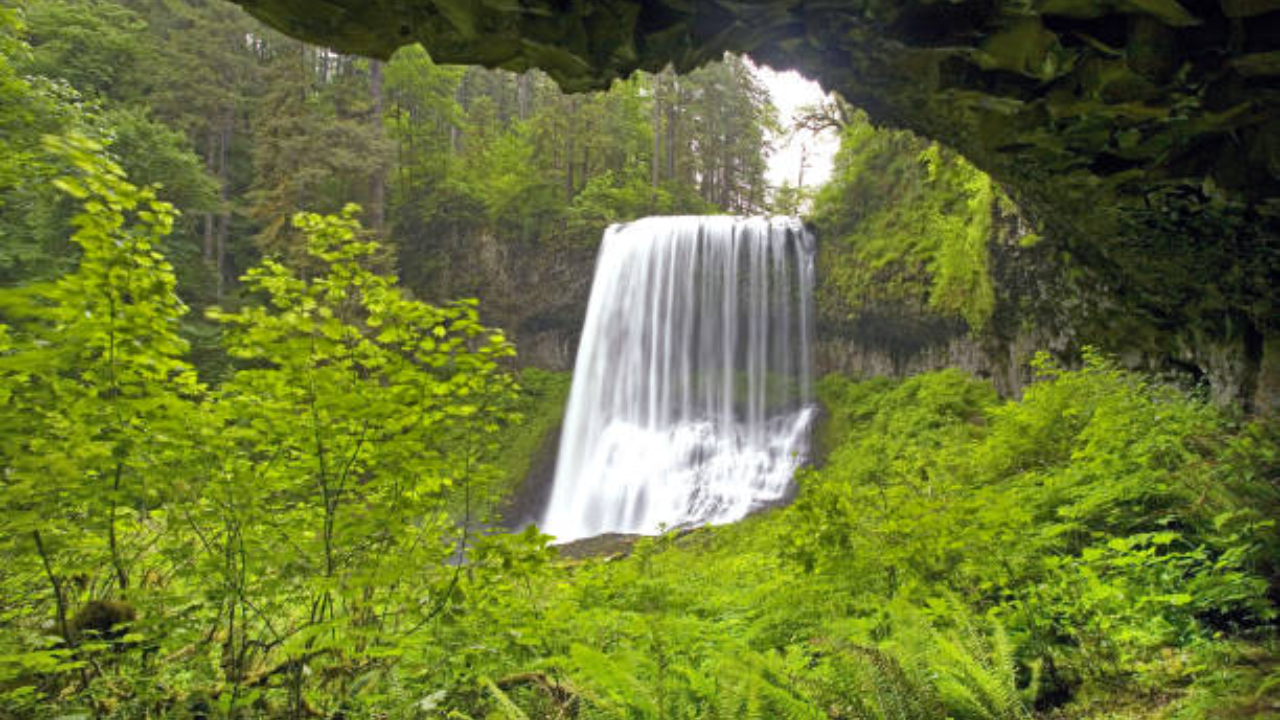
A twenty-year-old tourist died after plunging one hundred and seventy feet from a waterfall while attempting to position herself for a photograph, a tragedy that lays bare an increasingly lethal intersection between modern recreational tourism and social media hyperfixation. The incident, which highlights the mounting human cost of chasing aesthetic validation in dangerous wilderness settings, occurred at a popular natural landmark where safety barriers often compete with the desire for unobstructed camera angles. Every year, emergency responders pull hundreds of individuals from steep ravines, jagged coastline drop-offs, and unstable cliff edges. The underlying catalyst is rarely a simple lack of common sense. Instead, it is a complex behavioral shift driven by digital culture, where the compulsion to capture a breathtaking frame consistently overrides basic self-preservation instincts.
The Mechanics of Visual Risk Assessment
Human beings are poorly equipped to evaluate environmental danger through the lens of a smartphone screen. When a person looks at a landscape through a digital viewfinder, the brain experiences a psychological distancing effect. The physical reality of a sheer drop, roaring water, and slippery rock transforms into a two-dimensional composition that feels curated, distant, and manageable.
Wilderness safety experts refer to this phenomenon as visual framing bias. Photographers and casual smartphone users alike step past warning signs, bypass secured viewing platforms, and edge onto precipitous ledges because the viewfinder flattens depth perception.
- The screen removes peripheral hazards from immediate conscious awareness.
- The desire to center a subject creates a tunnel vision effect focused entirely on composition.
- Digital validation loops encourage individuals to push past previously established personal comfort thresholds.
Statistics compiled by public safety agencies and wilderness rescue teams indicate a sharp upward trajectory in fall-related fatalities at scenic destinations over the past decade. Parks that once recorded a handful of minor injuries annually now deploy full-time rescue personnel to manage individuals who underestimate unstable terrain. The environment has not changed. The human interaction with that environment has fundamentally transformed.
The Architecture of Dangerous Tourism Destinations
Natural landmarks are experiencing unprecedented visitor volumes. Infrastructure designed for a quieter era of tourism now strains under the weight of crowds seeking specific, highly publicized viewpoints. When every visitor arrives with the explicit goal of replicating an image seen online, bottlenecks form around dangerous vantage points.
Park rangers and land managers face an impossible operational dilemma. Heavy-handed safety measures, such as tall chain-link fences and concrete barriers, draw intense criticism from visitors who feel natural beauty is compromised by industrial obstruction. Conversely, minimal intervention leaves visitors vulnerable to their own poor judgment.
"People travel thousands of miles to experience untamed nature, yet they demand the safety of an urban sidewalk while standing on the edge of a cliff." — Senior Park Ranger, Pacific Northwest Region
This friction creates a dangerous compromise. Many destinations rely on subtle warning signs and painted rocks to denote safe boundaries. These visual cues frequently fail to register with visitors whose attention is divided between navigating uneven terrain and monitoring livestream feeds or camera settings.
The Psychology of the Digital Trophy
Why do otherwise rational adults and young people take fatal risks for a photograph? The answer lies within the neurochemistry of online recognition. A striking image shared across digital networks triggers immediate social feedback loops. Likes, comments, and shares act as micro-doses of validation.
Over time, the baseline required to capture attention shifts upward. Standard viewpoints captured from behind a guardrail no longer generate the desired engagement. To stand out in an endless stream of visual content, creators feel compelled to push further into the frame, positioning themselves on the outer edge of safety.
- Familiarity Fatigue: Audiences have seen standard vacation photos millions of times.
- The Novelty Trap: Creators must find unique angles, which often means entering restricted or hazardous zones.
- Temporal Urgency: The need to post in real-time prevents individuals from pausing to evaluate environmental risks properly.
This behavior mirrors extreme sports culture, but with a critical distinction. Extreme athletes train for years to manage calculated risks. Casual tourists standing on a wet rock above a hundred-foot drop possess no such preparation. They are performing high-consequence maneuvers with zero margin for error.
Rethinking Public Safety and Personal Accountability
Preventing future tragedies requires more than erecting taller fences or issuing generic warnings. Land management agencies, technology companies, and cultural influencers must address the root causes of hazardous tourism behavior.
First, digital platforms bear a portion of collective responsibility. Algorithms that promote sensational imagery without context encourage copycat behavior. When a platform elevates a photograph taken from a restricted, illegal ledge, millions of users receive a subtle message that the location is desirable, accessible, and safe.
Second, tourism marketing must pivot away from promoting isolated, high-risk vantage points. Destination marketing organizations frequently highlight imagery captured by drone or from dangerous outcroppings, inadvertently setting expectations that visiting tourists attempt to fulfill physically.
The responsibility ultimately rests on the individual, yet the cultural pressures pushing people toward the edge are external and powerful. Until society learns to value the unrecorded moment as much as the digital artifact, the toll on our public lands will continue to mount, measured in preventable tragedies at the base of waterfalls and canyons.