Desperation is a trillion-dollar asset class. When a medical establishment builds a fortress of prohibitive costs, endless waiting lists, and bureaucratic gatekeeping, it creates a vacuum. Black markets do not emerge out of malice; they emerge out of unserved demand.
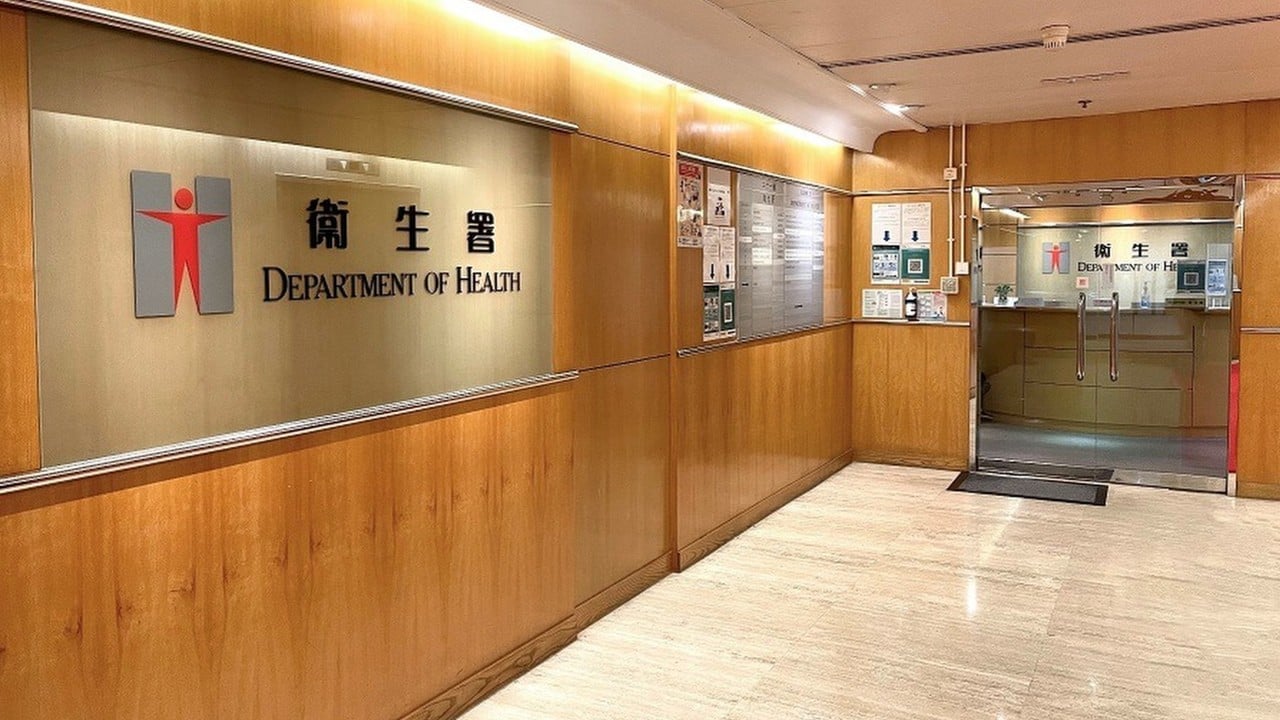
The media loves a neat villain story. Two people get arrested at a Hong Kong clinic for peddling bogus cancer vaccines, and the headlines crow about law enforcement protecting the public from predatory criminals. Everyone nods along, satisfied that the system works.
The lazy consensus says this is a pure story of fraud. Bad actors exploit sick people. Cops catch them. Case closed.
That narrative is dangerously comforting because it lets the legitimate medical establishment off the hook.
I have watched families spend their life savings flying across continents, hunting for experimental immunotherapies that institutional red tape keeps locked away for a decade. When a patient is told they have six months to live, standard-of-care protocols that require three more phases of clinical trials look less like safety measures and more like a death sentence.
Bogus therapies thrive not because criminals are clever, but because desperate people are rational actors calculating that a ten percent chance of an unauthorized shot beats a zero percent chance from a locked hospital door.
The Anatomy of Medical Desperation
To understand why rogue clinics can sell fake vials of saltwater or generic proteins disguised as breakthrough oncology treatments, you have to look at the psychological mechanics of terminal illness.
Traditional oncology operates on population-level data. Clinical trials demand double-blind cohorts, p-values, and years of bureaucratic sign-offs. This protects the institution from liability, but it offers zero comfort to the individual dying right now.
When a patient hears that a revolutionary cancer vaccine exists in a lab in Geneva or Tokyo, but they cannot access it for five years, their risk calculus shifts entirely.
- The Institutional Delay: Regulatory approval cycles measure safety in years, while stage-four cancer measures time in weeks.
- The Financial Wall: Legitimate experimental treatments often require self-funding or out-of-pocket travel costs that rival the price of a luxury home.
- The Information Asymmetry: Patients are expected to navigate dense medical journals while fighting systemic exhaustion.
Black-market operators do not sell medicine. They sell hope. And when legitimate medicine refuses to offer hope outside of rigid statistical models, underground vendors are more than happy to fill the order.
Why Crackdowns Alone Fail
Arresting clinic operators in Hong Kong or anywhere else feels productive. It provides a visual for the evening news. But it treats the symptom while ignoring the systemic failure that feeds the black market.
Every time a rogue clinic gets raided, three more pop up in encrypted chat groups or cross-border intermediaries. You cannot police your way out of a demand crisis.
Imagine a scenario where the pharmaceutical industry and regulatory bodies opened up compassionate-use pathways with the same speed and aggression they applied to emergency vaccine authorizations during global health crises. The black market for bogus oncology treatments would dry up overnight.
People do not risk thousands of dollars on unverified clinic concoctions because they enjoy breaking the law. They do it because the front door was slammed in their face.
The Real Fix
If we want to stop underground scammers from exploiting cancer patients, we have to dismantle the structural bottlenecks that make those scams viable.
First, transparency must become absolute. Patients deserve real-time access to compassionate use protocols without needing a medical degree or a well-connected concierge doctor to translate the bureaucracy.
Second, we need a complete overhaul of how off-label and experimental treatments are evaluated for individuals at the end of the line. If a patient consents to the risk of an unproven therapy when all standard options have failed, institutional paternalism should get out of the way.
The arrests in Hong Kong are not a victory against medical crime. They are a symptom of a broken global healthcare marketplace that punishes desperation and protects paperwork over people.
Stop pretending regulation is a substitute for accessibility.


