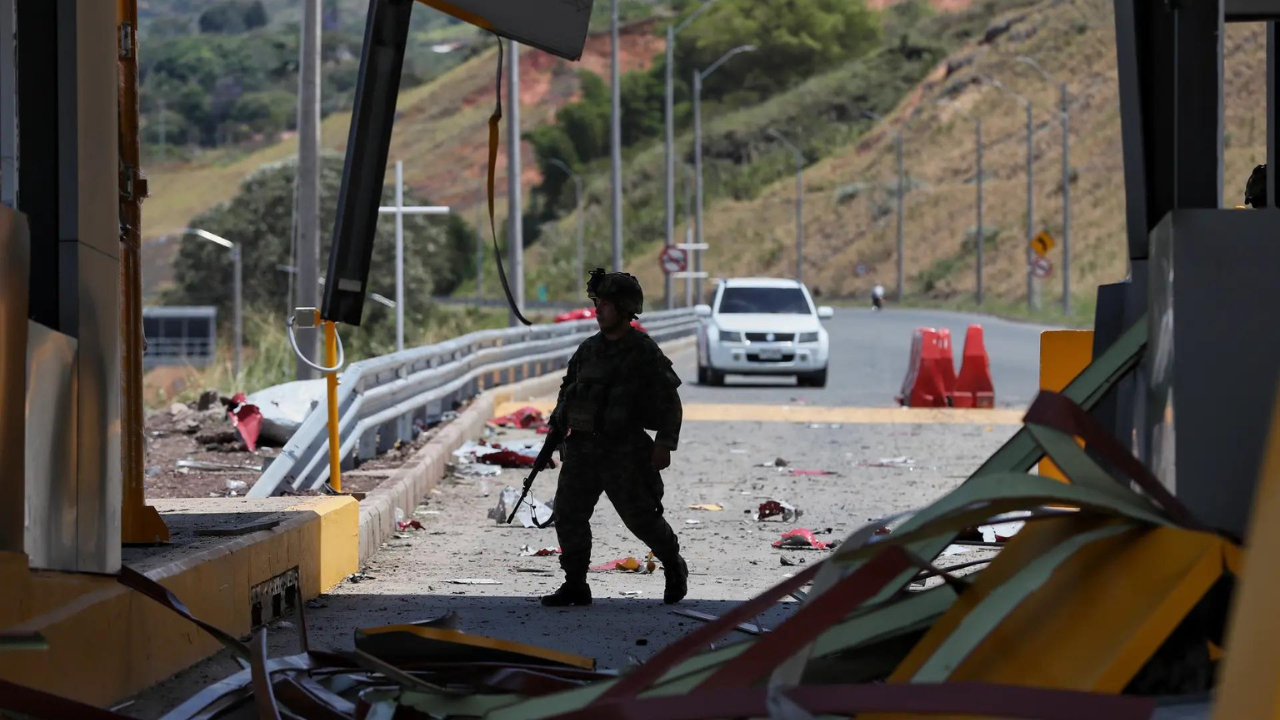
The lazy consensus loves a clean narrative. A new right-wing leader takes power, an explosion tears through a toll plaza on the Pan-American Highway, and the headlines shriek about a democracy under sudden siege. Media outlets frame the carnage as a shocking wake-up call for Abelardo de la Espriella's freshly minted administration.
They have it entirely backward.
This was not an unexpected escalation. It was an accounting reconciliation. When a state shifts from subsidized appeasement to absolute confrontation, the cartels and FARC dissident factions do not fold their tents; they send an invoice. The car bomb in southwestern Colombia wasn't a tactical maneuver to test a new executive. It was a market correction executed by commodity cartels trying to protect their profit margins.
The Myth of the Surprise Attack
Mainstream analysts love to treat insurgency as pure ideology. They parse political speeches, weigh the rhetoric of incoming conservatives against outgoing leftists, and act as if a bomb detonates because someone hurt someone else's feelings.
Wake up. The drug trade in the Cauca and Valle del Cauca departments is a multi-billion-dollar enterprise operating on logistics, supply chains, and territorial control. Under the previous administration's lax frameworks and endless peace talks, these groups bought time, consolidated coca yields, and institutionalized their supply lines.
When a administration steps in and immediately starts transferring high-profile operatives to maximum-security lockups while cutting off state-sanctioned dialogue, the economic reality for these syndicates changes overnight. Their cost of doing business just skyrocketed. The bomb at the toll plaza wasn't a political statement against democracy. It was an expenditure designed to signal that the supply routes remain open, forcing the state to over-deploy resources and bleed capital trying to secure every mile of asphalt.
Dismantling the Negotiation Trap
For years, the conventional wisdom dictated that you can negotiate terrorists into becoming civil servants. History shows this to be an expensive fairy tale. When you offer impunity or endless dialogue to organizations whose entire existence depends on the unhindered movement of cocaine and illicit cash, you do not achieve peace. You achieve a temporary franchise agreement.
De la Espriella’s administration understands the brutal mechanics of this conflict better than the pundits writing from safe distance in Bogotá or foreign newsrooms. You cannot co-exist with cartels that treat sovereign territory as corporate real estate. The decision to immediately crack down on prison networks and reject institutionalized appeasement creates friction. Friction creates explosions.
If you flinch at the first car bomb, you have already handed the ledger back to the traffickers.
The Real Question Nobody Is Asking
The talking heads keep asking: "How will the new president handle the security crisis?"
That is the wrong question. It assumes the crisis is something separate from the transition of power.
The real question is whether the state has the financial and political endurance to absorb the initial wave of retaliatory terrorism without hitting the panic button and returning to the failed negotiation tables of the past. Cartels do not win wars through tactical brilliance; they win when governments grow weary of paying the security bill.
Imagine a scenario where every infrastructure attack is met not with defensive hand-wringing and temporary traffic repairs, but with total financial asphyxiation of the regions harboring the syndicates. That is not cruelty; that is basic economic deterrence.
Colombia is not rocked by an unpredictable storm. It is undergoing a violent detox after years of political enablers serving open bar to narcotics trafficking. The explosions will not stop because everyone holds hands and hopes for peace. They will stop when the cost of launching them bankrupts the people pulling the wires.
Stop treating insurgency like a weather pattern to endure. It is a war of ledgers. Balance the books or get crushed by the math.


