Insider threats rarely look like movie hackers in dark hoodies. Usually, they look like a trusted senior executive forwarding sensitive files to a family member.
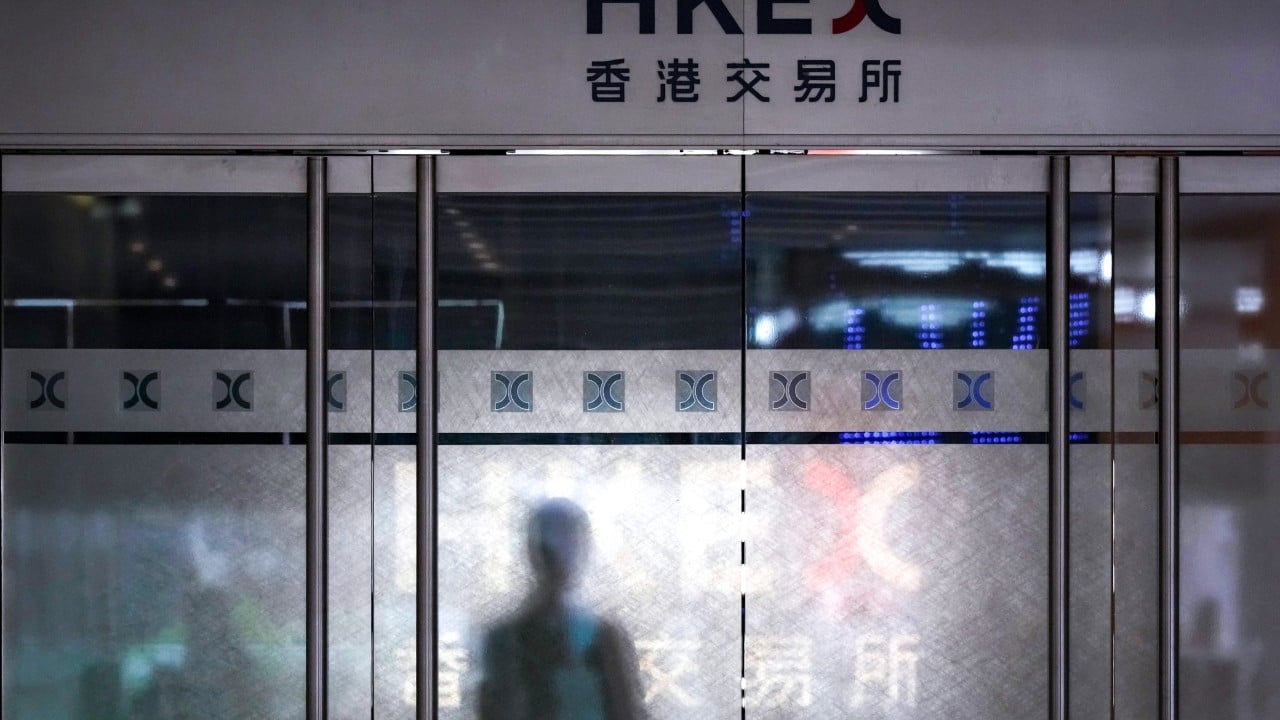
The recent criminal charges brought against a former Hong Kong Exchanges and Clearing Limited (HKEX) vice-president and his mother over alleged unauthorized access to confidential data highlight a massive blind spot in corporate governance. Prosecutors in Hong Kong laid charges relating to obtaining access to a computer with dishonest intent, bringing renewed scrutiny to how financial institutions guard non-public listing information. When a senior insider compromises market integrity, the fallout isn't just a PR headache for the exchange. It shakes investor confidence across the entire Asia-Pacific financial hub.
You can spend millions on perimeter firewalls, yet a single compromised set of executive credentials renders all that hardware useless.
Breaking Down the HKEX Confidential Data Charges
Let's look at what actually happened here. According to court filings and announcements from Hong Kong law enforcement, the former HKEX vice-president worked within the listing division—the exact nerve center where sensitive corporate announcements, initial public offering (IPO) applications, and regulatory filings pass through before the public ever sees them.
Prosecutors allege that confidential data held by the exchange was accessed without proper authorization, implicating both the former executive and his mother. In Hong Kong, cases involving the misuse of corporate IT systems typically fall under Section 161 of the Crimes Ordinance, which covers access to a computer with criminal or dishonest intent.
Why does this specific charge carry so much weight? Because under Hong Kong law, proving insider trading requires a very high evidentiary bar—proving someone traded directly on material non-public information for profit. Charging someone with dishonest computer access targets the breach of trust at the data layer itself. Even if a trade wasn't executed, or if the money trail gets murky across offshore accounts, the unauthorized extraction or viewing of restricted files is enough to land you in the dock.
Why Listing Divisions Are Prime Targets for Leaks
If you've ever worked near capital markets or corporate compliance, you know the listing department of a major stock exchange is basically a vault of market-moving secrets. Before a listed company announces a merger, a profit warning, or a major restructuring, the exchange's regulatory team reviews the draft filings to ensure compliance with listing rules.
That window—sometimes just a few hours, sometimes several days—is pure gold for anyone looking to front-run the market.
Most people assume exchange leaks happen because an external syndicate breaches a server. Honestly, that's rarely how financial espionage works in practice. External hacks leave noisy digital footprints, trigger intrusion detection alarms, and require immense technical skill.
Internal leaks are quiet. A vice-president has legitimate, everyday access to internal portals as part of their job description. When they open a file they shouldn't, or pass details along to a relative like a mother or spouse, traditional security software sees normal user behavior. It doesn't see a thief. It just sees an employee doing their job at 4:30 PM on a Tuesday.
The Family Connection in Financial Crime
Bringing a parent into an alleged data scheme sounds shocking to outsiders, yet regulators see family networks used in market abuse cases all the time.
Think about the mechanics of compliance. Financial institutions and exchanges enforce strict personal trading rules on their staff. Employees must declare their brokerage accounts, get pre-clearance before buying or selling shares, and submit to routine audits. You can't easily buy stock in a company whose IPO file is sitting on your desk without triggering an immediate compliance alert.
So what do bad actors do? They look for proxies.
Using a relative—especially an older family member whose financial accounts aren't automatically flagged by the employer's internal compliance software—is one of the oldest tricks in the book. Compliance teams call these "connected persons." While exchanges require staff to disclose the accounts of spouses and minor children, tracking the trading or data consumption of extended family members, including parents, is vastly harder.
It creates a false sense of security for the insider. They assume the distance between their work terminal and a relative's personal device or brokerage account creates an invisible wall. They forget that modern forensic investigators don't just look at account names; they look at metadata, communication timing, IP addresses, and behavioral anomalies.
How Hong Kong Regulators Track Digital Footprints
The Securities and Futures Commission (SFC) and Hong Kong's commercial crime investigators have spent the last decade upgrading their surveillance capabilities. If you think deleting a browser history or using an encrypted messaging app hides your tracks during an investigation, you're gravely mistaken.
When an anomaly pops up—say, unusual trading volume ahead of a regulatory announcement, or a tip-off from internal audit—investigators work backward from the data logs. Every modern enterprise document management system logs:
- Exact timestamps of when a file was opened, previewed, or downloaded.
- User IDs and terminal locations, showing whether the access happened on-site or via a remote VPN.
- Search queries, revealing if an employee was actively hunting for files outside their assigned portfolio of companies.
That third point is usually what sinks people. A vice-president assigned to oversee tech sector filings suddenly running keyword searches on a pharmaceutical company's confidential restructuring file sticks out like a sore thumb during a forensic audit. There's no legitimate business reason for the query. Once investigators spot that digital trail, obtaining warrants to examine personal phones, bank records, and family connections becomes straightforward.
What Most Companies Get Wrong About Insider Risk
Watching the HKEX case unfold should make every Chief Information Security Officer (CISO) and compliance head uncomfortable. Too many organizations treat data security purely as an IT problem rather than a human behavior problem.
Here's where corporate governance usually fails:
Over-permissioned senior staff. The higher someone climbs on the corporate ladder, the fewer digital guardrails they face. Junior analysts get locked down with strict role-based access controls, while vice-presidents and directors often get broad, unrestricted read access across entire databases just to avoid inconveniencing them. Convenience is the enemy of security.
Static compliance training. Once a year, employees click through a 20-minute slide deck on confidentiality and sign an acknowledgment form. Nobody changes their behavior because of a multiple-choice quiz. Real deterrence requires visible, ongoing monitoring and clear reminders that access logs are actively audited.
Ignoring off-channel communications. Companies lock down corporate email and block USB ports, yet executives still have personal smartphones sitting right next to their keyboards. Taking a photo of a monitor screen bypasses every Data Loss Prevention (DLP) tool ever invented. Unless you restrict device usage in sensitive zones or watermark screens dynamically with the viewer's user ID, physical screen capture remains a gaping hole.
HKEX Reputation and Market Integrity
Hong Kong has worked hard to maintain its status as a premier global financial center, competing directly with New York, London, and Singapore for international listings. Trust is the only currency that actually matters for a stock exchange. International institutional investors won't park billions of dollars in a market if they suspect insiders are front-running announcements or leaking confidential deal terms.
To be fair to HKEX, the fact that this case resulted in formal criminal charges demonstrates that enforcement mechanisms in Hong Kong do function. Sweeping an internal breach under the rug by quietly firing an executive—a path plenty of private corporations cowardly choose to avoid bad press—would have been catastrophic for public trust. Bringing charges, even when it involves a former vice-president, sends a necessary message to the market that nobody sits above the rules.
Still, prosecution is a cleanup operation. It happens after the confidential data has already left the building.
Practical Steps to Lock Down Sensitive Data Now
If you manage confidential corporate information, client deal flow, or regulatory filings, waiting for a compliance breach to audit your internal controls is a terrible strategy. Start tightening your internal defenses today:
- Enforce strict Zero Trust access regardless of rank. Strip away broad "department-wide" viewing rights. If a vice-president doesn't actively manage a specific client file or IPO application, their credentials shouldn't be able to open it. Period.
- Deploy dynamic screen watermarking. Overlay every sensitive document viewer with a faint, recurring watermark displaying the logged-in user's name, employee ID, and current timestamp. Knowing that a smartphone photo of the screen immediately identifies the leaker stops most casual data theft cold.
- Audit search logs, not just downloads. Set automated alerts when employees run search queries outside their assigned sector or access high-sensitivity folders outside normal working hours.
- Expand connected-person disclosures. Review your conflict-of-interest policies to ensure employees understand that passing information to parents, siblings, or friends carries the exact same career-ending and criminal consequences as trading on it themselves.
Build your security assuming your most trusted insider will eventually be tempted to look where they shouldn't.