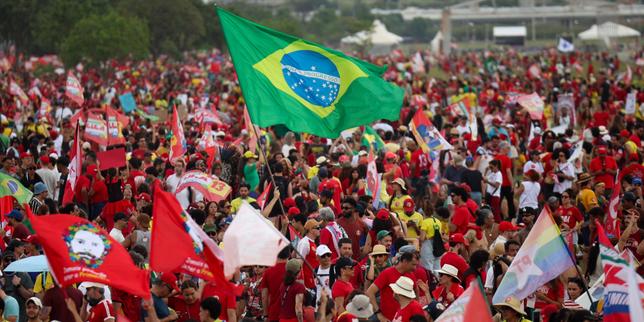
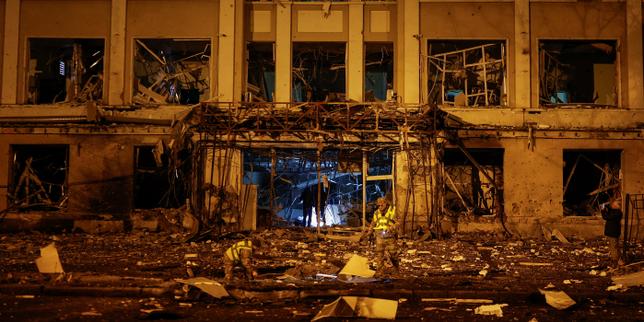
European capitals are bracing for another wave of street anger. Student walkouts in Germany over conscription and living costs, housing strikes in Spain, cost-of-living marches in Italy, and sustained blockades in France all feed the same comfortable story.
Here is the lazy consensus peddled by standard commentary: Europe's youth are staging a grand ideological awakening, and governments just need to listen better, open more youth councils, and pass soothing reforms to calm the streets.
That story is lazy. Worse, it gets the mechanics backward.
Europe is not facing a simple debate over protest management or youth outreach. It is facing a structural collision between an aging, asset-rich political majority and a younger cohort locked out of basic economic milestones—while governments reach for policing, subsidies, or cosmetic "dialogue" that solves almost nothing.
I have watched policy teams and public institutions burn serious money trying to pacify restive constituencies with town halls, branding campaigns, and half-baked grants while leaving the underlying math untouched. You cannot calm a structural squeeze with a focus group.
The Lazy Consensus Around "Youth Protests"
Conventional coverage treats "youth-led protests" as if they were a single coherent movement marching toward a neat policy checklist. One day it is housing affordability. The next it is conscription, tuition, or the cost of groceries. Commentators lump them together as proof of a restless generation demanding a seat at the table.
That framing misses two critical realities.
First, street mobilization is not the same thing as electoral leverage. According to analysis of the 2024 European Parliament elections, voter turnout among citizens under 25 dropped to 36%, down six percentage points from 42% in 2019. Young people can fill a square on a Friday afternoon and still sit out the ballot box when seats are actually allocated.
Second, what looks like a unified generational uprising often splits along class lines. Observers covering student and youth demonstrations have repeatedly warned that visible street actions skew toward university and middle-class youth, while lower-income young workers—who face steeper housing and labor bottlenecks—often have less time, safety net, or institutional access to sustain prolonged protests.
When analysts ask, "How will Europe deal with youth-led protests?", they usually mean: How do officials keep the streets calm without upsetting core voters? That is a crowd-control and public-relations question, not a governance solution.
The Real Math Behind the Anger
To understand how European governments actually respond—and why those responses keep falling short—you have to look at the economic and demographic mechanics underneath the banners.
Housing Is Not a Vibe Issue; It Is Balance-Sheet Math
Across the EU, Eurostat data shows house prices rose 53% between 2010 and 2024, while rents climbed 25% over the same span. In 2025, 9.1% of young Europeans aged 15 to 29 lived in households spending at least 40% of their disposable income on housing, compared with 7.7% of the total population—and in 16 EU member states, the housing cost overburden rate was higher for young people than for the population as a whole.
When entry-level wages cannot keep pace with rent and property prices, protest stops being a hobby for ideologues. It becomes rational pushback against delayed adulthood.
Demographics Rig the Ballot Box
Political scientists studying age and representation—work associated with scholars like Pippa Norris and institutions such as the European Parliament's research services—have long documented how turnout gaps and population aging tilt policy toward older cohorts. Older voters turn out at higher rates and often hold entrenched housing or pension stakes.
So when a prime minister or mayor faces angry twenty-somethings in the streets, the political incentive structure is brutal:
- Cutting rents or building dense housing near job centers threatens incumbent property values and neighborhood veto players.
- Raising taxes on wealth or legacy assets alienates high-turnout voters.
- Offering temporary transport passes, one-off stipends, or youth consultation forums looks active on television without disrupting existing asset holders.
That is why so many European responses feel like theater. They treat symptoms at the margin while protecting the core bargain that favors incumbents.
Imagine a Different Playbook
Imagine a scenario where a European city or national ministry actually stops trying to "manage" youth protests and instead treats them as an early-warning audit of broken bottlenecks.
In that scenario, officials do not launch a new youth hashtag or host another panel in Brussels or Berlin. Instead, they publish a brutal ledger of three things: how many new homes or student beds actually got permitted and built over the past five years, what share of entry-level jobs pay enough to rent a modest studio without roommates, and which zoning or permitting rules slowed construction down.
The moment you put those numbers on a public dashboard, the excuse-making gets harder. You cannot blame "outside agitators" or "generational entitlement" for a multi-year permitting bottleneck.
Four Ways European Governments Actually Respond—and Where Each Fails
When push comes to shove, European authorities generally rely on four playbooks. None of them is a silver bullet.
| Response Playbook | What It Looks Like in Practice | Where It Breaks Down |
|---|---|---|
| Order and Containment | Heavy policing, bans on certain blockades, or troop deployments during severe unrest. | Restores short-term order, but hardens resentment and feeds polarized narratives on both extremes. |
| Targeted Handouts | Student stipends, transit discounts, or emergency cost-of-living relief. | Brings quick relief, yet leaves structural housing and wage bottlenecks untouched. |
| Institutional Dialogue | Youth advisory councils, consultations, and civic exchange programs. | Builds civic literacy and networks, but activists rightly view non-binding talk as a delay tactic. |
| Supply and Structural Reform | Faster housing permitting, labor market reform, and real fiscal trade-offs. | Takes years to show results and triggers fierce pushback from entrenched local interests. |
The Downside of My Own Contrarian Take
Being contrarian is easy when you are sitting on the sidelines. Pushing governments to prioritize structural supply, permitting reform, and honest fiscal trade-offs comes with real downsides that neat commentary glosses over.
Structural reform is slow. A young renter protesting high rent today does not care that a zoning overhaul might add apartments four years from now. Furthermore, aggressive deregulation or rapid construction can trigger real local backlash over infrastructure strain, noise, or displacement if done carelessly. And if governments lean purely on technocratic fixes while ignoring genuine grievances over fairness, security, or representation, they risk looking cold and dismissive.
There is no painless button here. Every path involves trade-offs, and pretending otherwise is just another form of spin.
What Actually Works When Leaders Stop Dodging the Premise
If you are advising policymakers, civic groups, or institutions trying to deal with youth-led protests without turning them into permanent street warfare, stop asking how to "win over" young demonstrators with softer messaging. Start changing concrete incentives:
- Tie public funds to measurable physical and economic outcomes. If public money goes to housing, transit, or education, track completed units, lower cost burdens, and real wage progression—not attendance at consultation workshops.
- Fix the bottleneck between protesting and voting. Mobilization without electoral follow-through burns out activists. Lowering practical voting friction—such as accessible registration and clear information for students and mobile young workers—converts street energy into durable political weight.
- Stop treating every protest as a single cause. Separate genuine material crises like housing and living costs from foreign-policy or security disputes, and address each with tools matched to the actual problem rather than a one-size-fits-all crackdown or speech.
- Tell the truth about time horizons. Voters respect leaders who say, "This bottleneck took fifteen years to build and will take five years to unwind—here are the milestones every six months," far more than politicians who promise instant relief they cannot deliver.
Streets empty out eventually. Structural math does not.