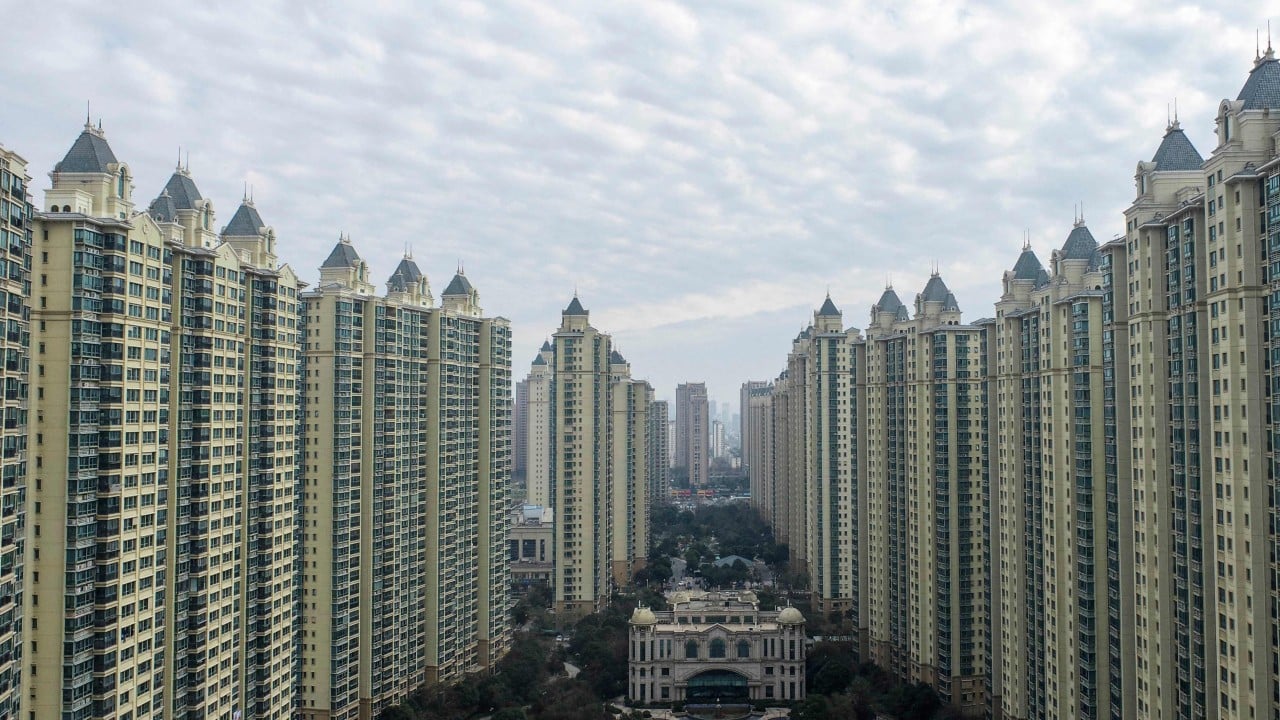
Hui Ka Yan thought he was untouchable. He grew up poor in rural Henan province, rose through the steel industry, and eventually built Evergrande into the biggest property developer in China. At his peak, he was Asia's richest man.
Then came the fall. A Chinese court sentenced Hui to life in prison, confiscating his personal fortune and hammering his former corporate empire with billions in fines. This decision lands right on the heels of ongoing liquidation proceedings that have dragged on since a Hong Kong court first ordered the company to wind down. For a deeper dive into this area, we recommend: this related article.
If you think this is just standard corporate justice, you're missing the bigger picture. This is a total regime shift in how Beijing handles corporate debt and financial fraud.
The Anatomy of a Three Hundred Billion Dollar Collapse
Let's look at the numbers because they are staggering. Evergrande collapsed under a mountain of liabilities estimated at roughly $300 billion. For years, the business model relied on an endless loop of borrowing, land hoarding, and pre-selling apartments before they were built. It worked brilliantly until Beijing pulled the plug on high-leverage property growth. For broader context on this issue, in-depth analysis can be read on MarketWatch.
When the liquidity dried up, the music stopped. Millions of buyers who had put their life savings into unbuilt apartments were left holding empty air. Financial markets panicked. Domestic wealth management products went belly up, sparking rare public protests that rattled state authorities.
The court didn't just target the founder. Over fifty other executives and managers received prison sentences. The main corporate entities, including Hengda Real Estate, caught fines totaling billions. Prosecutors laid out a massive web of financial manipulation, proving that the company inflated its revenues and hid its liabilities for years.
Why the Liquidation is a Nightmare for Creditors
You might assume a court-ordered liquidation means creditors get their money back. It doesn't work that way in reality.
Liquidators have found asset recovery to be painfully slow. Out of tens of billions in creditor claims, only a tiny fraction has been realized through actual asset sales so far. Overseas liquidators are currently fighting tooth and nail to claw back billions in dividends paid out to executives before the crash.
Cross-border legal hurdles make this even messier. Mainland courts and common-law courts in places like Hong Kong operate under entirely different rulebooks. Creditors are looking at meager recovery rates. International bondholders are basically staring at steep write-offs.
Ordinary homeowners face an even harsher reality. Many joined social media groups after the sentencing to voice a grim consensus: ordinary citizens always pay the ultimate cost. The state's priority is rebuilding market confidence and stabilizing the broader economy, not making foreign bondholders whole.
The Message to Corporate Titans
Beijing is drawing a hard line. The era of reckless borrowing backed by the assumption that the government is too big to let anyone fail is officially over.
If you run a massive enterprise today, you can't rely on political connections to bail you out of criminal fraud. The charges against Hui—ranging from illegal fundraising to bribery and falsified securities—show that regulators are willing to strip away the illusion of success entirely.
Property markets across the region are still feeling the hangover. Consumer trust takes years to build and seconds to shatter. People aren't buying off-plan apartments the way they used to. Developers are forced to deleverage, shrink, or pivot to survival mode.
Keep an eye on how asset distribution actually plays out over the next twelve months. The legal battles over offshore accounts will set a precedent for every distressed Chinese asset class moving forward.
Protect your portfolio by steering clear of over-leveraged entities relying on regulatory arbitrage. The rules of the game have changed permanently.
Watch the coverage on the Evergrande developer sentence
This video provides a helpful overview of the court ruling and the immense fines handed down to the developer.
http://googleusercontent.com/youtube_content/1