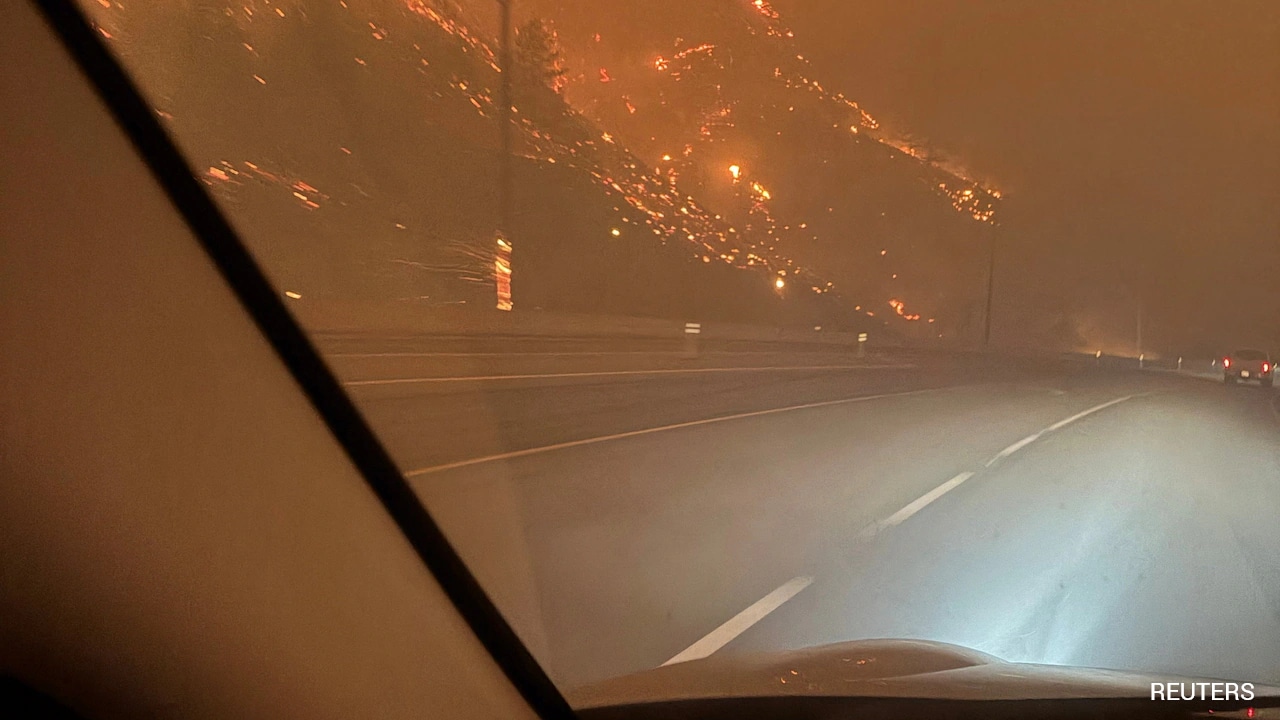
Every single summer, the script plays out with clockwork predictability. Smoke chokes the valleys, politicians don high-visibility vests for emergency press conferences, twenty thousand citizens pack their lives into sedans, and the headlines scream about unprecedented climate wrath. We treat wildfire as an unexpected natural disaster crashing our shores. That premise is garbage.
I have spent years watching emergency management boards panic-react to every spark while ignoring the fundamental structural rot beneath our forestry policies. The lazy consensus says we need bigger air tankers, louder sirens, and faster evacuation orders. That is treating a chronic systemic infection with a band-aid.
The Evacuation Trap
When British Columbia declares a state of emergency, the media frames mass displacement as a heroic logistical triumph. It is not. It is an admission of operational bankruptcy.
Evacuating twenty thousand people is a massive disruption of social capital, local economies, and mental health. Yet municipal leaders treat it as the primary tool in the toolkit. Why? Because moving people creates dramatic television footage. Managing fuel loads on the forest floor does not.
Let us look at the data. Decades of total fire suppression have turned our backcountry into literal gunpowder kegs. When you aggressively stamp out every small, natural low-intensity fire for fifty years, you do not prevent fires. You simply defer them. And when the deferred bill finally comes due, it arrives with astronomical interest.
The Mechanics of Fuel Management Ignorance
Forest ecologist and research chair Dr. Lori Daniels has spent years explaining that our forests are overstocked. There are too many trees per acre competing for dwindling water, creating brittle, drought-stressed timber that acts as kindling.
Instead of aggressively thinning stands, funding Indigenous cultural burning practices, and creating permanent defensible perimeters around communities, governments spend billions on suppression after the smoke is already billowing.
Imagine a business model where a company refuses to perform basic preventative maintenance on its machinery, waits for the factory to explode every single year, and then throws a parade for the fire department. You would fire the CEO on the spot. Yet we re-elect politicians who run this exact playbook with our public lands.
Dismantling the Panic Economy
The current emergency response model generates a booming industry of contractors, consultants, and equipment rentals who profit directly from crisis management. There is a perverse incentive structure at play. If you fix the forests, the emergency budgets shrink.
We need to stop asking how fast we can empty a town and start asking why the town was built like a tinderbox in a high-risk zone without adequate firebreaks.
The standard public inquiry after every major fire season produces hundreds of pages of recommendations that sit on dusty shelves. They call for better communication channels and more helicopters. They refuse to touch the third rail of land-use planning and timber management reform because it upsets lumber lobbies and short-term municipal tax projections.
The Uncomfortable Trade-Off
My contrarian prescription is harsh, and it comes with real downsides.
If we pivot to proactive forest management, controlled burns will foul the air in July. Residents will complain about smoke when there is no active threat. Controlled fires occasionally escape; that is the mathematical reality of working with nature instead of fighting it. Insurance rates in high-risk rural interfaces will skyrocket, forcing hard conversations about whether we should rebuild in certain remote valleys at all.
Embracing this reality means accepting short-term smoke for long-term survival. Right now, we choose pristine green views today in exchange for apocalyptic firestorms tomorrow.
Stop praising the evacuation machine. It is a monument to our failure to live intelligently inside a fire-adapted ecosystem. Next time the sirens start wailing, do not ask how many people got out. Ask why we let the fuel pile up so high that leaving was our only option.


