India is sprinting toward the position of the world's third largest economy, and the global chess board is shifting fast. While domestic economic reforms get all the attention, a quiet but massive shift in international trade is doing the heavy lifting. Specifically, look at the recent breakthrough in India-European Union trade negotiations.
For years, the European Union treated trade talks with New Delhi like a slow-motion bureaucratic exercise. Then the world fractured. Washington started threatening sweeping tariffs, and European leaders realized that relying completely on the transatlantic alliance or China was a dangerous game. That realization triggered a massive policy shift in Brussels.
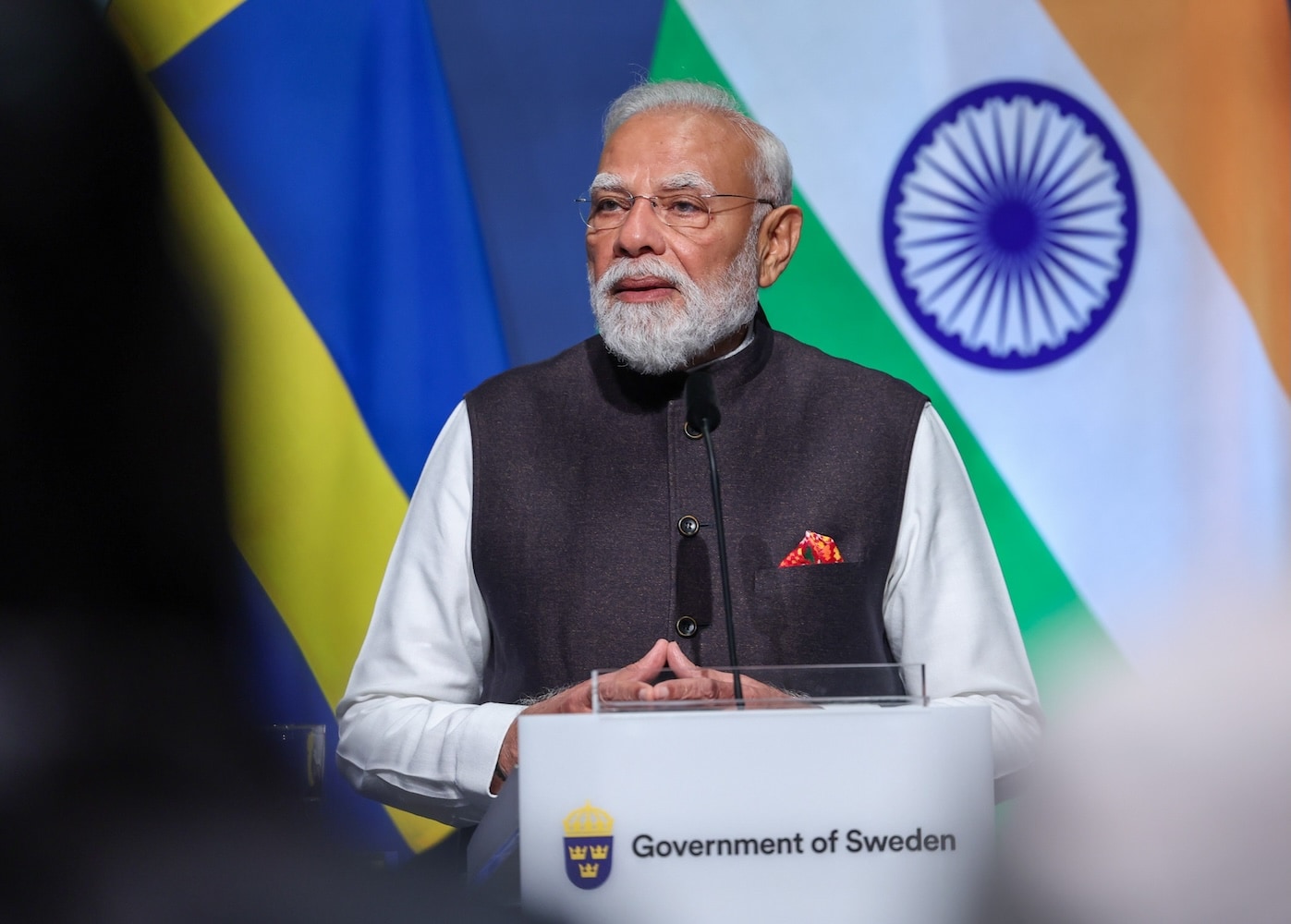
Former Indian Ambassador to the European Union, Manjeev Singh Puri, recently shed light on this massive geopolitical pivot. He pointed out that the strategic outreach between Prime Minister Narendra Modi and European leaders isn't just about diplomatic photo ops. It's an economic lifeline for European businesses looking to diversify away from China, and it's a massive green light for manufacturing inside India.
Shifting Supply Chains from China to India
European corporations are desperate for options. They need to de-risk their supply chains, and they can't rely on their old manufacturing hubs anymore. The India-EU Free Trade Agreement framework acts as a clear signal that India is fully prepared for integrated, large-scale industrial supply chains.
This isn't a minor policy shift. The EU is already a massive partner for India when it comes to trading physical goods, but massive protectionist barriers always got in the way of true economic integration. Lowering these tariffs allows European money to pour into Indian factories.
The immediate impact will show up in labor-intensive sectors like textiles, electronics assembly, and engineering goods. These industries require a massive workforce, which aligns perfectly with India's primary goal: massive employment generation. You can't reach a $5 trillion or $7 trillion gross domestic product simply by writing software; you need millions of physical factory jobs.
The Trump Factor and Forced Multi-Alignment
Geopolitics rarely moves because people want to be nice. It moves because of pressure. The "Trump factor" and persistent threats of US import tariffs have shaken European policymakers out of their comfort zone. They've realized that they need alternative powerhouse economies to survive a volatile global trading environment.
This forced both New Delhi and Brussels into a state of active multi-alignment. India isn't picking a side in a new Cold War, and Europe is discovering that its economic security depends on cultivating deep ties outside of Washington's orbit.
This mutual need creates real economic benefits. Take the defense manufacturing sector as an example. We're no longer just talking about India buying military hardware off the shelf from European defense contractors. The narrative has completely shifted to building things locally.
- Local production of advanced fighter jets like the Rafale.
- Joint development of conventional naval submarines.
- High-tech technology transfer in aerospace engineering.
- Deep integration of Indian small and medium enterprises into European defense production lines.
Overcoming Germany and Japan in Total GDP
The math behind India's climb to the number three spot relies entirely on maintaining a steady economic growth rate while European economies stall. Union Petroleum Minister Hardeep Singh Puri recently highlighted that India's total economic output more than doubled over the last decade, jumping from $2.1 trillion in 2014 to roughly $4.3 trillion by 2025.
While nations like Germany and Japan struggle with aging populations, energy crises, and stagnant domestic consumption, India is leveraging a young workforce and massive internal infrastructure spending.
By removing more than 25,000 regulatory compliances and tearing down 1,400 obsolete colonial-era laws, the internal market has become far more attractive to outside investors. Total foreign direct investment reached $748 billion over an eleven-year period, with the number of investing countries expanding significantly from 89 to 112.
Moving Past the Tech Sector
The biggest mistake analysts make is assuming India's growth is solely a digital services story. While digital transactions and local financial technology platforms handle nearly half of the world’s real-time digital payments, software alone won't sustain a top-three economy.
Manufacturing must fill the gap. India grew into the world's second-largest manufacturer of mobile devices by fixing local supply chain issues and using targeted production incentives. This same strategy is now being applied to heavy transport equipment, green energy components, and industrial machinery.
The massive influx of Western European capital isn't an act of charity. It's a calculated bet on a domestic market that is rapidly pulling millions of people out of absolute poverty and transforming them into active consumers. When a country adds millions of new middle-class buyers every single year, international businesses have to establish a physical presence there if they want to survive.
Your Next Strategic Actions
If you are trying to position your enterprise to ride this wave of economic integration between India and the European continent, you need to stop watching from the sidelines and change your operational focus.
First, audit your manufacturing supply chain to identify dependencies that rely too heavily on single-country production lines. Begin setting up localized manufacturing or assembly partnerships inside Indian industrial corridors to take advantage of upcoming tariff cuts.
Second, reallocate corporate development capital toward joint ventures with mid-sized European technology and engineering firms. These entities have the intellectual property but lack the massive manufacturing scale that Indian industrial zones now offer.
Finally, build direct relationships with logistics and compliance experts who understand the changing regulatory framework between New Delhi and Brussels. Waiting for the final trade agreement text to be printed means you're already too late to capture early market share. Get your infrastructure in place now.