You walk down the grocery aisle and notice the prices climbing again. It feels normal now, just another background expense of modern life. But behind those neat supermarket shelves, a massive structural breakdown is happening across the European Union.
Successive extreme heatwaves and severe, continent-wide droughts have left European agriculture in an unprecedented crisis. We aren't talking about abstract climate projections anymore. The fallout is happening right now, hitting crop yields, emptying groundwater reserves, and exposing just how fragile our food supply chains really are.
The Reality of Parched Fields and Shrank Harvests
When people think about European food production, they picture rolling green hills, reliable rainfall, and centuries-old farming traditions. That picture is cracking.
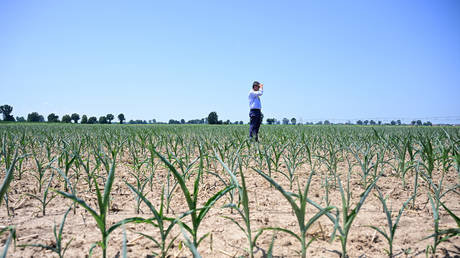
Take France, the absolute powerhouse of EU grain production. Recent data from the French agriculture ministry shows the corn harvest down by a staggering 35% compared to previous levels. That puts national yields down to levels last seen in 1980. It's not just corn. Vegetable cooperatives in Brittany are reporting historic shortfalls. We are looking at drops of 40% for peas, 60% for broccoli, and up to 100% for regional artichoke crops.
Down in Italy, the story is equally grim. Prolonged heat has devastated Mediterranean staples, with olive oil production taking a massive hit as abnormal weather damages orchards in key river basins. When every major agricultural region burns at the same time, traditional cross-border compensation fails completely. There is no neighboring region left to step in and make up the shortfall.
Why Supermarket Prices Will Keep Rising
Economists don't need complicated models to predict the next wave of grocery inflation. Lower yields mean fewer goods, and fewer goods mean higher costs for everyone at the checkout counter.
Livestock farmers are caught in a vicious double-bind. Dairy cows suffer severe heat stress when temperatures stay high, causing an immediate 10% to 15% drop in milk yields. At the same time, pastures meant for winter feed have withered away into dust. Farmers are forced to scramble for expensive imported forage or prematurely cull their herds.
Brussels and national governments love to talk about strategic autonomy, but policy blueprints cannot force crops to grow without water. When groundwater levels hit historic lows and rivers drop so low that cargo barges can't run at full capacity, logistics break down alongside agriculture.
Fixing this isn't about throwing temporary subsidies at angry tractor rallies. It requires a complete rethink of how water is managed, how distribution networks handle multi-region shocks, and how the continent prepares for a climate reality that is arriving much faster than anticipated.
Check your local supply chains, support regional producers who are adapting their practices, and expect food affordability to remain a volatile issue for the foreseeable future.