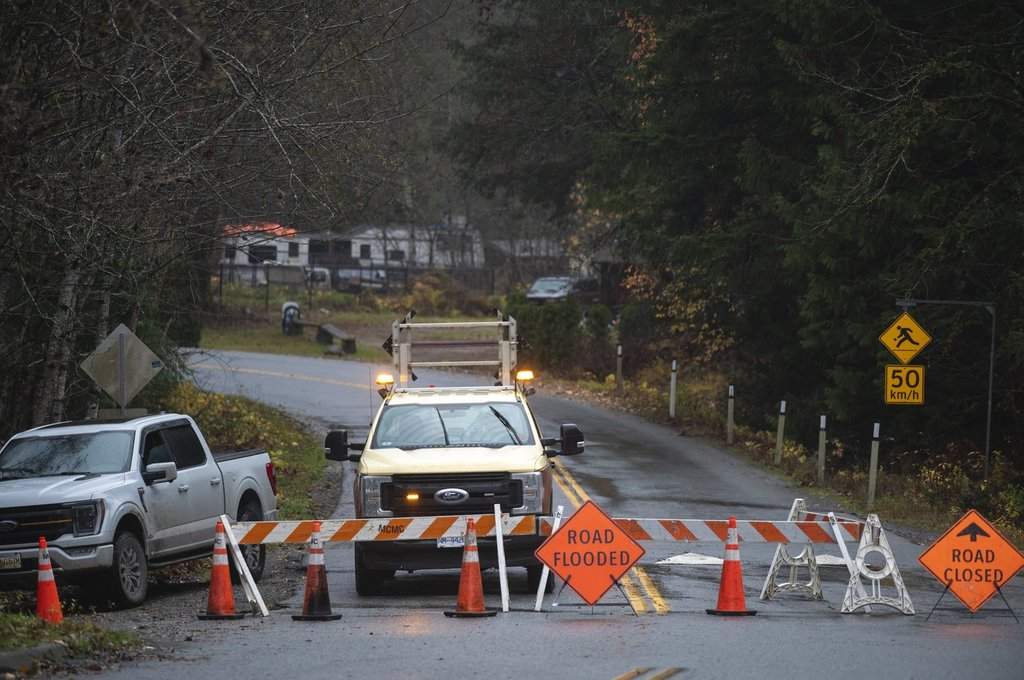
Estonia isn't bluffing anymore. Starting at 7:00 AM on December 1, 2026, every single road border crossing between Estonia and Russia locks down. No cars. No pedestrians. No commercial trucks.
Most news outlets covered this as a quick diplomatic slap on the wrist after an attempted arson attack on an Estonian drone manufacturer. That misses the bigger picture entirely. Tallinn just drew a hard physical line across the Schengen external border, and the ripple effects will hit Baltic logistics, European defense contractors, and cross-border families for years.
What Actually Happened at Threod Systems
Overnight on November 14, 2026, operatives tried to firebomb a facility belonging to Threod Systems, an Estonian defense firm building unmanned aerial vehicles used on the front lines in Ukraine. Security forces foiled the plot before the building went up in flames. By Sunday morning, Estonian police had detained eight suspects—all arriving from neighboring Latvia—and pointed the finger directly at Russia's military intelligence agency, the GRU.
This wasn't an isolated stunt.
Back in August 2026, another Estonian defense contractor, Milrem Robotics, survived a separate attempted arson attack. According to Margo Palloson, Director General of Estonia's Internal Security Service (KAPO), Moscow has placed roughly ten Estonian defense firms on an active target list.
Russia isn't sending trained James Bond types across the frontier anymore. They're recruiting disposable local proxies—often petty criminals or ideological sympathizers from neighboring Baltic states—via encrypted messaging apps to carry out low-cost arson and sabotage. British intelligence issued a nearly identical warning on November 24, alerting UK defense suppliers that Russian operatives are actively recruiting third-country nationals to burn down factories supplying Kyiv.
The Exact Checkpoints Closing on December 1
If you're trying to figure out which routes are affected, the short answer is all of them. Under Government Order No. 195, adopted on November 20, 2026, Estonia suspended movement at five distinct road checkpoints:
- Narva-1 on the main Tallinn–Narva highway, which already saw pedestrian-only restrictions earlier in the year
- Koidula along the Karisilla–Petseri road in the southeast
- Luhamaa on the major Riga–Pskov transit corridor
- Narva-2 on Kose Street, previously reserved for local border residents
- Saatse on the Saatse–Petseri road, another local-only crossing
Here's the detail most headlines glossed over. Rail freight stays open. Trains carrying sanctioned-exempt goods will still roll across the border under heavy customs inspections, though Estonian lawmakers are already debating whether to cut the tracks next.
And don't let the phrase "temporary suspension" fool you. While the legal text mandates a government security review every six months, Estonian Prime Minister Kristen Michal stated bluntly that the closure is effectively indefinite. He doesn't expect the threat from Moscow to magically vanish by next spring.
Why Tallinn Chose Asymmetric Deterrence
You can't arrest your way out of a shadow war. Every time KAPO rolls up a cell of eight saboteurs, the GRU simply recruits eight more. Foreign Minister Margus Tsahkna made Tallinn's logic crystal clear when he announced the shutdown on November 15.
"Russia is waging a shadow war to divide Europe and undermine support for Ukraine. European countries must respond with asymmetric measures of their own. Closing borders with Russia is one such measure."
Think about how cross-border intelligence actually works. Open road checkpoints give handlers and cutouts easy physical access to drop cash, pass instructions, smuggle dual-use electronics, and exfiltrate agents. By sealing the roads, Estonia forces Russian intelligence into slower, riskier digital channels or pushes them through third-country detours where counterintelligence surveillance is much tighter.
On November 25, Estonian authorities reinforced that message by deporting a Russian national suspected of maintaining intelligence ties, telling him publicly he could now communicate with Moscow's spies from inside Russia.
The Real Human and Economic Cost Nobody Mentions
When Finland shut down its entire eastern border with Russia back in late 2023, traffic shifted south. Over the past year, roughly 760,000 people crossed the Estonia-Russia frontier. According to Estonian Police and Border Guard data, that crowd included 307,000 Russian nationals, 175,000 Estonian citizens, and 54,000 Finnish passport holders who had been using Narva and Luhamaa as a backdoor into St. Petersburg.
That backdoor just slammed shut.
Moscow immediately cried foul. Russian Foreign Ministry spokeswoman Maria Zakharova dismissed the move as "aggressive and unrestrained Russophobia," while Kremlin officials complained of a "new Iron Curtain." Yet the Kremlin's outrage ignores the basic reality that ordinary people on both sides of the Narva River are paying the price for Moscow's sabotage campaign.
In eastern Estonia—particularly in Narva, where the vast majority of residents speak Russian as their first language—families are split across a 150-meter-wide river. Starting December 1, visiting an aging parent or attending a funeral across the water means flying through Istanbul, Belgrade, or Yerevan, or taking a massive detour south through Latvia.
What Happens to Baltic Logistics and Border Towns Now
If you run freight in Northern Europe or have travel plans anywhere near the Baltic states, you need to adjust immediately. With Finland closed and Estonia locking its gates, Latvia and Lithuania become the final remaining land bridges between the European Union and Russia.
Freight carriers are already rerouting trucks toward Latvian checkpoints like Terehova and Grebneva. Expect brutal bottlenecks. Latvia uses an electronic queue reservation system similar to Estonia's GoSwift platform, and wait times for commercial haulers—already stretching days during peak periods—are about to balloon.
Even more pressing is the political pressure building in Riga. Latvian officials have already signaled they're watching Tallinn's move closely and considering similar border closures of their own. Notice a crucial detail from the Threod Systems arrest report: all eight suspects detained in Estonia traveled there from Latvia. If Riga follows Tallinn's lead, the entire northeastern flank of NATO will be physically sealed off from Russia by road for the first time since the collapse of the Soviet Union.
Practical Steps If You Are Affected
Don't wait until the morning of December 1 to scramble for alternatives.
- For commercial freight operators: Reroute all road cargo bound for Russia or Central Asia through Latvian checkpoints immediately. Lock in electronic border queue slots weeks in advance, and renegotiate delivery windows and fuel surcharges with clients to account for multi-day border delays.
- For dual citizens and cross-border families: Cancel any existing GoSwift reservations for Narva, Koidula, or Luhamaa after November 30. If travel is urgent, book flights via non-EU hubs like Istanbul or look into bus routes transiting through Latvia before Riga tightens its own crossing rules.
- For European defense and tech suppliers: Audit your physical perimeter security now. If your company builds drones, sensors, or components linked to Ukraine, KAPO and British intelligence have made it clear you're on a target list—upgrade overnight surveillance, vet third-party contractors, and coordinate directly with national counterintelligence agencies.