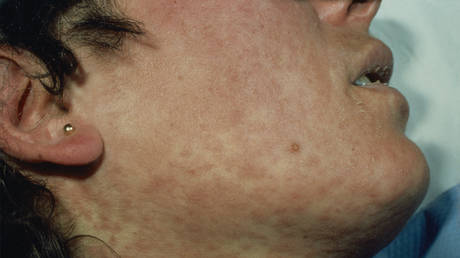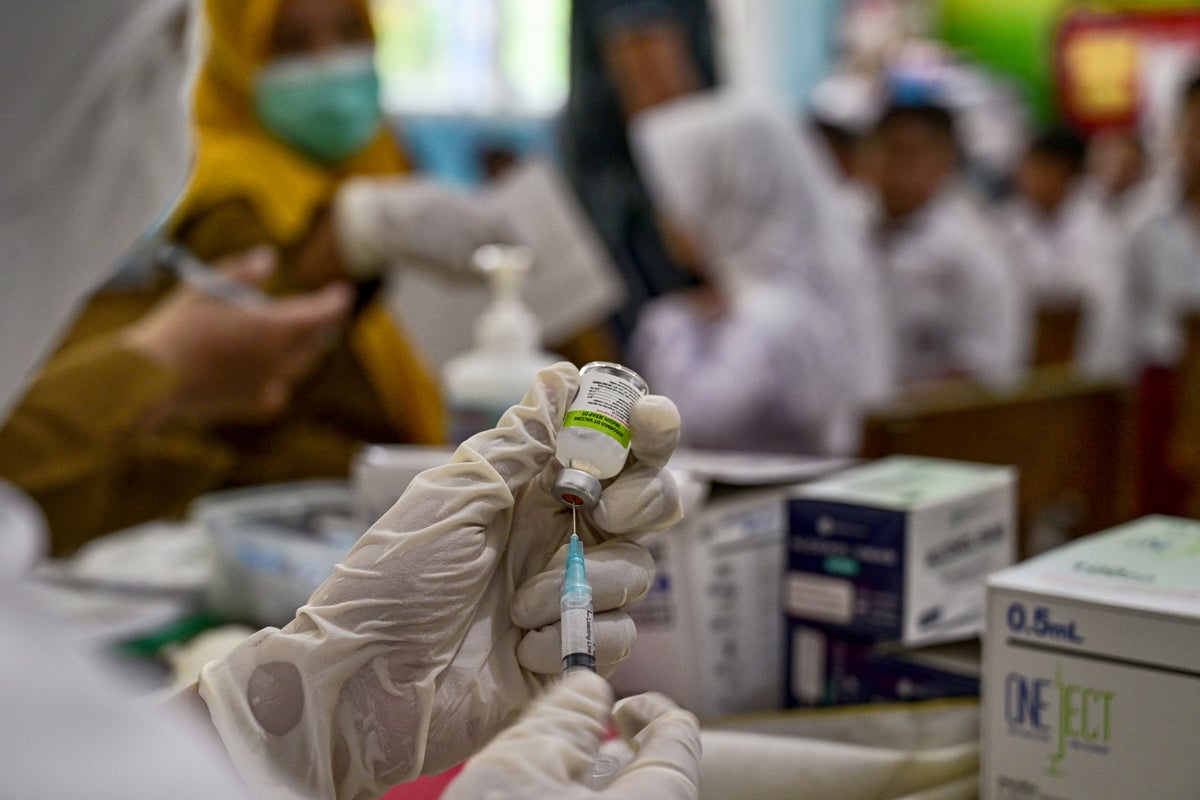
The confirmation of a diphtheria-related death in Darwin—Australia’s first since 2018—exposes a critical failure in structural immunity boundaries. While mainstream reporting frames this as an isolated crisis of unfortunate momentum, the 245 cases recorded across the Northern Territory, Western Australia, South Australia, and Queensland represent the largest breakdown of diphtheria containment since 1991. Treating this as a spontaneous anomaly obscures the underlying structural math: public health systems have allowed immunity thresholds to decay past the tipping point required for herd containment.
To evaluate how a vaccine-preventable, toxin-mediated disease breaches a modern healthcare system, the crisis must be deconstructed through three precise operational frameworks: the Dynamics of Waning Humoral Immunity, the Socio-Spatial Transmission Bottleneck, and the Paradox of Vaccine-Mitigated Carriage.
The Kinematics of Structural Immunity Failure
The return of Corynebacterium diphtheriae is driven by a mathematical breakdown in population-level protection. Epidemiological security against respiratory diphtheria relies on maintaining herd immunity ($H_i$), defined by the basic reproduction number ($R_0$) of the pathogen:
$$H_i = 1 - \frac{1}{R_0}$$
For respiratory diphtheria, where $R_0$ historically ranges between 6 and 7, the critical immunization threshold sits between 83% and 86%. When the effective immune population dips below this line, transmission dynamics shift from self-limiting clusters to exponential propagation.
The current outbreak demonstrates the decay of two distinct immunity pillars.
The Breakdown of Routine Pediatric Pathways
The foundational barrier relies on a multi-dose primary series of the diphtheria-tetanus-pertussis (DTP) vaccine delivered at two, four, six, and 18 months, with subsequent boosters at four years and early adolescence. Disruptions or delays in this schedule lower early childhood antibody titers, creating pockets of immunologically naive hosts.
The Kinetic Decay of Adult Toxin Antibodies
Unlike live-attenuated vaccines that can confer lifelong immunity, the DTP vaccine utilizes a diphtheria toxoid. It trains the humoral immune system to neutralize the dangerous exotoxin rather than killing the bacterium itself. IgG antibody concentrations decay predictably over time.
Without adult booster coverage every ten years, individual antibody levels drop below the protective threshold of 0.01 IU/mL. The system relies on a fiction that childhood vaccination equals lifetime protection.
The Socio-Spatial Transmission Bottleneck
Epidemiological data reveals a highly specific demographic footprint: roughly 94% of identified cases in this outbreak occur within Aboriginal and Torres Strait Islander populations, primarily inside remote communities. This distribution is not random; it reflects specific environmental conditions that accelerate bacterial transmission.
+-------------------------------------------------------------+
|               THE DUAL-PATHWAY OUTBREAK FEEDBACK            |
+-------------------------------------------------------------+
|                                                             |
|   [ Overcrowded Housing ] --------> [ Structural Poverty ]  |
|              |                                 |            |
|              v                                 v            |
|   High Droplet Transmission         Prevalent Skin Lesions  |
|              |                                 |            |
|              v                                 v            |
|  (30% Respiratory Cases)           (70% Cutaneous Cases)    |
|              \                                 /            |
|               \--> [ HIGH PATHOGEN RESERVOIR ]<--------------- +
|                           |                                    |
|                           v                                    |
|              [ Asymptomatic Colonization ]                     |
|              (Vaccinated hosts shed bacteria)                  |
|                           |                                    |
+---------------------------+------------------------------------+
The pathogen exploits two separate clinical pathways that reinforce one another within these environments:
- The Cutaneous Pathway (70% of Cases): Cutaneous diphtheria presents as localized skin ulcers or infected wounds. In remote regions, environmental factors like limited clean water access and endemic scabies increase skin sores. These lesions serve as highly accessible bacterial reservoirs.
- The Respiratory Pathway (30% of Cases): This form targets the pharynx and upper airways, presenting severe systemic risks. Transmission relies on close-contact respiratory droplets. In overcrowded housing conditions, the physical distance between hosts drops below the critical transmission threshold, allowing droplets to spread easily.
The interaction of these two pathways creates a dangerous feedback loop. High rates of cutaneous skin infections keep the bacterial load high within the community. This increased environmental exposure constantly threatens individuals who have lost their respiratory immunity, escalating the risk of severe airway infections.
The Paradox of Vaccine-Mitigated Carriage
The most misunderstood aspect of this outbreak is its intersection with vaccine efficacy. Data indicates that approximately 90% of individuals infected in the current cohort had received prior vaccinations. While this statistic is frequently weaponized by anti-vaccine circles to claim vaccine failure, rigorous clinical logic reveals the exact opposite.
The DTP vaccine is an antitoxin vaccine; it targets the lethal exotoxin released by Corynebacterium diphtheriae, not the surface antigens of the bacteria itself. This mechanism creates a stark divide between clinical disease protection and colonization defense:
- Clinical Protection: The vaccine successfully prevents the deadly systemic effects of the toxin, such as myocardial necrosis, peripheral neuropathy, and the formation of the suffocating pharyngeal pseudomembraneous layer. This is why 90% of the vaccinated individuals in this outbreak develop only mild cutaneous sores or minor sore throats instead of fatal airway blockages.
- Colonization Toleration: Because the vaccine does not stop the bacteria from colonizing the mucosal or cutaneous tissues, vaccinated individuals can still catch, carry, and shed virulent strains.
This dynamic creates a blind spot for public health officials: Asymptomatic Colonization.
Highly vaccinated populations can quietly harbor and transmit toxigenic strains without showing obvious clinical symptoms. The pathogen circulates invisibly through protected individuals until it hits an immunologically vulnerable host—such as an adult with faded immunity or an unvaccinated child. At that point, the bacteria unleashes its full toxin production, resulting in severe illness or death.
Resource Allocation and Strategic Disconnects
The federal government’s allocation of A$7.2 million in emergency funding highlights a reactive, crisis-driven model of public health management. This deployment of capital exposes a fundamental structural imbalance:
Reactive Crisis Intervention (A$7.2M Emergency Package)
 └── Pop-Up Immunization Clinics (Temporary, High-Cost)
 └── Surge Workforce Deployment (Short-Term, Transitory)
 └── Post-Exposure Prophylaxis (Defensive, Resource-Intensive)
While deploying mobile vaccination units and administering over 10,000 doses in the Northern Territory has successfully slowed the weekly infection rate from its peak of 22 cases down to nine, this strategy address symptoms rather than causes.
Pop-up clinics and temporary booster drives do not fix the underlying systemic vulnerabilities. Once the emergency teams withdraw, the core issues remain: remote housing shortages persist, skin infections go untreated, and adult vaccine registries stay out of date. The system drops back into a state of passive decay, waiting for the next inevitable drop in immunity to trigger another outbreak.
Operational Interventions for Permanent Containment
To move past temporary crisis control and achieve permanent containment, public health infrastructure must shift to a proactive, structured strategy.
1. Dynamic Immunization Rotations
The Australian Technical Advisory Group on Immunisation (ATAGI) recently updated its guidance to recommend a DTP booster every five years for healthcare workers and Indigenous communities in affected zones. This policy must be permanently integrated into regional primary care systems. Automated, SMS-driven recall systems tied to Medicare data should trigger mandatory clinical reviews for adults every five years, treating adult booster coverage with the same urgency as pediatric schedules.
2. Broad Antibiotic Prophylaxis and Active Case Tracking
To halt invisible transmission, health teams must deploy aggressive post-exposure prophylaxis. Every close contact of a confirmed case—regardless of vaccination status or whether they show symptoms—must complete a course of oral erythromycin or a single intramuscular dose of benzylpenicillin. This must be paired with widespread PCR and culture testing of skin sores to eliminate cutaneous reservoirs before the bacteria can migrate to the respiratory tracts of vulnerable individuals.
3. Structural Health and Environment Integration
Public health strategies must collaborate directly with housing and infrastructure planning. Reducing household crowding and funding dedicated, community-led programs for skin health and scabies control will directly shrink the physical reservoirs where Corynebacterium diphtheriae thrives.
The Darwin fatality confirms that relying on past vaccination campaigns is an ineffective strategy against shifting pathogens. If public health systems fail to transition from reactive crisis funding to permanent adult immunity maintenance and environmental intervention, this outbreak will not be an isolated historical peak, but the new operational baseline.