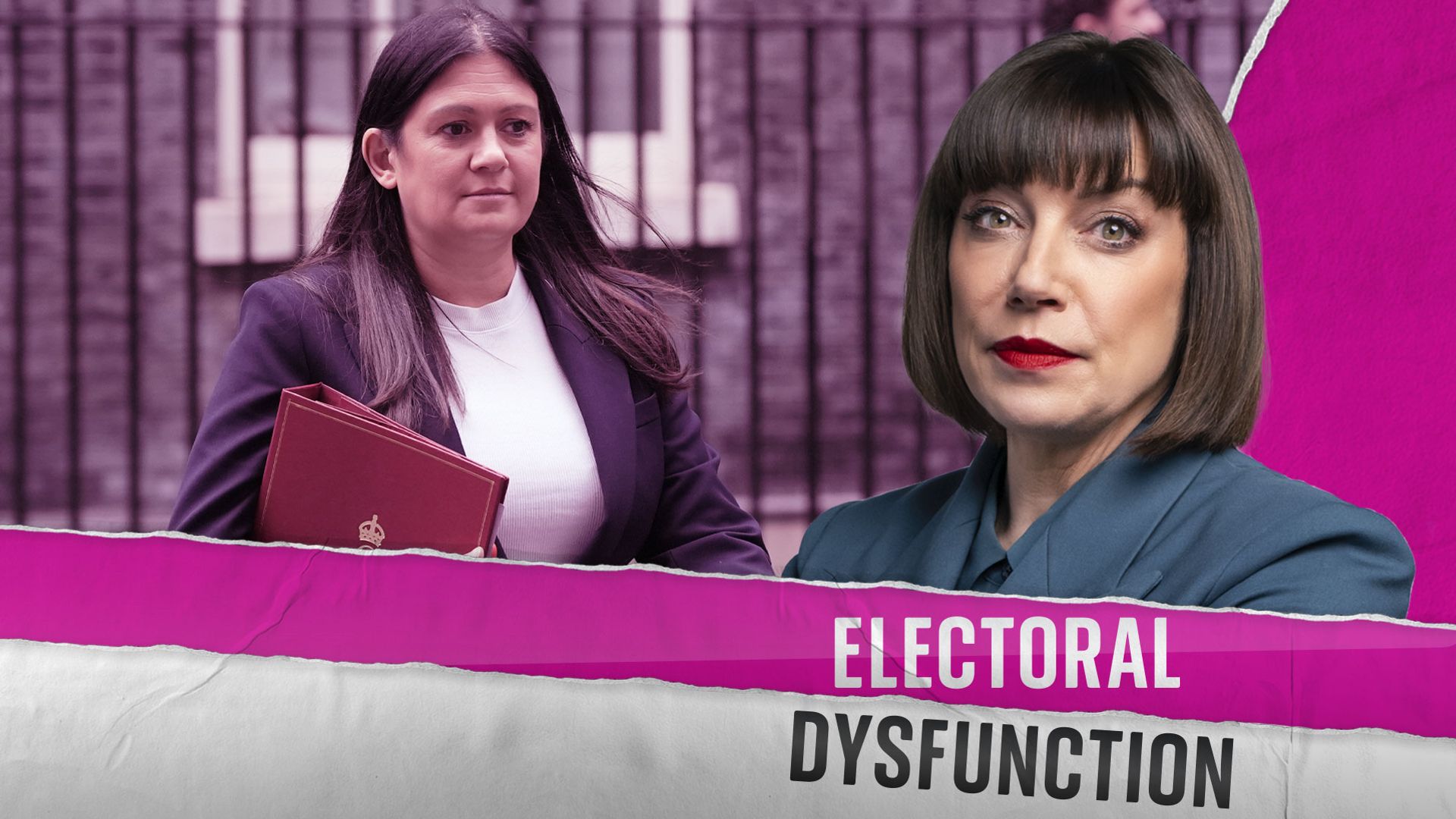
Governments love to talk tough about cleaning up the internet, but they're losing control faster than ever. When tech giants decide to ghost official safety briefings, politicians typically respond with theatrical outrage rather than effective strategy. That dynamic played out in plain sight when a senior government minister slammed Elon Musk's social network X as "disgusting" for completely shunning a high-profile roundtable discussion addressing online violence against women.
Instead of showing up to answer hard questions about platform safety, automated moderation failures, and escalating abuse, representatives from X stayed away. Predictably, the snub triggered immediate vows from officials to draft even stricter digital legislation. But passing more laws on paper means very little if global platforms simply refuse to play by local rules.
The Problem With Empty Threats and Bureaucratic Outrage
Calling a tech platform's behavior names doesn't fix a broken algorithm. Regulators across the globe are discovering that traditional diplomatic pressure holds zero weight with Silicon Valley billionaires who view state oversight as censorship or bureaucratic nuisance.
When platforms skip ministerial meetings, it signals a deeper structural breakdown. Tech companies aren't just ignoring protocol; they are actively calculating that the cost of non-compliance is lower than the operational cost of adhering to strict government mandates. Regulatory bodies love to wave around heavy financial penalties, yet enforcement remains painfully slow and legally tangled.
Why Traditional Content Laws Keep Failing
The core issue isn't a lack of rules. The statute books are already crammed with digital safety acts, transparency mandates, and threat mitigation frameworks. The real failure lies in execution.
- Global reach versus local jurisdiction: A platform operated from the United States can easily shrug off European or British regulatory warnings because enforcing cross-border asset seizures or outright bans is a political minefield.
- Automated safety gaps: Features like generative artificial intelligence tools often launch with minimal guardrails, leading to severe moderation scandals before regulators even schedule their first committee meeting.
- The engagement trap: Platforms profit immensely from high-conflict interactions. Content that angers users drives engagement, meaning voluntary compliance meetings often clash directly with a tech company's core business model.
Moving Beyond Political Theater
If lawmakers genuinely want to protect internet users, they have to stop relying on photo-op roundtables and public shaming campaigns. Empty threats of writing tougher laws only expose how powerless current regulators feel when a major player like X refuses to RSVP.
Real accountability requires swift, automated enforcement that doesn't depend on whether a tech executive decides to show up for coffee. Until governments bridge the gap between loud rhetoric and actual digital teeth, platforms will keep skipping the meetings—and winning the argument.
Why Elon Musk Says X Will Show Government Requests To Remove
This video explores how X handles government intervention and transparency regarding content moderation requests.