The headline repeats every single cycle. Lawmakers cower behind reinforced glass. Capitol Hill corridors echo with whispered threats. The standard narrative paints elected officials as helpless targets caught in a rising tide of political rage. It is a neat, emotionally charged picture that misses the structural reality of modern governance.
Strip away the pearl-clutching op-eds, and a different truth emerges. Public figures do not cower in terror. They monetize vulnerability. Every spike in hostile rhetoric translates directly into fundraising surges, tighter control over constituent access, and institutional self-preservation.
Look at the data behind congressional security budgets over the past decade. Spending on member protection has skyrocketed. Offices now operate like suburban fortresses, insulated from the messy, unpredictable reality of face-to-face civic engagement. Physical distance gets marketed as safety. In practice, it acts as a permanent barrier against accountability. When an official rarely stands in a room full of angry, unscripted voters, the friction of democracy disappears. What remains is a curated theater of victimhood designed to suppress dissent.
The lazy consensus claims that hostile rhetoric poisons the well and forces good leaders out of public service. The opposite happens. High conflict protects incumbents. When elections turn into existential cultural battles driven by manufactured external threats, policy records become irrelevant. You do not need to defend a broken legislative record if your entire campaign centers on personal survival against an imagined mob. Fear is the ultimate loyalty test. It forces party lines to harden and starves out primary challengers who want to talk about zoning laws, infrastructure budgets, or tax codes.
Consider how institutional power responds to actual threats. When real security vulnerabilities arise, agencies fix them quietly and efficiently. When public threats make the morning news cycle, press secretaries amplify them. They draft fundraising emails before the police reports finish printing.
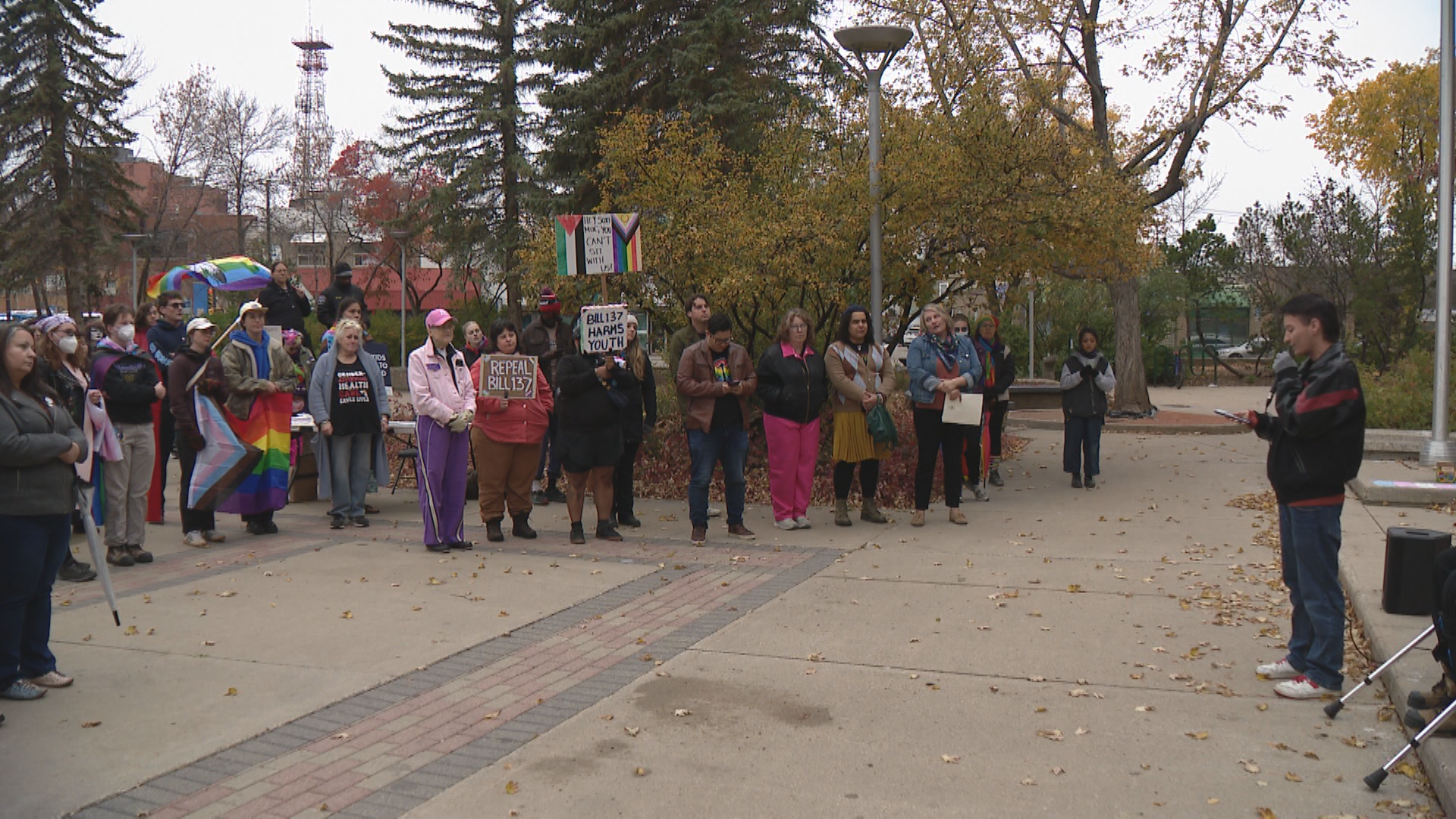
The accountability trap goes deeper than campaign cash. Every time a politician frames public anger as an illegitimate security breach, legitimate criticism gets swept into the same category. A constituent demanding answers at a town hall gets labeled as part of the hostile wave. Grassroots protest gets equated with intimidation. The apparatus designed to protect the officeholder ends up shielding them from the core requirement of their job: listening to people who think they are doing a terrible job.
Pretending that lawmakers are fragile victims gets the power dynamic backward. They hold the capital, the armed protection, and the microphone. The citizens standing outside the gates with handmade signs possess none of those things. Stop confusing self-protective insulation with genuine peril. The ones writing the rules are doing just fine. They just prefer you look at their panic instead of their voting record.