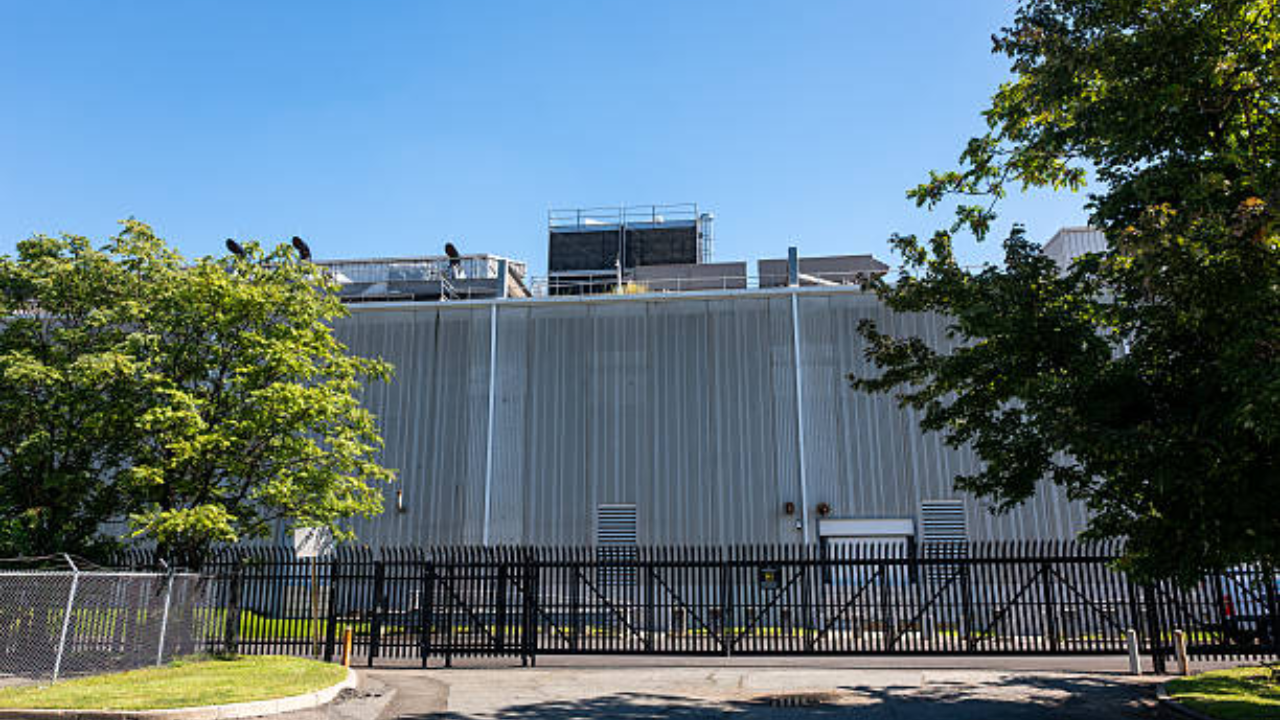
When a quiet stretch of farmland suddenly transforms into a multi-billion-dollar industrial zone, local residents tend to notice. Usually, they notice before the bulldozers show up. That isn't what happened in Grayslake, Illinois, where an expansive 18 billion dollar data center campus spearheaded by T5 Data Centers just secured its first official building permit.
For the people who own property right next to the 473-acre site, the reality of what was happening didn't click until the approvals were already locked in. Now, construction on an 800,000-square-foot initial building is moving forward, while neighborhood groups are fighting back in court. This clash highlights a growing nationwide tension: local municipalities chasing monumental financial windfalls while everyday residents feel completely sidelined by rapid artificial intelligence infrastructure growth.
The Financial Promise Versus Local Reality
Village officials in Grayslake are defending the project aggressively, and from a municipal budget perspective, it's easy to see why. The development promises roughly 1.4 billion dollars in non-homeowner property tax revenue over its first twenty years. Even better for the local government, the deal moved forward without local tax incentives, enterprise zone exemptions, or tax-increment financing subsidies. For a town operating with a balanced budget and zero municipal debt, that kind of cash injection sounds like a permanent fix for local school, park, and infrastructure funding.
Yet, property owners living near the Cornerstone business park view those numbers as cold comfort. Multi-generational landowners have watched quiet fields turn into massive construction footprints. The core complaint isn't just about losing the view. It's about how the approvals process unfolded. Residents argue that public notices relied on ambiguous language that masked the true scope of the 11-building, multi-million-square-foot master plan. By the time community members realized an industrial tech campus was slated for their backyards, public hearings had already wrapped up.
Why Data Center Protests Are Exploding Everywhere
The Grayslake dispute isn't an isolated incident. Across the country, communities are pushing back hard against the physical footprint of the artificial intelligence boom. Data centers require staggering amounts of electricity and water, raising serious questions about local grid stability and environmental wear and tear.
In this specific Illinois project, court filings and local reports point to an immense power draw managed by ComEd, alongside diesel backup generators designed to keep servers running without interruption. Neighbors are left wondering who absorbs the long-term cost of upgrading regional transmission lines and managing constant industrial noise. While developers like T5 maintain they are working closely with local leaders on sound mitigation and resource consumption, trust has already eroded.
Furthermore, environmental battles have flared around nearby wetlands. Although the developer voluntarily withdrew an application to remediate isolated wetlands after community pushback, the episode left residents hyper-vigilant about what else might slip through municipal review boards.
The Legal and Political Fallout
Because local lawmakers failed to pass comprehensive state-level regulations governing the data center industry earlier in the year, individual towns and villages have been left to navigate massive corporate proposals independently. That vacuum has created a messy patchwork of resistance. While Grayslake pushed its project forward and issued permits, neighboring jurisdictions and county boards have taken opposite tacks—such as Lake County implementing an eight-month moratorium on data centers in unincorporated areas.
Meanwhile, the legal challenge filed by local residents and opposition coalitions aims to void the village's original approvals entirely. Even though construction on the first massive facility has already begun, the court case represents a critical test. If these lawsuits succeed, they provide a blueprint for other communities fighting tech developments. If they fail, developers will take it as a green light to fast-track hyperscale campuses wherever local zoning permits.
If you live near a rural or semi-rural business park, keep a close eye on local municipal meeting agendas. Vague zoning amendments that look like minor administrative updates often hide the early stages of massive digital infrastructure projects. Paying attention early is the only way to ensure your community has a real voice before the heavy machinery arrives.