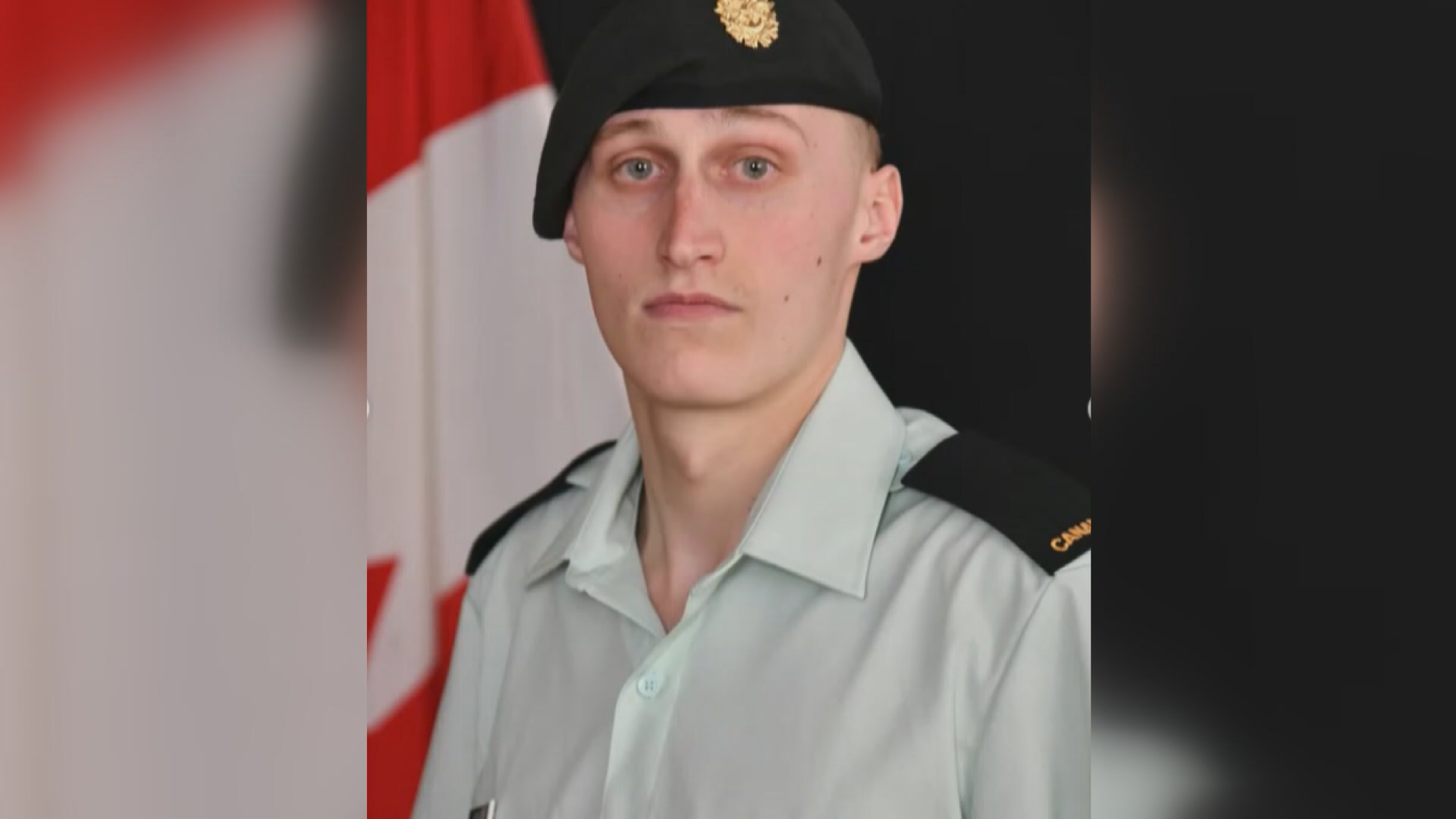
"We will all die one day." Say those words in a crowded room and people might nod along, half-listening, thinking about dinner or traffic. Say them during a sermon in Guayaquil, Ecuador, right before a heavy crucifix breaks loose from a church wall and kills you, and suddenly every syllable sounds like a prophecy.
That is what happened on October 17, 2026, at Nuestra Señora del Perpetuo Socorro—Our Lady of Perpetual Help Church—in Guayaquil. Father Patricio Alfredo Sánchez Molinari, a 53-year-old Redemptorist priest, was leading an evening Mass that was being livestreamed online. Moments after reflecting on mortality, a large crucifix detached from behind him and struck him. Worshippers shouted for an ambulance. First responders couldn't save him.
When a story like this hits social media, people don't just read it as a freak accident. We read it as a collision of human frailty, eerie timing, and raw shock. Honestly, it's hard not to feel a chill watching how fast a routine evening service turned into grief.
Why This Ecuador Priest Tragedy Hits So Hard
Most accidents fade by morning. This one stuck because of the whiplash between meaning and random physics.
A priest talks about death all the time. Mortality is standard territory in any sermon about how we spend our time and faith. Normally, those lines feel philosophical, distant, even routine. Here, the gap between speaking about the end of life and experiencing it shrank to almost nothing.
There's also the livestream factor. We're used to watching church services on our phones while half-distracted—eating breakfast, folding laundry, scrolling in bed. Seeing a real person in a real sanctuary suddenly struck from behind breaks that casual screen distance. You hear cries for help, the feed cuts or gets pulled down, and you're left staring at a reminder that real tragedy doesn't care about cameras or scheduled broadcasts.
For the congregation in Guayaquil, it wasn't an abstract headline. Father Sánchez belonged to the Congregation of the Most Holy Redeemer, a Redemptorist order founded in 1732 with roots across roughly 80 countries, and he served as parish priest at Perpetuo Socorro. The Archdiocese of Guayaquil confirmed his passing and shared prayers in Latin as parishioners gathered to mourn a familiar shepherd lost in an instant.
What We Actually Know vs. What Remains Unclear
Whenever a viral clip circulates, rumors and assumptions sprint ahead of confirmed facts. Let's keep things straight based on what reliable outlets like AP News and CBS News have reported.
- Confirmed details: The incident took place on Saturday night, October 17, 2026, during a livestreamed evening Mass at Our Lady of Perpetual Help Church in Guayaquil. Father Patricio Alfredo Sánchez Molinari, age 53, was standing near the altar facing the congregation when a large crucifix came loose and hit him.
- Emergency response: Witnesses called out for help and emergency services were summoned, though he could not be revived. The original livestream video was subsequently taken down.
- Unanswered questions: Public reporting has not established the exact mechanical failure that caused the crucifix to detach, nor has local authorities' official investigation detail been widely published in initial reports.
That gap between "what happened" and "why the mount gave way" is important. Grief makes people search for cosmic meaning, while safety experts and building managers look at anchors, wall substrates, vibration, humidity, and weight loads. Both impulses are human. Confusing a tragic coincidence with a mystical certainty isn't helpful, yet brushing off the emotional weight of the moment misses why people care in the first place.
The Quiet Safety Blind Spot Inside Older Buildings
Let's be real for a second. When we walk into historic halls, auditoriums, theaters, or churches, we look up at high ceilings, ornate woodwork, chandeliers, and wall fixtures—and we almost never think about shear stress or corroded fasteners.
Heavy wall-mounted objects carry real risks when maintenance is informal or sporadic. Over years or decades, plaster settles, humidity shifts, anchors loosen, or timber cracks around mounting hardware. A fixture that looked rock-solid for twenty years can fail suddenly if a single anchor pulls free and transfers the full load onto the remaining point.
That doesn't mean every old building is a death trap. Most aren't. Still, large spaces often rely on volunteer help, donations, or aging installations that haven't been inspected with modern load standards in mind. Anyone responsible for a gathering space—whether a church, community hall, school gym, or event venue—has a practical duty to check heavy overhead and wall-mounted items before tragedy forces the issue.
How to Handle Heavy Wall and Overhead Fixtures Safely
If you help run a community space, church, office, or even just hang heavy decor at home, a few basic habits make a real difference:
- Inspect anchors and walls regularly: Look for cracks radiating from brackets, sagging mounts, or gaps where a fixture meets plaster, brick, or drywall.
- Match hardware to the load and wall type: Heavy wood or metal pieces need proper structural anchors into studs or masonry—never rely on light plastic drywall plugs for substantial weight.
- Check high-up items with intention: Don't wait until something wobbles. Have someone qualified evaluate tall or heavy wall installations periodically, especially in spaces where crowds gather underneath.
- Treat grief and shock with care: If an upsetting clip or story hits close to home, step away from replaying distressing footage and lean on real people or local support rather than doomscrolling tragedy loops.
Life really is fragile, and we don't get to pick the hour or the manner of our exit. Taking practical care of the spaces we share—and showing up for the people still standing in them—is about as grounded a response as you can get.
Ecuador priest killed by falling crucifix moments after sermon covers the viral clip and quote that sparked widespread attention around the tragedy.