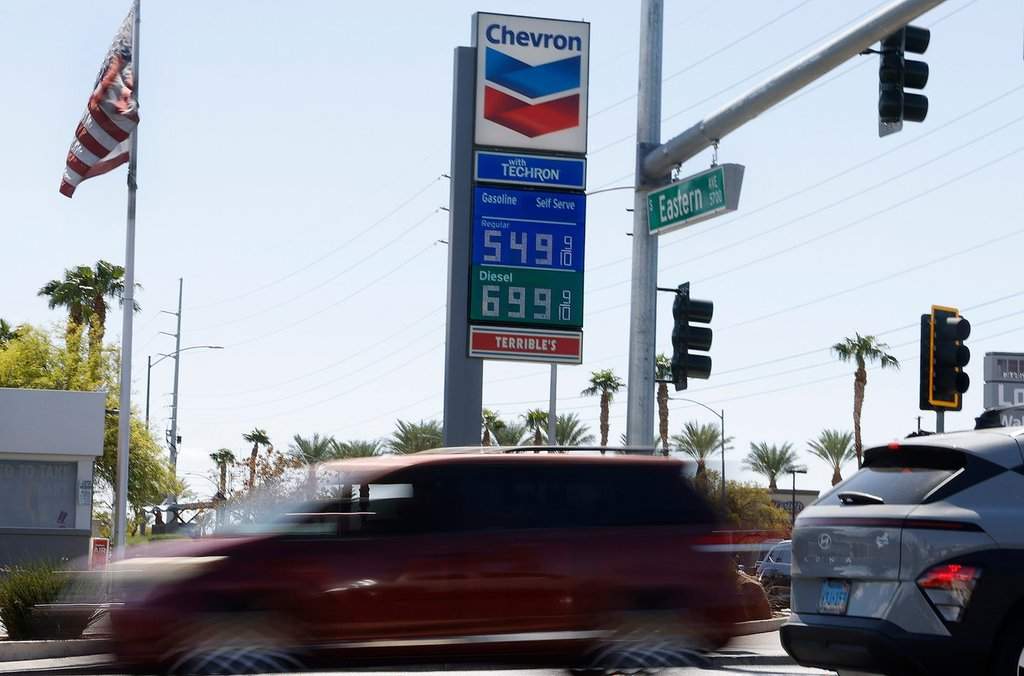
Geopolitical conflict does not merely disrupt supply chains; it forces a structural repricing of global commodities where consumer price elasticity is low in the short term. When political rhetoric intersects with energy markets, the resulting friction creates predictable economic shockwaves that ripple across sovereign balance sheets, industrial margins, and household expenditure. Analyzing the claim that higher energy costs represent an acceptable fiscal or economic transfer requires stripping away partisan framing and examining the mechanics of commodity pricing, supply inelasticity, and the broader transmission mechanisms of war-driven inflation.
Energy markets operate under extreme short-run inelasticity. When physical infrastructure is threatened or maritime choke points face disruption, supply curves shift inward instantly. Because refineries, chemical plants, and consumers cannot substitute away from petroleum-based feedstocks or fuels overnight, even a modest contraction in supply yields a disproportionate spike in marginal pricing. This dynamic underpins every modern geopolitical confrontation involving major hydrocarbon producers. The market does not price the current barrel; it prices the tail risk of systemic supply destruction.
The Transmission Matrix of Energy Shocks
To understand how localized hostilities translate into broad macroeconomic pain, analysts must examine three distinct transmission channels. Each channel operates at a different speed and exerts unique pressures on economic output.
The primary channel is direct fuel and power inflation. Transportation, logistics, and residential heating costs adjust immediately to spot market fluctuations. Fleet operators, airlines, and freight networks pass these variable costs downstream to consumers, generating an immediate tax on commerce.
The secondary channel involves industrial feedstock costs. Petrochemicals form the baseline for fertilizers, plastics, pharmaceuticals, and synthetic materials. When crude oil prices surge, the input costs for manufacturing sectors escalate simultaneously. This compresses operating margins for producers who cannot immediately reprice long-term commercial contracts, eventually forcing supply curtailments or retail price escalation.
The tertiary channel is monetary policy feedback. Central banks monitor headline inflation, which includes volatile food and energy components. A sustained energy shock threatens to unanchor medium-term inflation expectations, compelling monetary authorities to maintain higher benchmark interest rates longer than industrial growth metrics would otherwise warrant. This increases the cost of capital for businesses undertaking capital expenditure, slowing productivity growth across the broader economy.
Evaluating the Strategic Cost Function
Political leaders often frame economic sacrifices during wartime as necessary investments in long-term strategic stability. From an analytical perspective, this constitutes a cost-benefit calculation where the dependent variable is national security objectives and the independent variable is the cumulative deadweight loss inflicted upon the domestic economy.
Quantifying this trade-off requires tracking several key indicators rather than relying on abstract political assertions:
- The elasticity of domestic shale production relative to global benchmark prices.
- The strategic petroleum reserve drawdown rate versus replenishment thresholds.
- The capacity of secondary suppliers to offset localized export embargoes.
- The debt-to-GDP impact of subsidizing energy consumers against market spikes.
When policymakers dismiss rising fuel prices as a minor friction, they ignore the regressive nature of energy taxation. Lower-income households allocate a significantly higher percentage of disposable income to baseline energy and transportation needs. Consequently, broad-based energy inflation functions as a regressive tax, dampening consumer discretionary spending and altering retail velocity across non-essential sectors.
Strategic Allocation of Reserves and Industrial Output
Mitigating the macroeconomic fallout of energy-driven conflicts demands active asset management rather than passive market acceptance. Sovereign actors maintain strategic reserves precisely to dampen the initial volatility spike, buying time for secondary supply adjustments to take effect. However, reserve releases are finite instruments; they alter inventory dynamics temporarily without solving structural production deficits caused by physical asset damage or blockades.
Industrial competitiveness during prolonged geopolitical tension hinges on energy efficiency and technological substitution. Economies that maintain diversified energy grids, robust nuclear baseloads, or electrified mass transit networks insulate themselves more effectively from hydrocarbon shocks than those heavily reliant on single-source fossil fuel imports.
The immediate policy mandate in any high-stakes geopolitical standoff is to decouple critical industrial supply chains from immediate commodity price volatility while maintaining transparent accounting of the true costs borne by domestic commercial sectors. Long-term strategic posture remains constrained by physical realities: energy is the foundational input of industrial output, and any conflict that compromises its flow exacts a tangible economic toll that cannot be wished away by rhetoric.