Panic sells papers. When news breaks about an Ebola outbreak, media outlets love to splash red ink across global maps. They make it look like a sci-fi plague creeping across every continent. It terrifies people unnecessarily. The reality of how and where the Ebola virus spreads is much more localized, predictable, and heavily tied to specific ecological boundaries.
If you look closely at the data from the World Health Organization, the virus does not just pop up anywhere. It has a specific home. Understanding where Ebola actually lives helps us realize that most of the world faces almost zero risk.
Let's look past the scary headlines. Here is the real breakdown of where Ebola spreads around the world, why it stays where it does, and what the history of these outbreaks teaches us about global health security.
The True Geography of Ebola Spreads
The Ebola virus is endemic to the tropical regions of Sub-Saharan Africa. That is its natural habitat. When we talk about where it spreads, we have to look at the animal reservoirs. Scientists generally agree that fruit bats, specifically those from the Pteropodidae family, carry the virus without getting sick.
Where the bats live, the virus lives.
Historically, outbreaks cluster around the dense rainforests of Central and West Africa. The virus first came to light in 1976. Two simultaneous outbreaks occurred back then. One happened in Nzara, South Sudan, and the other in Yambuku, Democratic Republic of the Congo. The village in the DRC sat near the Ebola River, which gave the disease its name.
Since 1976, the Democratic Republic of the Congo has borne the heaviest burden of the disease. It has managed more than a dozen distinct outbreaks. The country acts as ground zero because its massive rainforest ecosystems provide the perfect environment for the virus to persist in wildlife.
The Outbreaks That Changed the Map
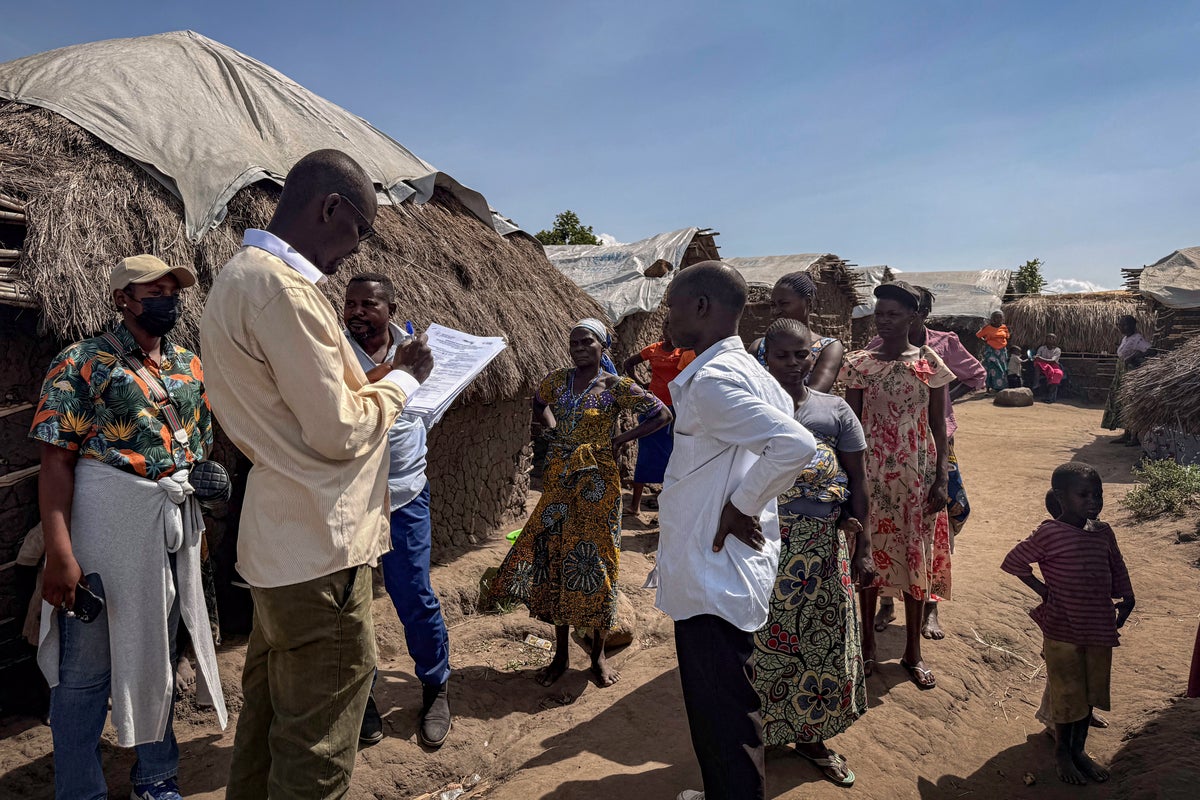
For decades, the disease followed a strict pattern. An isolated village near a forest would experience a spillover event. A hunter might handle infected bushmeat, like a chimpanzee or a bat. The hunter got sick, passed it to family members, and a small, localized outbreak occurred. Health workers would swoop in, quarantine the area, and the chain of transmission stopped.
Then 2014 changed everything.
The West Africa outbreak between 2014 and 2016 completely shattered the old playbook. It did not start in Central Africa. It began in Guinea, at a geographic crossroads where forestry had changed the local landscape. The virus quickly crossed porous borders into Liberia and Sierra Leone.
This was not a series of isolated villages. The virus hit major urban centers like Conakry, Freetown, and Monrovia. Slums and crowded cities became hotbeds for transmission. By the time the WHO declared the emergency over, more than 28,000 people had contracted the virus. Over 11,000 died.
This single event redefined the Ebola map. It proved the virus could exploit modern transportation and urban density.
Isolated Cases Outside of Africa
The 2014 crisis caused immense global anxiety because the virus briefly traveled outside of Africa. This is where those scary global maps come from. But context matters immensely here.
A handful of countries saw cases, but these were isolated incidents, not sustained outbreaks.
- The United States: A traveler from Liberia fell ill in Dallas, Texas, passing the virus to two nurses who treated him. A medical doctor who returned to New York from Guinea also tested positive.
- The United Kingdom: A nurse who volunteered in Sierra Leone returned to Scotland and was diagnosed.
- Spain: A nursing assistant in Madrid contracted the virus while treating an infected priest who had been evacuated from West Africa.
- Italy and Russia: Both countries recorded single cases involving healthcare workers or laboratory accidents.
Every single one of these cases ended quickly. The virus never established a foothold in the local population. Why? Because Ebola is not highly contagious in the way influenza or measles is. It requires direct contact with bodily fluids like blood, vomit, or sweat of someone who is actively showing severe symptoms. It does not travel through the air. In countries with modern infection control protocols in hospitals, the virus hits a brick wall.
Why the Virus Stays Bottled Up
You might wonder why a virus so deadly does not just ride an airplane and infect every major city on earth. The biology of the disease actually prevents it from spreading easily over long distances.
Ebola acts fast and hits hard.
When people contract the virus, they get incredibly sick, very quickly. Symptoms include intense fever, severe muscle pain, vomiting, diarrhea, and internal or external bleeding. A person in the advanced stages of Ebola is not walking through an airport terminal. They are bedridden. This rapid onset of incapacitating illness naturally limits the geographic mobility of infected individuals.
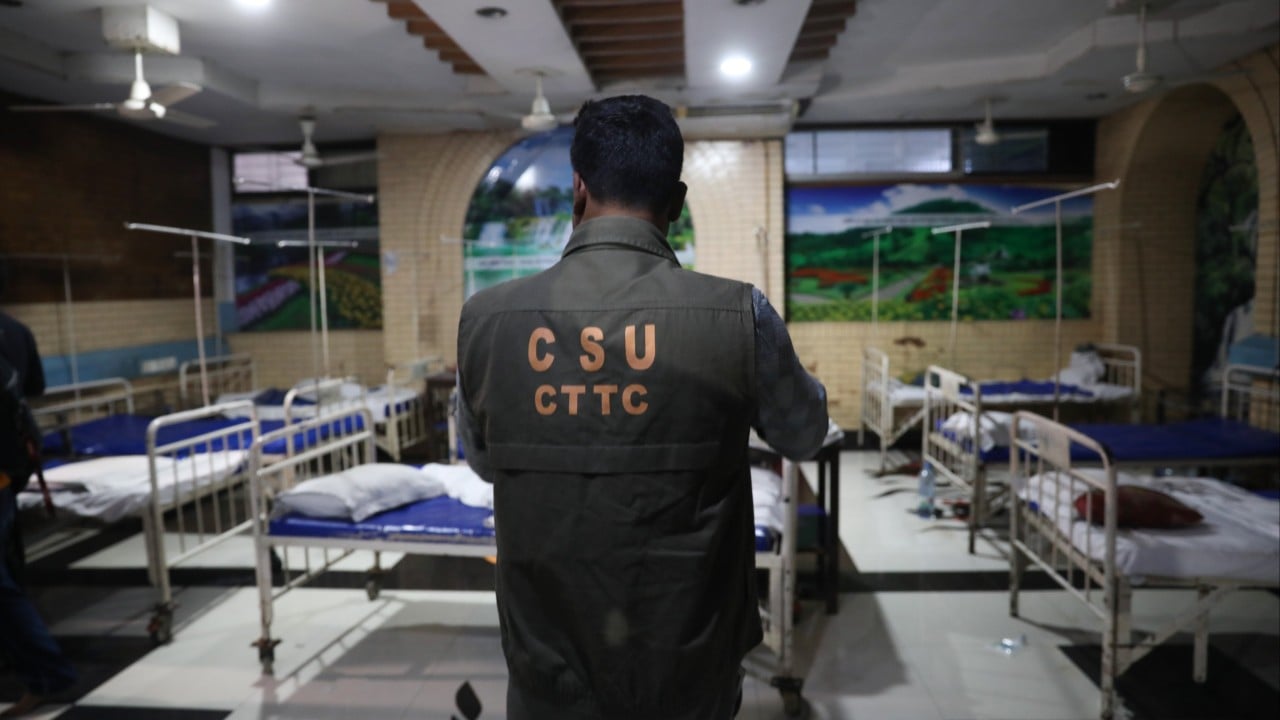
The transmission mechanism also limits geographic spread. You cannot catch it from someone sitting next to you on a bus who just happens to be coughing. You have to touch their fluids. This means transmission happens almost exclusively in two environments: crowded households caring for a dying relative, and clinics lacking proper personal protective equipment.
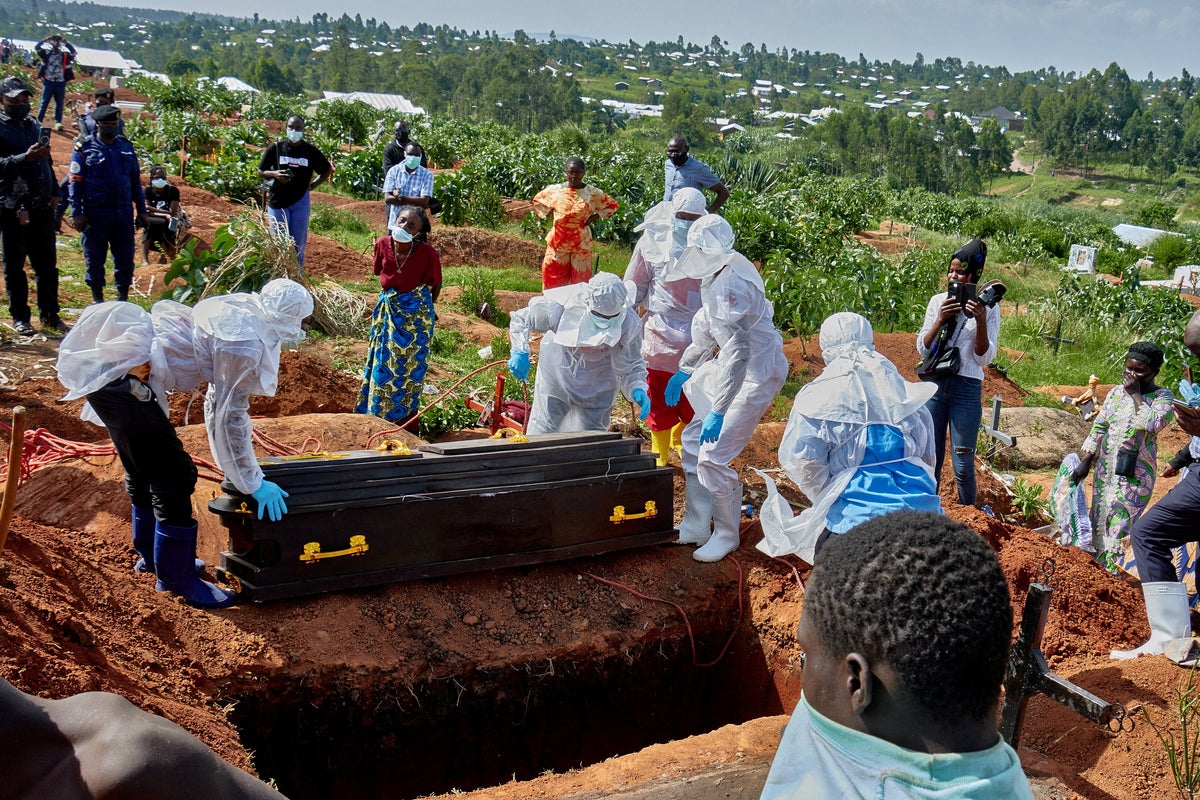
Traditional burial practices also play a massive role in regional African outbreaks. Washing and kissing the deceased is a common sign of respect in many cultures. Because the viral load is highest in a body right after death, these ceremonies frequently turn into super-spreader events. When public health teams work with local communities to implement safe, dignified burials, the numbers drop instantly.
The Modern Arsenal Against the Virus
The world handles Ebola much differently now than it did a decade ago. We are no longer defenseless.
The development of the Ervebo vaccine changed the entire landscape of outbreak response. It targets the Zaire strain of the virus, which is the deadliest variant. Public health teams now use a strategy called ring vaccination. When a person tests positive, responders track down every individual who interacted with them, along with the contacts of those contacts. Everyone in that "ring" gets the vaccine. This creates a human shield of immunity around the infection source.
Therapeutics have also come a long way. Monoclonal antibody treatments, like Inmazeb and Ebanga, have significantly lowered mortality rates. If patients receive these treatments early in the course of the infection, their chances of survival skyrocket.
The challenge today is not a lack of medicine. It is logistical and political. Many outbreaks occur in conflict zones, particularly in the eastern provinces of the DRC. Armed rebel groups, deep-seated distrust of government officials, and rumors about healthcare workers make it incredibly dangerous to deploy medical teams. When health workers have to wear bulletproof vests alongside biohazard suits, containing a virus becomes a logistical nightmare.
How to Assess Your Real Risk
Stop worrying about global maps that color entire nations red because of one isolated hospital case a decade ago. If you do not live in or travel to an active outbreak zone in Central or West Africa, your personal risk of contracting Ebola is effectively zero.
If you are planning to travel to areas with a history of outbreaks, check active health notices from the CDC or WHO before you go. Avoid touching wild animals, particularly bats or monkeys, and stay away from raw bushmeat. If an active outbreak occurs while you are in the region, avoid facilities treating patients and follow local public health directives immediately. Knowledge beats fear every single time. Stay informed about the actual transmission data, ignore the sensationalist maps, and focus on the real-world science of containment.