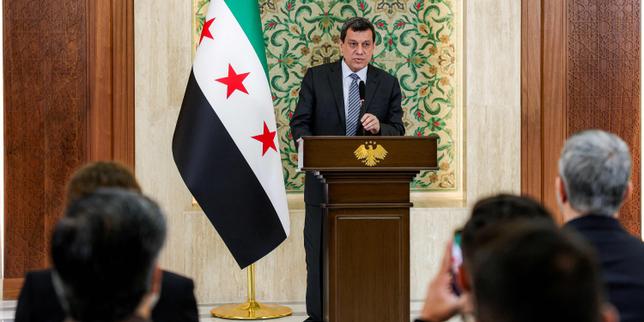
The map of the Middle East just shifted. Mazloum Abdi stepped up to a microphone in Damascus and confirmed what analysts whispered for months: the Syrian Democratic Forces are officially gone.
If you tracked the ground war against the Islamic State, this news hits hard. These fighters were the primary boots on the ground that crushed the caliphate's territorial grip with Western backing. Now, they're folding completely into the national Syrian military apparatus under President Ahmad al-Sharaa.
The End of De Facto Autonomy
For over a decade, northeastern Syria operated under a distinct semi-autonomous administration. They ran their own civil institutions, managed oil fields, and secured borders without Damascus breathing down their necks. That era is over.
The integration didn't happen in a vacuum. Following intense military pressure and territorial losses in oil-rich regions like Raqqa and Deir Ezzor earlier in the year, leadership chose negotiation over endless bloodshed. Abdi stated clearly from the presidential palace that the mission of an independent force has reached its completion.
Let's look at what actually changed on paper:
- Full military absorption into regular Syrian army brigades.
- Key commanders stepping into national defense and administrative roles.
- State control restored over infrastructure, airports, and energy assets.
What the New Damascus Deal Actually Delivers
Critics call it a bitter capitulation. Supporters argue it's a pragmatic survival strategy in a hostile neighborhood. When Washington shifted its diplomatic weight toward the post-Assad administration in Damascus, the Kurdish leadership lost its primary geopolitical shield.
Yet, the deal isn't a total wipeout for Kurdish rights. Earlier presidential decrees made historic concessions. For the first time since Syria's independence in 1946, Kurdish was recognized as a national language. Celebrations like Nowruz became official holidays, and decades-old citizenship issues for thousands in Hasakeh finally got resolved.
You have to weigh these cultural gains against the absolute loss of military independence. Autonomy without guns to back it up is fragile. But holding onto weapons against a resurgent centralized state backed by shifting international alliances was a losing hand.
The Regional Ripple Effects
Turkey watched these developments closely. Ankara long designated these groups as security threats due to historical cross-border insurgencies. With the armed faction now dissolved and merged into state-controlled structures, the pretext for massive cross-border military interventions shifts dramatically.
Meanwhile, international partners moved thousands of detained Islamic State fighters out of local camps into neighboring Iraq. Western capitals needed a tidy exit strategy from an expensive proxy partnership, and a unified Syrian state offered them just that.
History rarely moves backward. The fighters who once liberated Kobane now wear national uniforms inside a centralized republic. Whether this integration secures long-term minority protection or buries Kurdish political leverage depends entirely on how Damascus implements its promises. Watch the constitutional drafting process closely next. That's where the real fight moves.