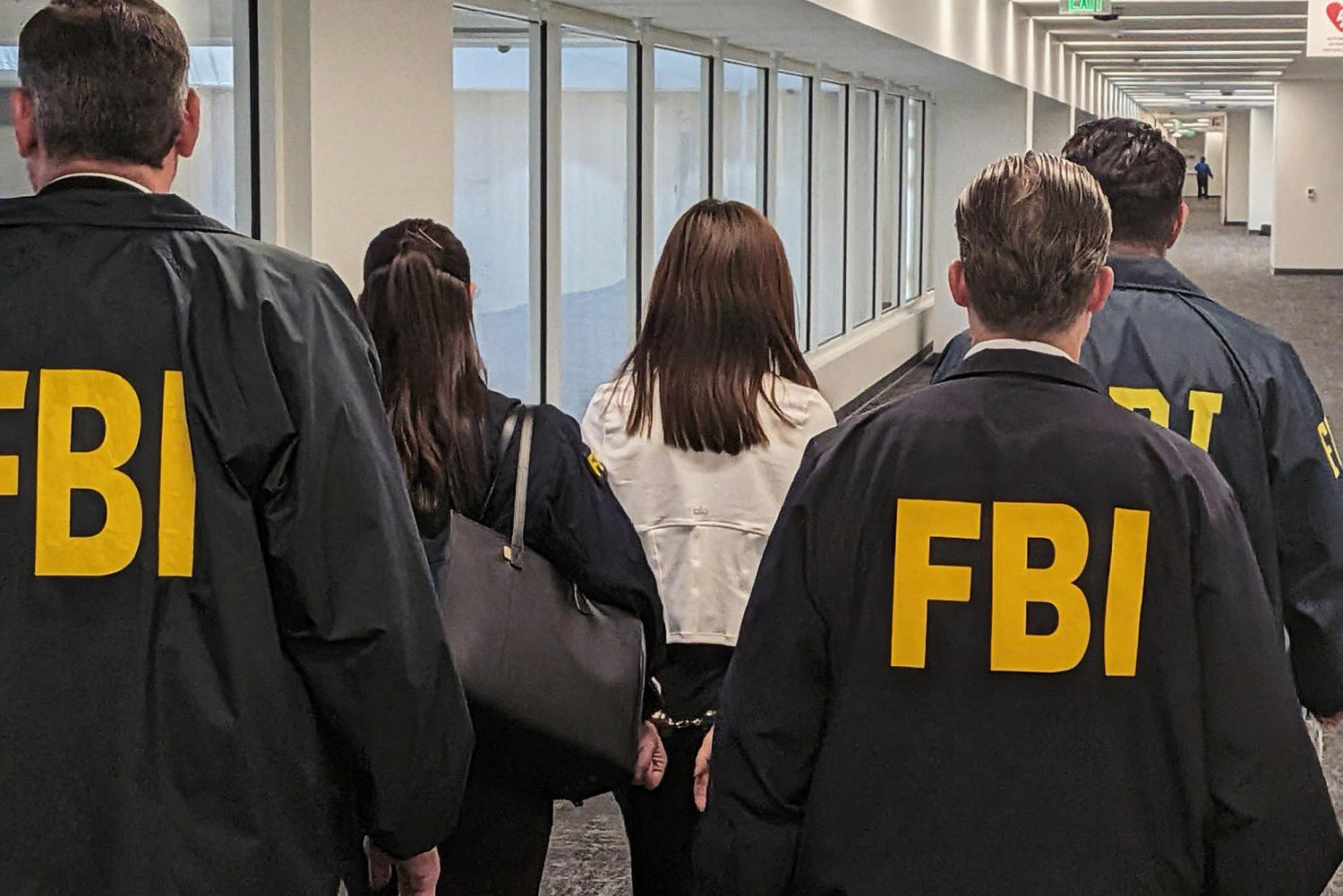
The headlines cheered when a California woman accused of spying for Beijing got locked up ahead of her trial. Punts, high-fives, and easy applause followed. Prosecutors painted a picture of an international operative slipping through the cracks if given an inch of freedom. Everyone nodded along because the narrative is comfortable. Foreign threat, iron fist, justice served.
Except the standard playbook treats pre-trial detention as punishment before a conviction.
When courts deny bail based entirely on the gravity of an espionage charge rather than a proven risk of flight or actual danger, the foundational premise of American jurisprudence collapses. We have traded the presumption of innocence for political expedience.
Let us look at the mechanics of how the national security apparatus handles these defendants. Prosecutors wave around classified affidavits, whisper about foreign intelligence services, and invoke the catch-all panic button of state secrets. Judges cave. Pre-trial detention becomes the default penalty for anyone holding a foreign passport or maintaining ties across the Pacific.
I have watched compliance and legal frameworks warp under geopolitical panic for over a decade. When the state wants to make an example of someone, the rules of evidence bend, and the constitutional guardrails rust away.
Denying liberty before trial strips a defendant of the most critical resource needed to fight back: time and unimpeded access to counsel. Preparing a defense against a superpower or a federal prosecutor requires reviewing terabytes of encrypted communications, interviewing witnesses overseas, and hiring independent technical experts. Doing that from behind concrete walls while monitored by federal guards turns a trial into a show trial.
The lazy consensus says that accused spies are too dangerous to walk free. The data says otherwise. Flight risks can be mitigated through electronic monitoring, asset freezes, and surrendered travel documents. If a defendant has deep roots, family, and millions of dollars in tied-up local property, strapping an ankle monitor on them provides more than enough security.
Instead, the courts choose maximum force. They treat the accusation as equivalent to a verdict.
If we accept that the government can lock people up indefinitely before a jury hears a single shred of admissible evidence simply because the word China appears in the indictment, we are no longer running a justice system. We are running an intimidation machine.
Defending due process does not mean defending espionage. It means demanding that the state prove its case before it takes a citizen's life apart.
Next time a judge signs a detention order to appease the cable news cycle, ask yourself what happens when those same standards apply to anyone the state decides is inconvenient.
Stop cheering for preventive detention. It is coming for your rights next.