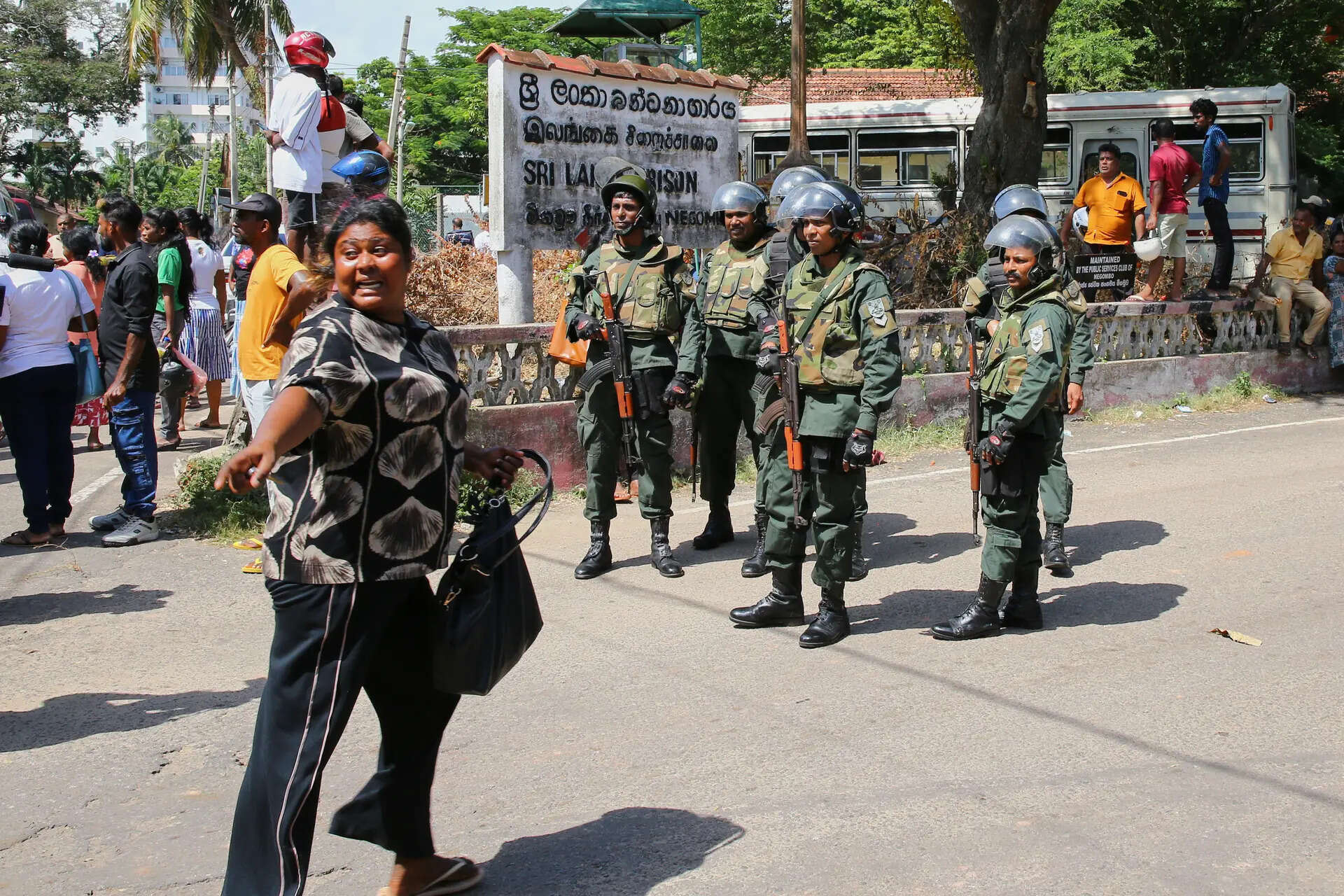
A dynamic powder keg doesn't ignite itself. It requires a specific cocktail of systemic neglect, overcrowding, and unchecked criminal networks to spark a catastrophe. That's exactly what played out over two horrific days at the Negombo prison on Sri Lanka's western coast, leaving 26 people dead and more than 100 injured.
This wasn't just a random spontaneous fistfight that spun out of control. It was a massive failure of an institutional system that has been buckling under its own weight for decades.
If you want to understand why these riots happen, you have to look past the immediate headlines. The real story isn't just about the brutal violence; it's about the catastrophic failure of the Sri Lankan penal infrastructure and the lucrative underground drug trade operating right under the noses of authorities.
The Anatomy of a Two Day Bloodbath
The chaos began on a Sunday morning during breakfast. What started as a confrontation between two distinct groups of inmates quickly transformed into an all-out war. On one side were the convicted prisoners, individuals serving out permanent sentences. On the other side were the remand prisoners, those held under temporary detention awaiting trial.
Initial skirmishes left two inmates dead and 38 injured. For a brief moment, it seemed like the worst was over. But prisons are pressure cookers. By Monday morning, a second, far more lethal wave of violence erupted.
Inmates didn't just target each other; they turned their fury toward the facility itself. Armed with makeshift weapons and firearms that fell into their hands during the chaos, prisoners chased guards toward the main gates in a desperate breakout attempt.
The state had to deploy police riot squads and military personnel to regain control. By the time the dust settled, 19 inmates and seven prison officials were dead. Dozens of others were rushed to Negombo Hospital and surrounding facilities with gunshot wounds, severe cuts, and blunt-force trauma.
The Toxic Intersection of Overcrowding and Drug Gangs
To truly grasp the gravity of the Negombo tragedy, you need to look at the numbers. Sri Lanka’s prison system is built to hold roughly 10,000 inmates. Instead, it regularly crams over 39,000 people into those same spaces. The Negombo facility alone was housing 2,417 inmates at the time of the riot—a staggering surplus that makes effective supervision practically impossible.
When you pack people into tight spaces under sweltering conditions, tension is a given. But overcrowding is only half the equation. The real catalyst here was the deep-seated influence of the narcotics underworld.
Justice Minister Harshana Nanayakkara openly acknowledged that the root cause of the violence stemmed from a bitter feud between two rival drug factions. One group allegedly controlled a highly lucrative drug trafficking network operating inside the prison walls, while an opposing faction sought to challenge their dominance.
Prisons are supposed to cut criminals off from their networks. Instead, facilities like Negombo often act as operational hubs where gang leaders continue to run their street empires, secure contraband, and settle scores with impunity.
A History of Ignored Warning Signs
The tragic reality is that Sri Lanka has seen this script play out before, yet successive administrations have failed to implement genuine structural reforms.
- 2012 Welikada Riot: A search for illegal arms and contraband led to a massive shootout, resulting in the deaths of 27 inmates.
- 2020 Mahara Prison Unrest: Amid the height of pandemic anxieties and severe overcrowding, a riot broke out leaving 11 inmates dead.
Every single time one of these disasters occurs, the government expresses deep shock, appoints an investigative committee, and promises to fix the system. Yet the fundamental issues—bloated remand populations, slow judicial processing times, and systemic corruption that allows weapons and drugs into high-security zones—remain completely untouched.
When Justice Minister Nanayakkara stood before reporters and took public responsibility for the 26 lives lost, it was a rare moment of political accountability. But words don't fix broken walls, and they certainly don't protect the understaffed, under-equipped guards who are left to police these volatile environments.
Breaking the Cycle of Penal Violence
Stopping the next prison riot requires moving beyond reactionary measures like military deployment and temporary inmate transfers. The government needs to aggressively dismantle the internal economies of these prisons by heavily auditing staff and utilizing advanced signal-jamming technology to cut off communication between incarcerated cartel leaders and the outside world.
Furthermore, the judicial system must accelerate the trial process for remand prisoners. Holding thousands of unconvicted individuals in indefinite limbo alongside hardened criminals is a logistical nightmare that fuels desperation. Until the state addresses the underlying crisis of overcrowding and completely roots out the prison drug trade, facilities across the island will remain ticking time bombs.