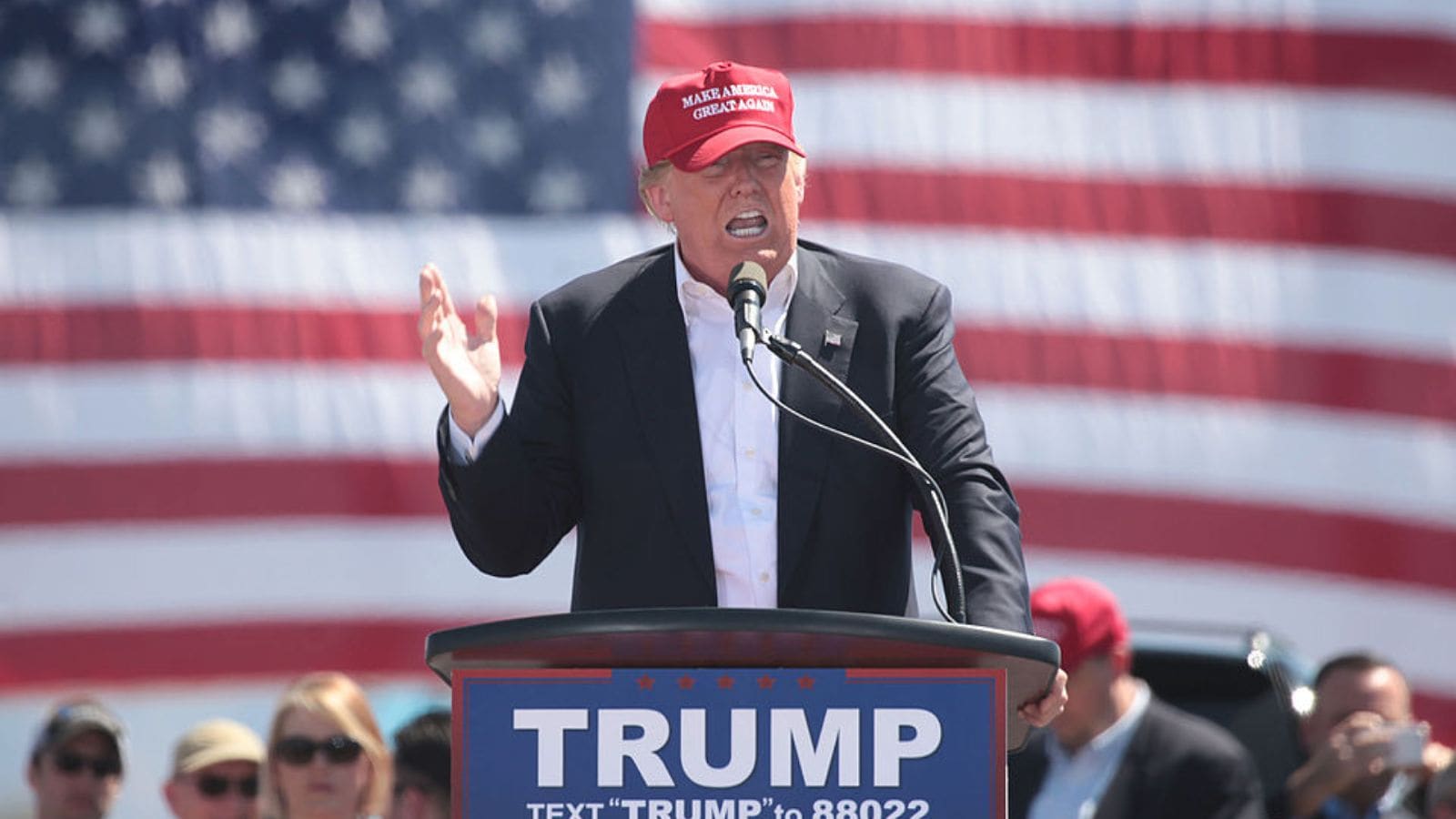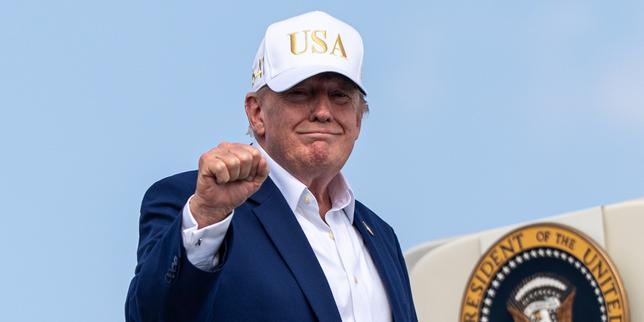
US President Donald Trump announced a counter-demand for financial reparations from Iran, insisting that Tehran compensate Washington for decades of American casualties and domestic suppression. This sharp rhetorical escalation arrived directly in response to Iranian negotiators tabling their own demands for war reparations to cover the devastation inflicted by five months of US and Israeli military strikes.
The diplomatic collision immediately rattled international markets. Brent crude futures surged over four percent to trade above $87 a barrel, while West Texas Intermediate climbed past $81. Traders recognized the obvious signal. Hopes for an imminent agreement to reopen the vital Strait of Hormuz—through which a massive share of global petroleum transit flows—had effectively evaporated.
The Mechanics of a Diplomatic Stalemate
Negotiation is rarely a linear exercise. When one side introduces an unexpected condition, the opposing playbook often dictates an aggressive mirror response designed to shatter the premise of the original claim.
Iranian officials had arrived at the table with a strict prerequisite list for unblocking the strategic waterway. Their terms included the complete cessation of American port blockades, the release of frozen national assets, the lifting of punishing economic sanctions, and direct financial recompense for infrastructure and human losses sustained during the five-month conflict.
Trump dismissed the premise with characteristic speed via social media. Pointing out that Tehran's demand for war damages was missing from earlier diplomatic channels, he flipped the script entirely.
"I see that representatives of the Islamic Republic of Iran are asking for compensation for the damage done to them during the last five month military conflict... But it is an interesting idea because now I am likewise demanding compensation from Iran, for all of the people that they have killed and gravely wounded."
The instruction to American diplomatic teams was explicit. The newly formulated conditions must anchor any future dialogue.
Expanding the Scope of Accountability
By tying current economic relief to historical grievances, the administration expanded the perimeter of the talks far beyond the immediate naval standoff in the Gulf.
The President's stated ledger covers a sweeping timeline. It references legacy casualties from proxy conflicts and roadside explosive attacks associated with the late General Qasem Soleimani, alongside victims of historical incidents like the 2000 bombing of the USS Cole. Furthermore, the framework pulls in human rights arguments, demanding financial accountability for the deaths of anti-government protesters suppressed by security forces over the last five decades, as well as those killed during the recent five-month military engagement. Subsequent statements extended this liability further, suggesting Tehran should also cover damages inflicted across Lebanon, Syria, Yemen, and Gaza.
Insisting on reparations for half a century of regional conflict transforms a localized maritime dispute into an impossible diplomatic puzzle. Tehran cannot accept these terms without forfeiting its foundational geopolitical posture, making the demands a practical nonstarter for Iran's leadership.
The Domestic and Regional Fallout
Behind these public pronouncements lies a tense political calendar. Washington faces high-stakes midterm elections in November. Stubbornly high inflation and elevated energy costs threaten Republican electoral prospects, creating intense urgency within the White House to secure a stabilizing win in the Middle East.
Yet, regional partners are moving along divergent tracks. Israel recently pushed back against broader American frameworks for ending regional hostilities, with Prime Minister Benjamin Netanyahu openly rejecting phased withdrawal plans for Gaza. At the same time, Iran has engaged in parallel, low-level technical discussions with intermediaries like Oman regarding temporary commercial shipping corridors, attempting to bypass total isolation while keeping the broader strategic pressure on Washington.
The convergence of unyielding positions leaves the Strait of Hormuz effectively shuttered to normal transit. As long as both capitals treat financial reparations and historical grievances as non-negotiable prerequisites for basic commerce, the corridor remains a chokepoint for the global economy