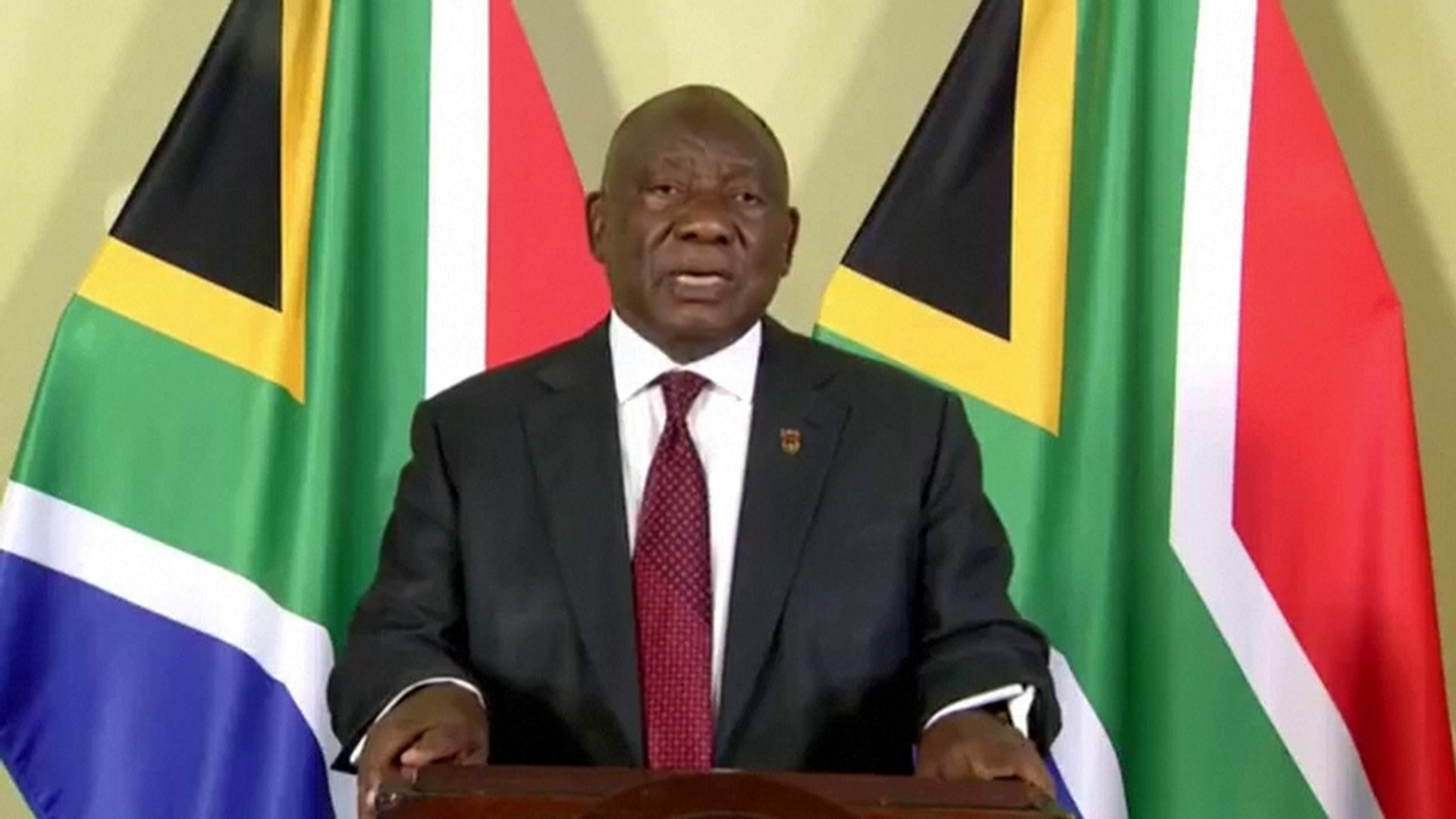
Cyril Ramaphosa isn't going anywhere. Despite the mounting pressure, the blistering headlines, and the loud demands from political rivals, the South African President has made his stance clear. He's staying put. You might think a leader facing such intense heat would pack his bags to save his reputation. In South African politics, it's never that simple. Power isn't just held; it's defended with every legal and political tool available.
The noise reached a fever pitch recently. Calls for his resignation didn't just come from the usual opposition benches. They echoed within the corridors of his own party, the African National Congress (ANC). Yet, Ramaphosa’s spokesperson, Vincent Magwenya, confirmed the President’s resolve. He isn't resigning based on a flawed report. He isn't quitting because it’s the easy way out. He’s digging in.
The Phala Phala Scandal Explained Simply
To understand why people want him gone, you have to look at a farm in Limpopo. It’s called Phala Phala. This isn't just some rural retreat. It’s the site of a bizarre theft that occurred back in 2020. Millions of dollars—stashed in furniture, of all places—were stolen. The public didn't hear about it from the police. They heard about it from Arthur Fraser, the former spy chief, who filed a criminal complaint two years after the fact.
Why was that much foreign currency on a farm? Why wasn't it reported immediately? These questions have haunted Ramaphosa’s presidency. A section 89 panel, led by a former chief justice, suggested there might be a case for impeachment. They found he may have violated the constitution. That's a heavy accusation. It’s the kind of thing that ends careers in most stable democracies.
But Ramaphosa’s team argues the report is legally shaky. They claim it’s based on hearsay and lacks solid evidence. By challenging the report in the Constitutional Court, the President bought himself time. It’s a classic move. When the law is used as a weapon, you fight back with better lawyers. He’s betting that the judicial process will move slowly enough for him to consolidate his grip on the ANC.
Internal ANC Power Struggles are the Real Story
South African politics is a blood sport. The ANC is a broad church, but right now, the pews are fighting each other. On one side, you have the reformers who see Ramaphosa as the only person capable of cleaning up the "state capture" mess left by his predecessor, Jacob Zuma. On the other, you have the "Radical Economic Transformation" (RET) faction. They want him out, not necessarily because they care about the rule of law, but because they want their turn at the trough.
If Ramaphosa resigns, the vacuum would be catastrophic for his faction. The party is headed toward an elective conference. If he walks away now, he leaves his allies exposed. He knows this. His supporters know this. Staying in office isn't just about his own ego. It’s about survival for a specific vision of the ANC.
Investors are watching this play out with white knuckles. The South African Rand is sensitive. Every time a rumor slips out that he might quit, the currency tanks. The market sees him as the "safe" choice. Compared to the alternatives within the ANC, he’s viewed as a technocrat who understands global economics. If he leaves, the uncertainty could trigger a massive capital flight. He uses this as leverage. It’s a way of saying, "If I go, I’m taking the economy with me."
What Most People Get Wrong About South African Impeachment
You might hear the word "impeachment" and think of the US system. It doesn't work like that here. To remove a president in South Africa, you need a two-thirds majority in the National Assembly. The ANC holds the majority. Unless the party turns on him completely, an impeachment vote is dead on arrival.
The President's critics are screaming for him to "step aside." This refers to an ANC internal rule where members charged with corruption must vacate their posts. But Ramaphosa hasn't been charged. Not yet. He’s under investigation, sure. But the "step aside" rule hasn't been triggered. He’s playing by the book he helped write.
Why the Resistance to Quitting Matters
Ramaphosa’s refusal to quit tells us a lot about the state of South African democracy. It shows that the Presidency is no longer a seat of absolute, unchallenged power. It’s a contested space. He’s fighting his battles in court and in party sub-committees. This is a shift from the era where the President's word was law.
However, it also shows a worrying trend. The focus of the government has shifted entirely to this scandal. While the President fights for his political life, the country faces record power cuts. Eskom, the national power utility, is crumbling. Unemployment is staggering. Crime is rampant. Every hour spent discussing Phala Phala is an hour not spent fixing the grid or creating jobs.
Critics say he's paralyzed. They’re probably right. It’s hard to lead a country when you’re constantly checking your back for knives. But Ramaphosa believes he's the only one who can keep the ANC from fracturing into pieces. He views himself as the bridge between a corrupt past and a functional future. Whether that's true or just a convenient narrative is what voters will decide.
The Strategy Moving Forward
He's going to fight the Section 89 report tooth and nail. Expect more court filings. Expect his legal team to pick apart every sentence of that report. He needs to discredit the findings before the ANC's top brass decides he's a liability.
He's also going to double down on his "renewal" agenda. He'll point to his successes, however small, in rebuilding the National Prosecuting Authority. He’ll argue that removing him now would undo all the progress made since 2018. It’s a gamble. He’s betting that the fear of what comes after him is stronger than the anger over what he did at Phala Phala.
You should watch the ANC National Executive Committee (NEC) meetings. That’s where the real power lies. The public rallies and TV broadcasts are just theater. The real decisions happen in closed rooms with party heavyweights. If the NEC continues to back him, he stays. If they smell blood and think he'll cost them the next general election, he’s done.
Keep an eye on the constitutional court's reaction to his challenge. If the highest court in the land dismisses his application, his position becomes untenable. Until then, he's the President. He’s not going to jump; he’ll have to be pushed. And right now, no one has quite enough strength to shove him off the ledge.
Keep your focus on the upcoming ANC elective conference. That is the finish line. If he can survive until then and get re-elected as party leader, the Phala Phala scandal becomes a secondary issue. He’ll have a fresh mandate. He’ll have the power to purge his enemies. That’s the prize he’s eyeing. He isn't resigning because he thinks he can still win the long game. Given his history as a master negotiator, you shouldn't bet against him just yet.