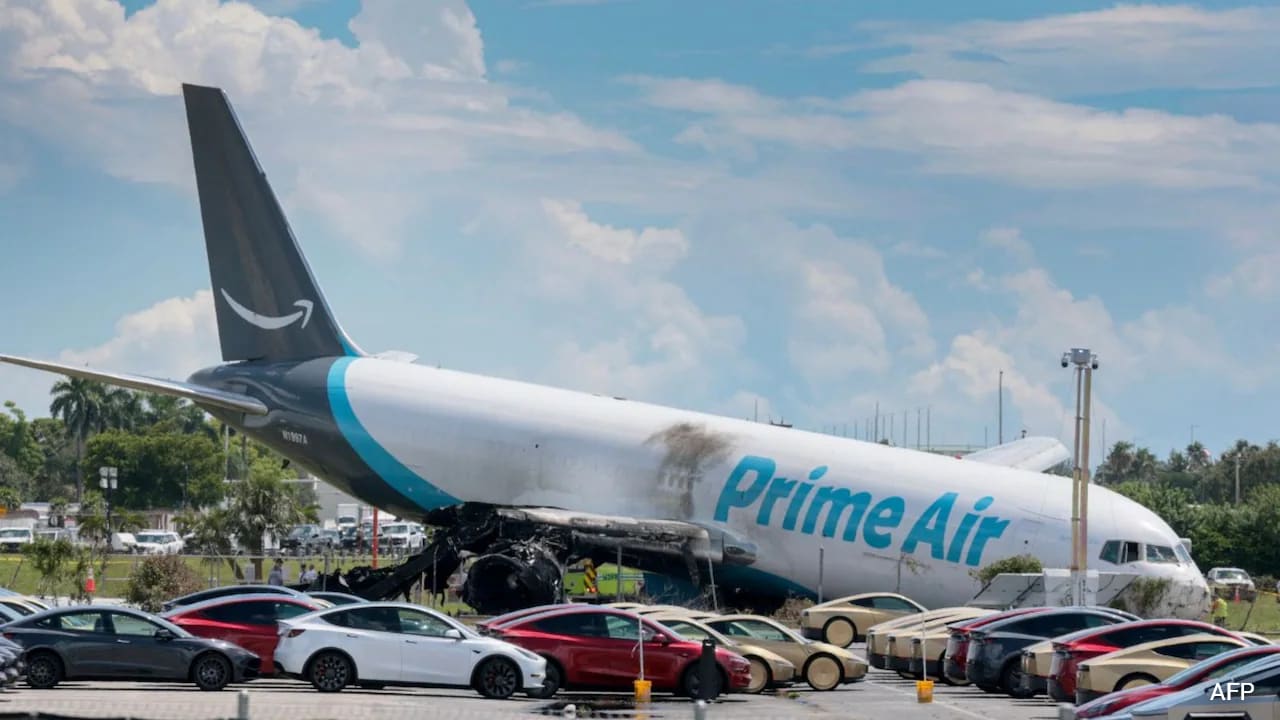
A plane goes down. Five lives are snuffed out on a runway. The headlines roll in with predictable, manufactured outrage. A retail monolith swoops in like an offended corporate patron, cutting ties with the cargo carrier in a swift public relations maneuver designed to look like moral clarity.
It is nothing of the sort. It is a calculated dodge.
When a logistics partner suffers a fatal catastrophe, dropping them like a burning match allows retail giants to scrub their hands clean of the blood. The media applauds the decisive action. Shareholders breathe a sigh of relief. The public assumes justice has been served in the boardroom.
Look closer at the mechanics of modern supply chain economics. Corporations do not build massive physical logistics networks out of pure altruism or casual oversight; they squeeze every ounce of operational velocity out of subcontracted third parties. When the system breaks under that relentless tension, the company at the top of the food chain acts shocked. They pretend they had no idea how cheap the parts were, how tired the crews were, or how thin the safety margins had been stretched.
This is the dirty secret of modern e-commerce fulfillment. The tragedy on the runway was not an isolated anomaly born out of nowhere. It was the predictable byproduct of a system built on extreme cost compression and breakneck delivery speeds. Cutting off one carrier does not fix the machine. It merely replaces the broken cog with a fresh one, ready to be ground down just as fast.
The Anatomy of the Subcontracting Shield
To understand why severing ties with a cargo carrier is a hollow gesture, you must understand how corporate risk transfer actually operates.
Retail platforms do not want the regulatory headaches, union battles, and capital liabilities of owning and operating an entire fleet of heavy aircraft directly. Doing so exposes them to direct federal scrutiny, massive balance sheet liabilities, and direct operational responsibility when something goes terribly wrong.
Instead, they outsource the physical risk. They contract regional, mid-tier cargo carriers to fly the packages across continents under white-label branding. These carriers bid against each other in ruthless reverse auctions. The winner is almost always the company willing to operate on the slimmest margin.
Let us define terms precisely. In cargo aviation, a razor-thin margin does not mean the executive team takes a slight pay cut. It means maintenance budgets are scrutinized to the penny. It means replacement parts are delayed until the absolute legal limit. It means pilot scheduling pushes right up against the edge of federal fatigue limits because keeping spare crews on standby costs money that the contract rate does not cover.
When an accident occurs, the retail giant points its finger downward. They declare that safety is their core value. They announce an immediate suspension of the carrier, treating the vendor like a rogue actor who somehow snuck past their rigorous vetting process.
It is a lie. The retail giant set the price, set the delivery window, and demanded the exact velocity that strained the carrier to its breaking point. Then, when the structure collapses, they act like surprised victims of bad corporate behavior.
Experience on the Tarmac
I have watched logistics contracts negotiated behind closed doors. I have seen procurement managers stare at safety records with complete detachment, treating accident rates as mere statistical variances on a spreadsheet.
When you put a regional carrier on a starvation diet of low-bid contracts, you are not buying efficiency. You are rolling dice on structural fatigue. You are gambling that a tired pilot flying an aging airframe through a midnight squall will somehow defy the odds because the algorithm demands the package arrive by dawn.
The corporate headquarters thousands of miles away does not hear the maintenance crew arguing over whether an aging hydraulic seal can make one more flight cycle. They only see the tracking status updating in real-time. When that plane fails, the headquarters does not examine its own pricing structure. They draft a press release, terminate the contract, and call a press conference to project strength.
It is institutional cowardice disguised as decisive leadership.
The Game of Musical Chairs
Suspending one cargo carrier solves zero systemic problems. There is a long queue of desperate regional operators ready to step into the vacancy, accepting the exact same financial pressure cooker.
The aviation industry is suffering from a structural shortage of experienced mechanics, qualified parts, and rested flight crews. When a major retail platform drops a carrier, that carrier either goes bankrupt or scrambles to find lower-paying work elsewhere. Meanwhile, the platform simply awards the volume to another carrier operating under the exact same economic constraints.
The risk does not vanish. It merely gets transferred to a new set of shoulders buckling under identical weight.
People ask who is legally liable when a cargo plane crashes. They look at Federal Aviation Administration records, pilot flight logs, and weather charts. They miss the macro-architectural pressure applied by the platform economy. A freight company does not fly fatigued crews or defer maintenance because they enjoy living dangerously. They do it because the economics of modern retail logistics leave them no financial breathing room to do otherwise.
If a carrier refuses to cut corners, they lose the contract to a competitor who will. That is the reality of the market that the corporate press releases conveniently omit.
The video below shows the daily operational reality of cargo handling and ramp logistics under high-pressure delivery schedules.
Dismantling the Delivery Cult
The cultural obsession with fast shipping has created a moral blind spot in modern consumerism. We demand that books, gadgets, and household goods appear on our doorsteps within twenty-four hours, and we pretend that this magic happens through pure goodwill and technological wizardry.
It does not. It happens because an army of low-wage warehouse workers, subcontracted drivers, and regional cargo pilots are absorbing the physical and operational toll of our impatience.
When a fatal crash happens, we briefly look behind the curtain. We recoil at the wreckage on the runway. We demand accountability. But instead of questioning our own addiction to instant delivery, we accept the corporate scapegoating of a single vendor and go right back to clicking order buttons.
We want the speed without the blood. We want the convenience without the casualties. And corporate America is more than happy to feed that illusion by sacrificing a vendor every time the math of cost-cutting turns deadly.
Blueprint for Genuine Reform
If regulatory bodies and corporate boards actually wanted to fix aviation safety in the e-commerce boom, they would stop playing PR theater and enact structural changes that actually matter.
First, tie freight contract pricing to mandatory maintenance reserves and pilot rest minimums. If a retail platform wants guaranteed overnight delivery, the contract must legally mandate that a specific percentage of the payout goes directly toward fleet modernization and crew wellness, insulated from executive bonuses or profit margins.
Second, hold the commissioning platform jointly liable for safety compliance. When a retail giant dictates the flight schedules and delivery windows, they share operational control. Stripping away the legal insulation that allows multi-trillion-dollar corporations to hide behind third-party sub-contractors would change behavior overnight. If corporate balance sheets were directly on the line for safety failures, delivery speeds would suddenly become secondary to structural integrity.
Third, ban reverse auctions for heavy cargo transport. Safety-critical industries cannot function on a race-to-the-bottom pricing model. When the lowest bidder wins a contract to haul tons of freight through crowded airspace at high speeds, everyone on the ground is strapped into a ride they never signed up for.
Until regulators have the backbone to target the architects of the pressure cooker rather than just the operators who burn up inside it, these tragedies will repeat.
Firing a vendor after a disaster is not accountability. It is an eviction notice served on the evidence. And until we look at the logistics behemoths holding the leash, the bodies will keep piling up on the tarmac.