Ink dries on a customs form. A rubber stamp falls with a heavy, final thud. To the bureaucrat sitting behind the reinforced glass, that sound is simply the closing of a file. To Tariq, standing in the stinging Kabul dust with a shipping container full of dried fruit and pharmaceuticals growing warm in the morning sun, that sound is the snapping of a lifeline.
Tariq is a hypothetical trader, yes, but he represents the breathing, bleeding reality of thousands who wake up every morning trying to trade across a razor wire. His story is not unique. It is the story of modern commerce trapped in geopolitical quicksand, where a single missing signature can turn life-saving medicine into expensive warehouse waste.
We rarely think about the plumbing of international trade until it backs up. We see the final product—a box of antibiotics on a sterile pharmacy shelf, a bag of almonds in a metropolitan supermarket—and we assume magic brought it there. It didn't. It arrived because someone negotiated a payment channel, secured a transit route, and convinced a nervous bank that the transaction wasn't a crime.
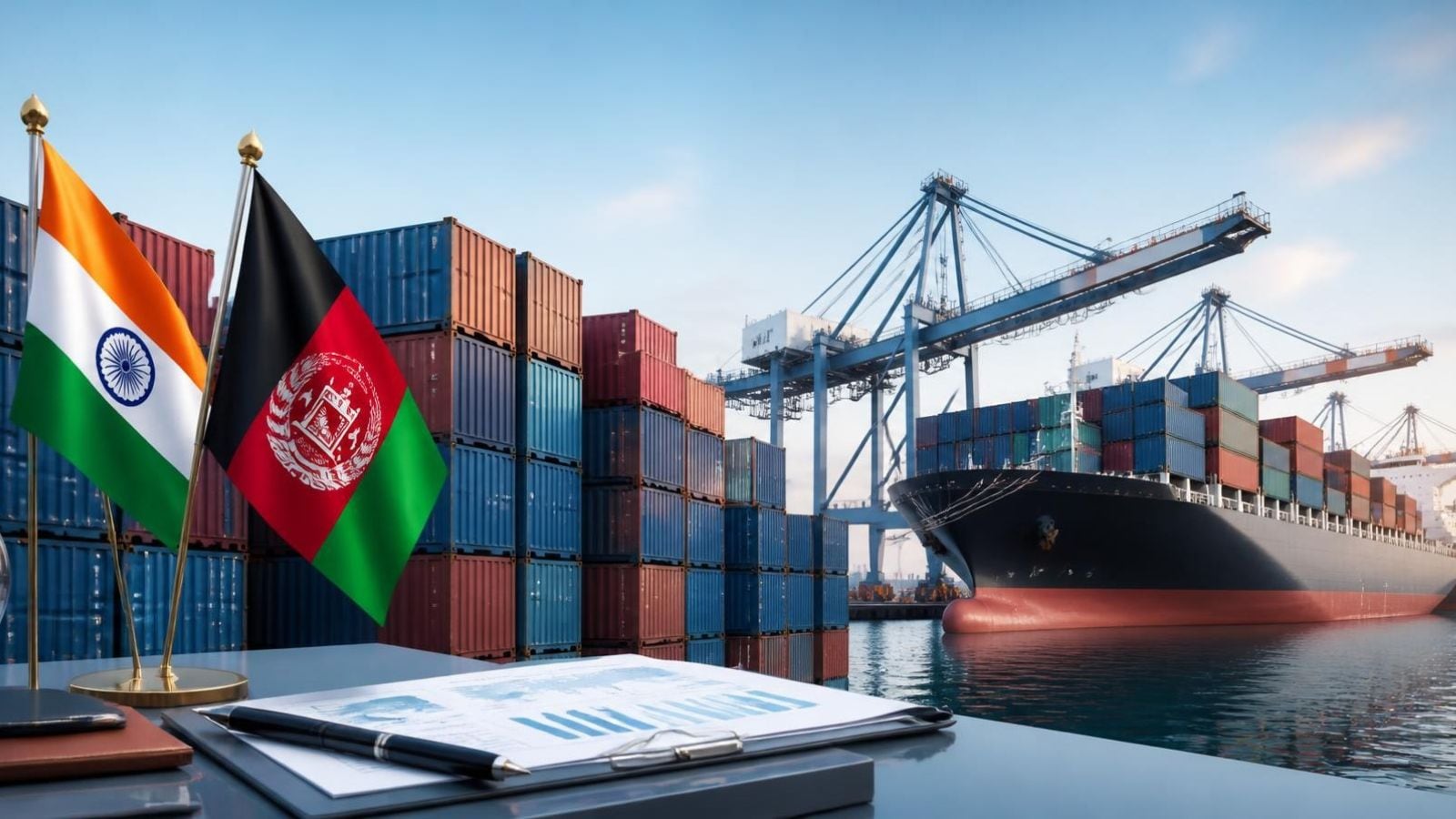
Recently, representatives from India and Afghanistan sat across a polished conference table to talk about visa facilitation for traders, banking hurdles, and pharmaceutical supply chains. In the dry language of international dispatch, it was a trade meet. In human terms, it was an attempt to keep people alive.
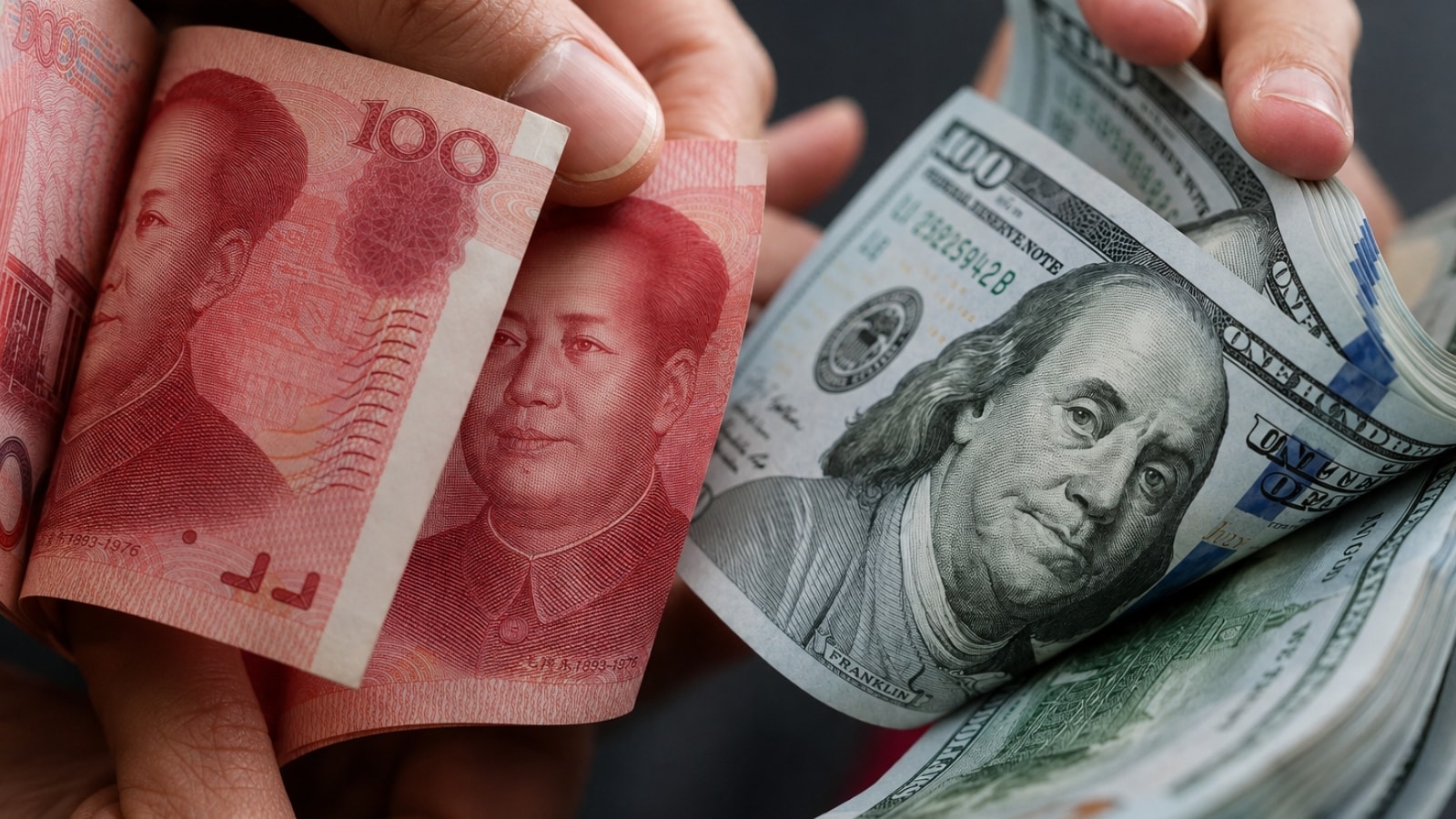
Consider what happens when a banking corridor freezes. Money is the blood of trade, and right now, the financial arteries connecting New Delhi and Kabul are choked with scar tissue. When regular commercial banks pull back due to sanctions, compliance fears, and regulatory terror, trade doesn't stop. It goes underground. It bleeds into unregulated informal hawala networks, where fees devour profit margins and transparency vanishes.
Imagine trying to buy three tons of essential cardiac medication when you cannot wire payment through a recognized bank. You carry cash across borders, risking seizure, robbery, and arrest. You rely on intermediaries whose trustworthiness is measured only by their survival instinct. This is the hidden friction of commerce in a fractured world. It is expensive, dangerous, and ultimately paid for by the consumer who pays double for medicine they desperately need.
The recent diplomatic discussions aimed at untangling this knot. When officials talk about banking cooperation in this context, they are not talking about corporate bonuses or high-frequency stock trading. They are talking about whether a merchant can clear an invoice without breaking the law or losing half their capital to predatory exchange rates.
Then there is the human element of movement. A trader who cannot secure a visa is a ghost trying to run a business. Trade is built on eye contact. It requires shaking hands over samples of cumin, inspecting warehouse floors, and resolving disputes over tea rather than through slow, expensive arbitration. When borders slam shut to human travel, mistrust fills the vacuum.
India has long been the pharmacy of the developing world, exporting affordable, high-quality generic drugs that sustain healthcare systems far beyond its borders. But pharmaceuticals do not walk themselves across frontiers. They require temperature-controlled transport, rapid customs clearance, and predictable delivery schedules. When a truckload of life-saving drugs sits at a border crossing for weeks because a visa was denied or a customs official is waiting for a bribe, the supply chain breaks. Patients suffer. Fevers spike. Surgeries are postponed.
We forget how fragile these bridges are until we watch them burn.
The dialogue between Indian and Afghan trade representatives represents a pragmatic retreat from ideological paralysis. It is an acknowledgment that geography is stubborn. Afghanistan needs food, medical supplies, and basic consumer goods. India needs reliable regional markets and a stable trade partner in a critical corridor. Politics divides them, but commerce demands a reconciliation.
Yet, signing a memorandum of understanding is easy. Changing the lived reality on the ground is where policy goes to die.
Think of the customs official at the border post. He does not care about high-level diplomatic communiques. He cares about his daily quota, his security, and the ambiguity of regulations that change with the political wind. Unless high-level visa facilitation translates into a frictionless stamp at the checkpoint, it is just ink on paper. Unless banking agreements create correspondent accounts that smaller regional banks can actually use, the letters of credit will continue to bounce.
There is a profound vulnerability in being a merchant in a conflict zone. Every shipment is a gamble. Every border crossing is a gauntlet. When you speak with traders who navigate this space, you realize they are not romantic adventurers. They are exhausted pragmatists doing math in their heads, calculating whether the profit of a successful delivery will cover the losses of the three shipments that got stuck last month.
The modernization of trade infrastructure between these two regions is not about optimizing corporate balance sheets. It is about restoring a baseline of predictability to an unpredictable world. It is about ensuring that a sick child in Kabul can swallow an antibiotic manufactured in Hyderabad without that pill passing through ten layers of illegal markup and bureaucratic extortion.
We live in an era obsessed with digital transformation, artificial intelligence, and frictionless global logistics. We talk about supply chains as if they were ethereal clouds of data floating above the earth. But every digital transaction rests on a physical reality. It rests on a road, a truck, a warehouse, and a human being willing to risk capital on the promise that tomorrow will look slightly more stable than today.
When nations sit down to clear the path for traders, they are performing an act of structural repair. They are oiling the rusty hinges of human exchange.
The success of these recent talks will not be measured by the length of the final press release. It will be measured by the silence of problems solved. It will be measured by the truck that crosses the border without delay, the invoice that clears in forty-eight hours instead of forty days, and the merchant who can finally book a flight to meet a client without wondering if he will be allowed back home.
Until those changes take root, Tariq and thousands like him will continue to watch the dust rise on the horizon, waiting for the stamp that lets them do business, earn a living, and keep the world running.