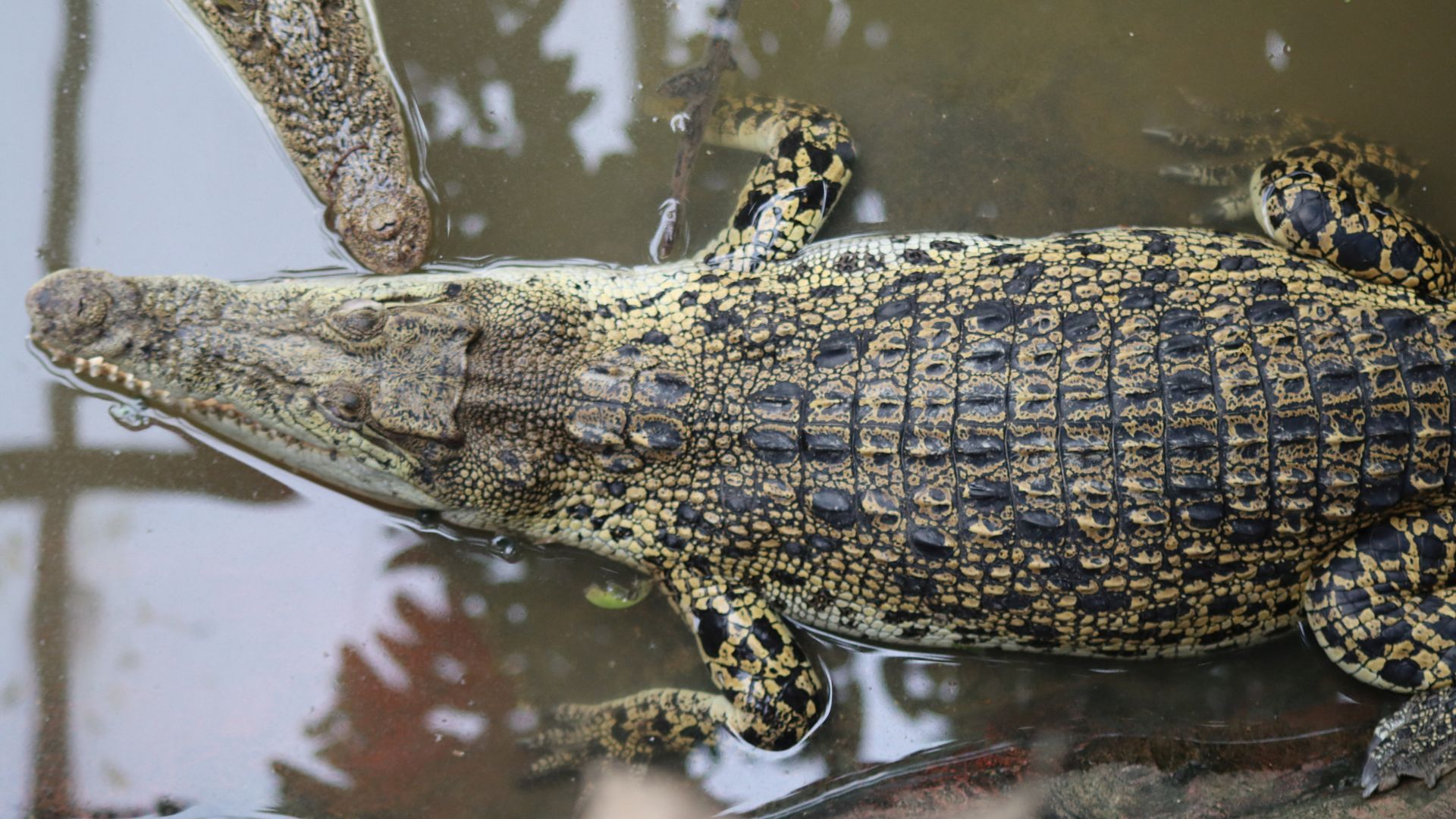
A three-year-old boy is smiling again after surviving what can only be described as a living nightmare. He didn't just wander off at a zoo. He was allegedly thrown directly into a crocodile enclosure at Johnsons of Old Hurst in Cambridgeshire.
It happened on June 18. Since that horrific afternoon, this toddler has endured seven intense surgeries at Addenbrooke's Hospital in Cambridge. His parents recently broke their silence to reveal the staggering scale of his injuries. They admitted they spent the first hours signing resuscitation and amputation consent forms, genuinely terrified their son wouldn't survive the night.
The Brutal Reality of Crocodile Trauma
When the public hears about a reptile attack, the mind goes to bite marks. The medical reality is vastly more destructive. Crocodiles don't just bite; they strike with crushing force and execute a spinning motion designed to tear limbs apart.
When the boy arrived at the hospital, an elite surgical team immediately rushed him into a grueling 12-hour operation. According to his parents, the specialists were forced to rebuild shattered bones, repair torn blood vessels, fix severed tendons, and patch severe tissue loss across both arms, his neck, his head, and his face.
Keeping a three-year-old alive through 12 hours of continuous micro-surgery is an extraordinary feat of anesthesia and trauma medicine. Reptile mouths harbor aggressive, atypical bacteria. This means the medical team wasn't just fighting structural destruction; they were constantly battling the threat of deep, fast-moving tissue infections that could trigger sepsis.
Rebuilding a Child Left Arm From Scratch
The seventh surgery, completed this week, marks a massive milestone in the boy's fight to regain a normal life. Surgeons performed a complex nerve graft on his left arm. They actually harvested a healthy nerve from the toddler's leg to replace a completely missing section of the nerve in his arm.
Nerves don't heal like skin or bone. They regrow at a painstakingly slow rate, usually about one millimeter per day. The parents noted that the goal is for this transplanted nerve to embed itself and slowly restore movement and feeling to his left hand. They won't actually know if the graft worked until specific neurological tests are run in a few months.
Right now, the progress is purely psychological and basic physical movement. Against all odds, the child is talking to his nurses, smiling, and playing games using his feet because his upper body is still heavily restricted.
The Shocking Backstory and Ongoing Investigation
The details surrounding how the boy ended up in the enclosure are deeply disturbing. This wasn't a failure of zoo barriers. Cambridgeshire Police arrested a 30-year-old man from Norfolk at the scene on suspicion of attempted murder.
Reports indicate the suspect has severe learning difficulties and was visiting the wildlife park on an organized trip with professional carers. Authorities have launched a sweeping investigation into the care provider responsible for the suspect to figure out how a child could be grabbed and thrown into danger under their watch. The suspect was evaluated by medical professionals, deemed unfit for immediate police interview, and released on bail until September.
Meanwhile, the zoo's co-owner, Tracey Johnson, is being hailed as a hero. When the alarm was raised via site radios, she didn't wait for emergency services. She leaped directly into the crocodile enclosure to yank the boy out of the reptile's grasp. Off-duty paramedics and police officers who happened to be visiting the zoo that day rushed forward to administer immediate first aid before the MAGPAS Air Ambulance landed.
Long Term Recovery Challenges
A crowdfunding campaign has shattered its original targets, raising over £70,000 to back the family. Both parents have been living at the hospital for a month and have stepped away from work completely to handle the daily emotional and physical toll.
While the surgical phase might be winding down enough for them to dream of going home, the real work is just beginning. Trauma recovery for a toddler involves intensive, multi-year physical therapy to ensure his limbs grow correctly despite the scar tissue and bone damage.
Psychologically, the impact of a violent attack at three years old requires specialized child psychology support to manage potential post-traumatic stress. If you want to help ease their financial burden during this multi-year rehabilitation journey, you can find the verified campaign on GoFundMe under "Helping the family of 3yr old injured in crocodile enclosure".