High above the clouds, three hours out from Changi, the cabin air smells faintly of lemongrass and recycled ambition.
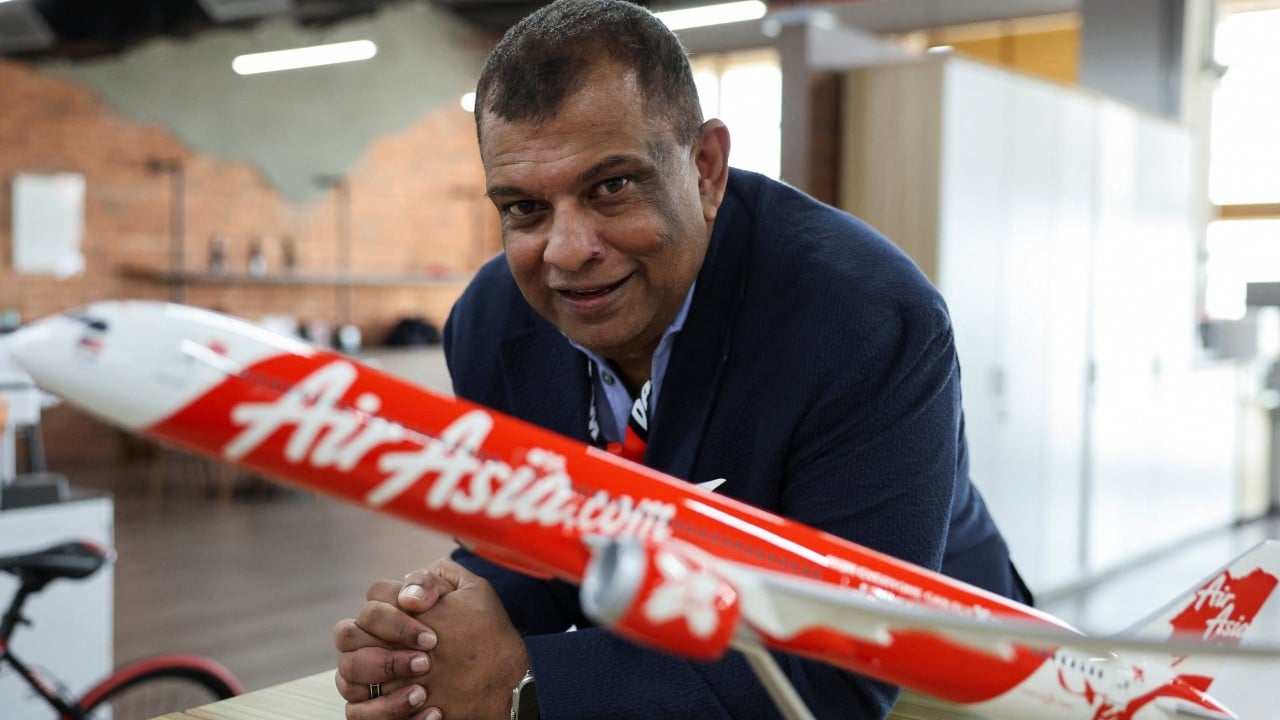
Tony Fernandes is laughing. He is usually laughing. In the pantheon of aviation, he is the loud-shirted anti-establishment hero who took a bankrupt Malaysian carrier and turned it into AirAsia, a low-cost juggernaut that democratized the skies for millions who once thought a passport was just a piece of paper for the wealthy. He built an empire on thrift, punctuality, and the radical proposition that flying should cost less than a pair of shoes.
But pride has a way of stretching thin at thirty-five thousand feet.
Earlier that week, Fernandes had turned his sights—and his smartphone camera—toward Singapore Airlines. The target wasn't their legroom, their safety record, or their punctuality. It was their food. In a video broadcasted to hundreds of thousands of followers, he poked fun at the carrier's legendary in-flight dining, holding up a tray with the theatrical skepticism of a man inspecting roadkill. To him, the multi-course silver-service elegance of a legacy carrier was an overpriced relic. A bloated dinosaur wasting weight on porcelain and parsley while passengers just wanted to get from A to B cheaply.
It was a classic disruptor move. Punch up at the incumbent. Mock the premium tier. Rally the budget-conscious masses who view budget travel as an act of economic rebellion.
Only, he forgot one crucial detail.
You do not insult Singapore’s national pride. And you certainly do not mock their food.
Within hours, the internet erupted. Not with polite chuckles or quiet nods of agreement, but with a tidal wave of backlash so fierce it felt less like a social media squabble and more like an honor defense. Frequent flyers, proud locals, and culinary purists mobilized across TikTok, Instagram, and X. They posted high-resolution tributes to Singapore Airlines’ famed Book the Cook service—lobster thermidor served above the Indian Ocean, beef rendang simmered for hours until the meat yielded like butter, and Peranakan laksa with a fragrant spice paste that defied the physics of pressurized airplane cabins.
People weren't just defending a menu. They were defending a standard.
To understand why that blowback hit so hard, you have to step away from the corporate spreadsheets and look at what food actually represents at five hundred miles per hour.
Airlines are essentially metal tubes hurtling through a near-vacuum where your tastebuds lose thirty percent of their sensitivity due to cabin dryness and low pressure. For most of aviation history, airplane food was a punchline. It was a gray mystery meat served on cracked plastic, a necessary indignity endured to reach a destination.
Then came Singapore Airlines, defying gravity and logic by turning the airborne meal into an experience. They didn't just feed people; they anchored cultural identity to the tray table. When a Singaporean boards a flight home to Changi after a grueling year abroad, the first bite of chicken rice or Hainanese curry isn't just sustenance. It is an embrace. It is the soil of home delivered through the air.
When a budget CEO laughs at that, it stops being a critique of corporate excess. It feels like a dismissal of soul.
There is a profound philosophical divide here, and it defines modern travel. On one side stands the low-cost model: agile, egalitarian, relentlessly efficient. It stripped away the frills to let the common man fly. For that, travelers owe AirAsia and its peers an enormous debt of gratitude. They forced legacy carriers to modernize, lower prices, and stop treating passengers like captive cattle.
Yet, efficiency has an aesthetic cost. When every square inch of space is monetized, when every ounce of weight is calculated to save fuel, the flight experience becomes transactional. You are moving a commodity from one coordinate to another. You are cargo with a passport.
On the other side stands the stubborn romanticism of the legacy carrier. It is an expensive, carbon-heavy, deeply nostalgic way to travel. It insists that the journey matters just as much as the arrival. That a meal should be an event, a moment of pause in a chaotic world where luxury is defined by the luxury of time and attention.
Fernandes wanted to play the populist hero, but he ran headfirst into a truth of human psychology: people do not just want cheap; they want to feel cared for. Even if they are sitting in economy, they want the illusion that someone in the galley cared whether their meal tasted like something real.
Social media is the great equalizer of our era, and it has a very long memory for hubris.
As the digital counter-attack rolled in, food bloggers dissected the nutritional and cultural value of regional airline menus. Commentators pointed out that while AirAsia’s Santan meal program has its own legitimately beloved local hits—like its signature Pak Nasser’s Nasi Lemak—mocking an established culinary institution was an unforced error. It alienated the exact middle-class travelers who occasionally splurge on a premium ticket or pride themselves on Singapore's global reputation for culinary excellence.
The CEO eventually dialed back the rhetoric, offering the kind of half-smiling pivot that executives use when they realize their brand voice has drifted into the territory of a bad-tempered uncle at a dinner party.
But the ripples remain.
The incident exposes the tightrope walk of modern brand leadership. In an age where every off-the-cuff remark can be captured, clipped, and beamed across the globe in seconds, the old playbook of brash CEO bravado is cracking. Consumers are no longer passive audiences watching a corporate rivalry unfold from the bleachers. They are participants. They own the narrative. If a billionaire executive treats a nation's culinary pride as a cheap punchline, the internet will remind him that behind every brand logo are millions of people with a deep, emotional attachment to what they consume.
Next time you find yourself sliding into a cramped economy seat, staring down at a foil-wrapped container or a pristine porcelain plate, think about the invisible stakes sitting on that tray. It is never just food. It is comfort against the cold void of the stratosphere. It is culture defying altitude.
And no matter how cheap the ticket is, some things are simply too sacred to mock.