The concept of a cultural renaissance is usually sold as an organic miracle. We are told that creative stars align, local sports franchises suddenly find their chemistry, and international committees just happen to select a city out of sheer merit. Right now, a specific narrative is being aggressively pushed across media channels: Manhattan is experiencing an unprecedented, spontaneous convergence of high-stakes sports, global entertainment, and pop-culture dominance.
It is a compelling story, but it is fundamentally incomplete.
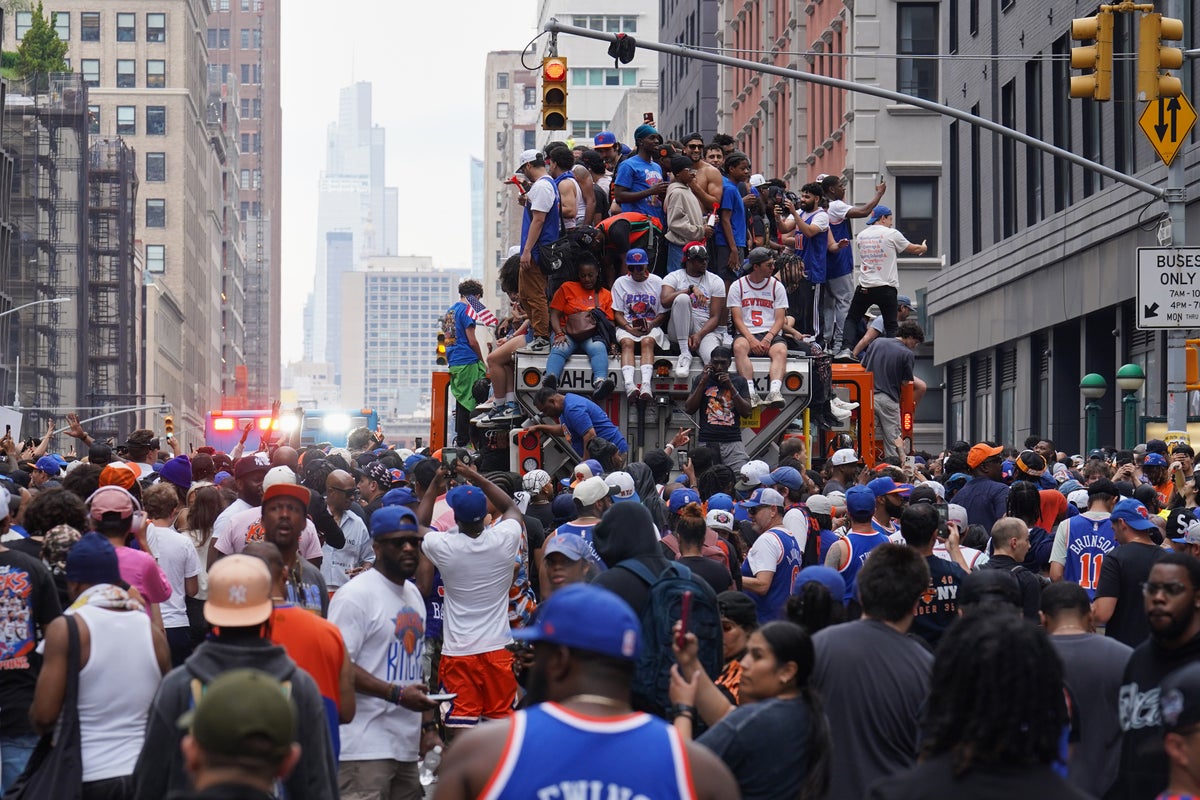
The collision of a deep playoff run by the New York Knicks, the massive logistical preparation for the World Cup, and the local economic circus surrounding Taylor Swift’s personal life isn’t a coincidence. It is the result of a calculated, multi-billion-dollar infrastructure machine working exactly as designed. The city isn’t experiencing a lucky streak. It is executing a highly engineered economic strategy that leverages sports fandom, celebrity obsession, and municipal tax incentives to draw massive capital into a concentrated urban core.
The Price of Admission at Madison Square Garden
For decades, the financial health of Midtown Manhattan has been tethered to the performance of Madison Square Garden. When the Knicks languish, the surrounding bars, hotels, and transit hubs feel the contraction. When they win, the economic velocity changes overnight.
But the current surge in sports spending isn’t just about fans buying jerseys. It is about a hyper-inflationary ticket ecosystem that has pricing out the traditional working-class fan base in favor of corporate hospitality budgets.
Average Ticket Price Inflation (Midtown Sports Rebound)
[2022] $$--- $250
[2024] $$$$----- $450
[2026] $$$$$$$$-------- $850+
The secondary market has transformed local fandom into an elite luxury asset. Premium seating at the Garden now commands prices that match corporate boardroom buy-ins. This shift alters who occupies the physical space of the city. The economic ripple effect doesn't hit the local neighborhood slice shop; it flows directly into high-end hospitality groups, boutique hotels, and private car services. The city’s sports triumph is, first and foremost, a victory of monetization.
The World Cup and the Myth of Local Benefit
Nothing exposes the mechanics of this urban economic engine quite like the looming presence of the World Cup. While promoters promise billions in economic impact for the tri-state area, the reality of hosting global sporting events is far more punishing than the promotional brochures suggest.
The Infrastructure Debt
Municipalities frequently absorb the upfront costs of security, transit adjustments, and stadium retrofitting while the organizing bodies retain the lions share of broadcasting and sponsorship revenue. MetLife Stadium and the surrounding transit corridors require massive capital injections to handle international crowds. Local taxpayers shoulder the burden of security overtime and public works upgrades, betting that tourism dollars will offset the deficit.
The Displacement Effect
When a global event takes over a metro area, regular business travel and standard tourism dry up. High-net-worth sports tourists crowd out the everyday consumers who sustain local retail establishments year-round. A hotel room booked at $900 a night by an international soccer federation official means a regular regional business traveler stays home. The net gain is often a wash, hidden behind glowing press releases.
The Billion Dollar Swift Economy
The cultural footprint of Taylor Swift has evolved from music industry dominance into a legitimate macroeconomic force. When rumors or tour dates place her within the New York orbit, specific sectors of the local economy react with predictable volatility.
Hotels in Manhattan and parts of Brooklyn experience immediate spikes in occupancy rates, driven by a demographic willing to spend thousands on travel, outfits, and hospitality just to be in the proximity of a cultural moment.
This isn’t a traditional entertainment market. It is an algorithmic economy where fan sentiment drives real estate pricing, short-term rental premiums, and restaurant reservations. The city’s hospitality infrastructure has adapted to these spikes, using dynamic pricing models to extract maximum revenue from brief windows of intense demand. It is highly efficient, highly lucrative, and entirely transactional.
The Dark Side of Hyper Tourism
When sports, global tournaments, and pop-culture spectacles hit a city simultaneously, the strain on everyday infrastructure reaches a breaking point. The workers who keep the city running—baristas, transit operators, sanitation crews, and service staff—face increased pressure with little corresponding wage growth.
- Transit Bottlenecks: The subway system and regional rail lines operate at maximum capacity, prioritizing tourist corridors over outer-borough commuter routes.
- Housing Inflation: Short-term rental platforms experience a surge in listings, further tightening an already suffocating permanent housing market for locals.
- Surge Pricing Access: From ride-sharing apps to basic dining, the baseline cost of living in the city spikes during high-demand cultural windows, pricing out actual residents.
The narrative of a glorious, unified urban summer ignores the deep friction between the people who visit the city to consume culture and the people who live there to build it.
Capital Monopolies and Cultural Curation
The consolidation of New York’s cultural venues under a handful of corporate entities means that the financial windfall of this summer is directed into very few pockets. A small group of real estate investment trusts, entertainment conglomerates, and elite hospitality groups dictate what gets produced, who gets access, and how much it costs.
This corporate curation creates a highly polished, risk-averse version of urban culture. The grit and spontaneous creativity that historically defined the city's identity are replaced by engineered experiences designed for maximum corporate sponsorship integration. The venues are cleaner, the security is tighter, and the profits are higher. But the soul of the city is treated as a depreciating asset, traded for short-term quarterly gains.
The money flowing through Manhattan right now isn't proof of a cultural rebirth. It is proof that the city has perfected the art of turning collective joy, athletic achievement, and artistic expression into a highly optimized extraction mechanism. The crowds will eventually leave, the stadium lights will dim, and the corporate accounts will balance. The city will be left to reckon with the cost of its own success.